Boutique Guitars vs. Mass-Produced Instruments: What's Best?
· Wolf
Overview
This article explores the critical decision musicians face when choosing between boutique and mass-produced guitars. Readers will gain insights into the unique qualities of boutique instruments, such as craftsmanship and sound, compared to the affordability and consistency of mass-produced options. Ultimately, the piece aims to help musicians understand how their choice can affect their playing experience and connection to the instrument.
Table of Contents
- Understanding Boutique Guitars
- What Are Mass-Produced Instruments?
- Sound and Playability
- The Boutique Advantage
- Mass Production Limitations
- Craftsmanship and Build Quality
- Attention to Detail
- Uniform Build of Mass-Produced Models
- Price Point Considerations
- Investing in Quality
- Budget-Friendly Options
- Visual Appeal
- Artistry in Boutique Designs
- Mass Produced Simplicity
- Player Feedback and Experience
- Community and Support
- Resale Value
- Valuable Assets
- Standardized Depreciation
- The Final Strum: Which One Should You Choose?
Key Takeaways
- Handcrafted Quality: Boutique guitars are made by independent luthiers, ensuring a higher level of craftsmanship and attention to detail.
- Customization Options: Many boutique brands offer personalized features such as wood type, shape, and finish, allowing players to tailor their instrument to their preferences.
- Superior Sound: Boutique guitars often produce a richer, more complex sound due to the use of premium materials and custom builds.
- Investment Potential: Boutique guitars can appreciate in value over time, making them a worthwhile investment for serious musicians.
- Community Support: Purchasing a boutique guitar often comes with enhanced customer service and a sense of community from the brand.
- Affordability of Mass-Produced Models: Mass-produced guitars are generally more budget-friendly, making them accessible for beginners.
- Visual Appeal: Boutique guitars often feature unique designs and finishes, adding to their aesthetic value and individuality.
When it comes to choosing a guitar, musicians often find themselves at a crossroads: Should they invest in a boutique guitar or opt for a mass-produced instrument? This is a pivotal choice that can influence not only your sound but also your playing experience and personal connection with the instrument. In this article, we will delve into the various aspects that differentiate boutique guitars from mass-produced instruments, highlighting why a custom touch like that of the Mythic Phantom ES2 can be a game changer for many players.
Understanding Boutique Guitars
Boutique guitars are handcrafted instruments, typically made by small brands or independent luthiers. These guitars are known for their exceptional quality, meticulous attention to detail, and unique aesthetics. Here are some characteristics that define boutique guitars:
- Handcrafted Quality: Each boutique guitar is built by hand, often allowing for greater precision and artisanship.
- Customization: Many boutique brands allow players to customize their instruments according to personal preferences, whether it’s the wood type, shape, or finish.
- Unique Sound: Because of their custom builds and high-quality materials, boutique guitars often produce a sound that is rich and complex.
- Limited Production: Boutique guitars are usually produced in limited quantities, making them unique and exclusive.
What Are Mass-Produced Instruments?
On the other end of the spectrum, mass-produced guitars are manufactured by large companies employing assembly line processes. These guitars are often more affordable and widely available but come with their own set of characteristics:
- Affordability: Mass-produced guitars are generally more budget-friendly, making them accessible for beginner musicians.
- Consistency: They offer a consistent quality across all units, so you can expect similar sound and build for each model.
- Availability: With mass production, these instruments can be found in numerous music stores and online platforms, making them easy to purchase.
- Lack of Customization: Unlike boutique options, mass-produced guitars usually don’t offer much in the way of personalization.
Sound and Playability
The Boutique Advantage
One of the most significant advantages of boutique guitars is their sound. Instruments like the Mythic Phantom ES2, which is made from premium tonal woods, provide a full-bodied tone that is rich in texture. Boutique builders often choose specific materials that enhance tonal quality, leading to a more dynamic and nuanced sound compared to mass-produced counterparts.
Mass Production Limitations
While mass-produced guitars can sound good, they often rely on standard materials that may not resonate as deeply as boutique options. This can lead to a somewhat 'processed' sound that lacks the character and complexity found in handcrafted guitars. Players seeking a specific tone or feel may find mass-produced guitars lacking in this area.
Craftsmanship and Build Quality
Attention to Detail
Boutique guitars are renowned for their craftsmanship. Independent luthiers take pride in their work, often spending hours refining each instrument. This attention to detail not only results in a beautiful finish but also ensures that every component—from the neck to the fretboard—is of the highest quality. A well-crafted instrument like the Mythic Phantom ES2 showcases a level of expertise that is hard to match.
Uniform Build of Mass-Produced Models
While mass-produced guitars maintain a level of consistency, they may lack the individualized touch found in boutique instruments. Each mass-produced model is essentially the same, leading to limitations in terms of resonance and expression. This can be frustrating for players who crave a more personalized experience from their instruments.
Price Point Considerations
Investing in Quality
While boutique guitars often come with a higher price tag, they are an investment in quality and individual artistry. Instruments from boutique brands have the potential to appreciate in value over time, making them worthwhile assets for serious musicians. Guitars like the Mythic Phantom ES2 combine premium quality with unique craftsmanship, creating a product that is not just another guitar, but an expression of individuality and musical identity.
Budget-Friendly Options
Mass-produced guitars tend to be more affordable, making them ideal for beginners. They are a practical choice for those who wish to learn without a significant financial commitment. However, this affordability often comes with compromises, especially regarding sound quality and craftsmanship. If you’re looking purely for a practice instrument, a mass-produced guitar could serve your needs well.
Visual Appeal
Artistry in Boutique Designs
Another area where boutique guitars often shine is in visual appeal. Handcrafted instruments are often adorned with unique designs, finishes, and wood grain patterns that give them a distinctive look. The visual artistry of a boutique guitar not only makes it aesthetically pleasing but also adds to the overall value of the instrument. Guitars like the Mythic Phantom ES2 are crafted with extraordinary attention to detail, ensuring that they look as good as they sound.
Mass Produced Simplicity
Mass-produced guitars often lack the individual flair of their boutique counterparts. Typically, they will feature standard finishes and designs that appeal to a broader audience. While this can create a polished appearance, it often means that the instrument lacks unique character. For players who wish to stand out visually, a mass-produced guitar may not fulfill that desire.
Player Feedback and Experience
Musicians and guitarists claim that their connection with an instrument greatly impacts their performance and creativity. When it comes to player feedback, boutique guitars often receive accolades for their playability and responsiveness. The custom builds invite players to explore their creativity and experimentation without limitations.
Community and Support
Another aspect of choosing a boutique guitar is the sense of community and support that often surrounds these brands. Boutique builders can be more accessible to their customers, providing superior customer service and a personal touch that mass-produced manufacturers may lack. This can enhance the buying experience, ensuring that you feel valued as a customer.
Resale Value
Valuable Assets
Boutique guitars have the potential to appreciate in value over time, making them not just instruments but potential investments. Well-crafted models can become highly sought after, often fetching prices above their original cost. For players who see their guitars as more than just tools, boutique options may present a financially savvy choice.
Standardized Depreciation
On the other hand, mass-produced guitars typically depreciate quickly and don’t tend to hold their value as well. While they may be perfect for beginners, serious players looking for long-term investment might want to consider boutique options for resale potential.
The Final Strum: Which One Should You Choose?
The decision between a boutique guitar and a mass-produced instrument ultimately comes down to personal preference and individual needs. If you’re a beginner, mass-produced guitars provide an affordable introduction to the world of music-making. However, for seasoned musicians seeking a unique sound, personalized craftsmanship, and the potential for investment appreciation, boutique guitars are likely the better choice.
In summary, the allure of boutique guitars lies in their craftsmanship, customization, and rich tonal quality, with brands like Mythic Guitars leading the charge. Instruments like the Mythic Phantom ES2 exemplify what it means to go beyond the ordinary, allowing players an exceptional experience in both sound and artistry. Ultimately, consider your musical goals, budget, and personal style. Whatever your choice may be, ensure that your instrument resonates with you, for it is not just an object but a vital partner in your musical journey.
Frequently Asked Questions
1. What are boutique guitars?
2. What are the advantages of boutique guitars over mass-produced instruments?
3. Why are mass-produced guitars more affordable?
4. How does the resale value differ between boutique and mass-produced guitars?
5. Which type of guitar should a beginner choose?
Glossary
| Term | Meaning |
|---|---|
| Boutique Guitar | A handcrafted instrument made by small brands or luthiers. |
| Mass-Produced Guitar | An instrument manufactured by large companies using assembly line processes. |
| Customization | The ability to personalize the instrument's features like wood type or finish. |
| Craftsmanship | The skill and artistry involved in creating high-quality instruments. |
| Resale Value | The potential worth of an instrument when sold in the future. |
| Sound Quality | The richness and complexity of the tone produced by the instrument. |
| Affordability | The cost-effectiveness of mass-produced guitars for beginners. |
| Attention to Detail | The meticulous care taken in the construction of boutique guitars. |
| Player Feedback | The response and experience of musicians with their instruments. |
| Community Support | The relationship and assistance provided by boutique brands to their customers. |
Linked Product
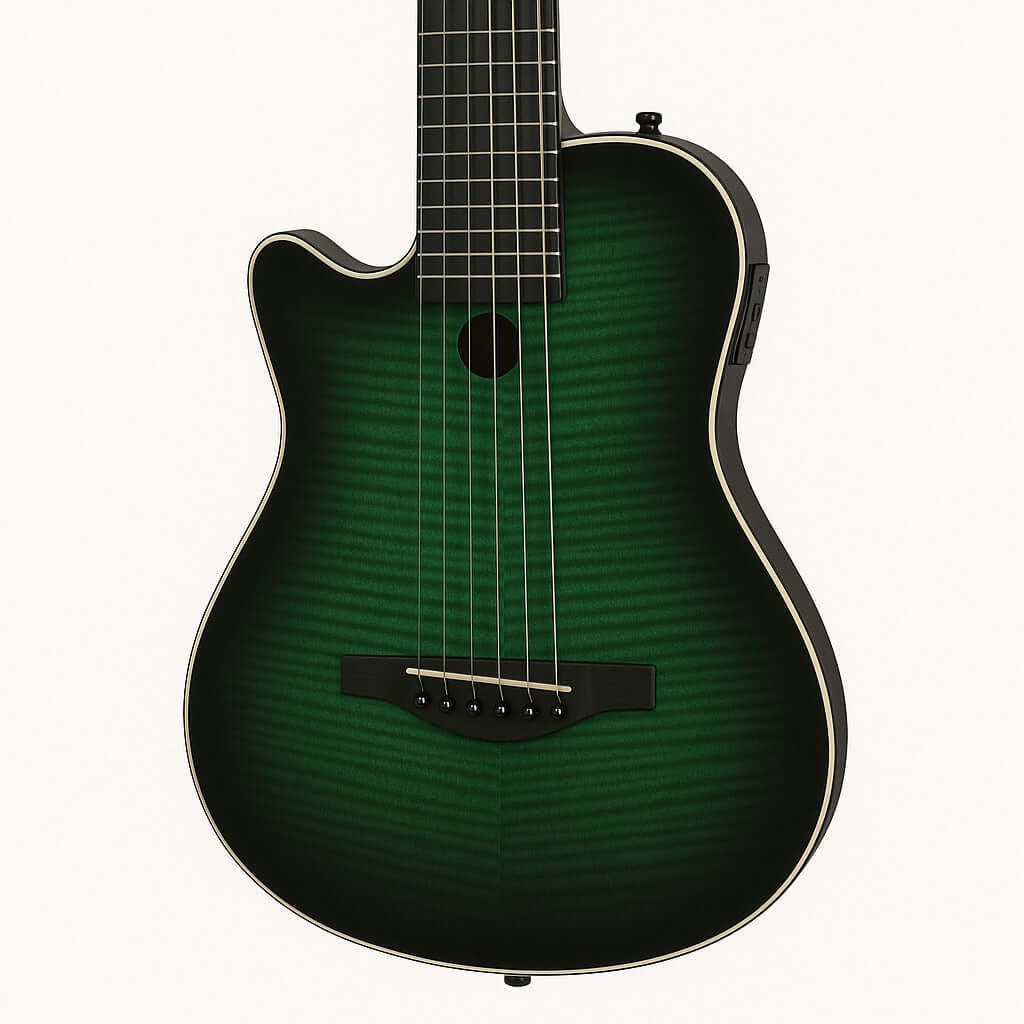
Mythic Phantom ES2 Electric Guitar – Chambered Semi Hollow Body – Flame Maple Top – USA Built
The Mythic Phantom ES2 Electric Guitar features a chambered semi-hollow body with a flame maple top, designed to provide a blend of acoustic richness and electric clarity. Its set-neck construction and premium tonal woods ensure a dynamic response suitable for a variety of playing styles, from rhythm to lead. With an onboard expression system for tone shaping, this guitar is well-suited for both acoustic and electric performances.
View Product