
A Deep Dive into the Crafting Process of Custom Guitars
· Wolf
Overview
Custom guitars allow musicians to express individuality through tailored design, sound, and playability. The crafting process involves careful design, wood selection, and precision construction, highlighted by innovations in technology. Handcrafted instruments offer superior quality and personal connection, making them a cherished choice for many players. Engaging with the custom guitar community enhances creativity and fosters connections, while future advancements promise exciting developments in guitar manufacturing.
Table of Contents
- The Importance of Custom Guitars
- Why Go Custom?
- Understanding the Design Process
- Conceptualization
- Wood Selection
- The Crafting Process
- Shaping the Body
- Neck Construction
- Finishing Touches
- Electronics Installation
- Setup and Playtesting
- White Label Guitar Manufacturing
- The Benefits of White Label Manufacturing
- The Community of Custom Guitars
- Building Connections
- Future Innovations in Guitar Crafting
- The Role of Technology
- The Resurgence of Handcrafted Instruments
- Why Handcrafted Matters
- The Thrill of Creating Your Own Sound
Key Takeaways
- Custom guitars offer personalized features: Musicians can tailor every aspect, from wood selection to hardware, enhancing their unique sound and playability.
- Design process is collaborative: Involves discussions between the luthier and the client to ensure the final product meets the player's specifications.
- Wood selection impacts tone: Different woods like mahogany, maple, and alder provide distinct tonal characteristics essential for sound quality.
- Attention to detail in crafting: The process includes shaping the body, neck construction, and careful electronics installation to ensure optimal performance.
- White label manufacturing expands reach: Companies can leverage expert craftsmanship to offer unique styles without revealing the manufacturer’s identity.
- Community engagement fosters creativity: Networking with other players and luthiers can inspire new innovations and techniques in guitar crafting.
- Handcrafted instruments offer longevity: Custom guitars often last longer due to superior craftsmanship, providing a personal connection that mass-produced models lack.
Guitar enthusiasts around the world cherish the instruments they play, and for many, a custom guitar is the ultimate dream. Crafting a custom guitar is not just about assembling parts; it’s an intricate process that combines artistry, craftsmanship, and cutting-edge technology. In this blog post, we will take you through the deep diving journey of crafting custom guitars, with a particular focus on the unique aspects of the Phantom ES2 Electric Guitar and the nuances of white label guitar manufacturing. Whether you're an aspiring luthier or a passionate player, this exploration will give you insight into what makes custom guitars special.
The Importance of Custom Guitars
Custom guitars allow musicians to express their individuality and preferences. Each element of a custom instrument can be tailored to the player's specifications, from the choice of wood to the type of pickups and hardware. A well-crafted custom guitar provides not just a beautiful instrument, but also a tool that enhances musical expression.
Why Go Custom?
- Unique Aesthetic: Each custom guitar can have a distinct look that represents the player’s style.
- Personalized Sound: Different wood types and configurations can dramatically impact the tonal characteristics of a guitar.
- Perfect Fit: Custom guitars allow for ergonomic considerations, ensuring comfort during play.
Understanding the Design Process
The journey of crafting a custom guitar begins long before the first cut is made. The design process is crucial, as it sets the foundation for what the finished instrument will be. This stage often involves conversations between the luthier and the client, allowing for a collaborative experience.
Conceptualization
The initial phase involves understanding the player's needs and desires. Players may have specific requirements in terms of sound, playability, and aesthetics. During this phase, sketches and digital models may be created to visualize the design.
Wood Selection
Choosing the right wood is perhaps one of the most critical aspects of guitar design. Common choices include:
- Mahogany: Known for its warm tone and excellent sustain.
- Maple: Offers bright, resonant qualities that some players prefer.
- alder: A lightweight wood known for its balanced tone, often used in electric guitars.
Players will often see notable alternatives, including premium options like figured woods, which not only enhance sound but also add visual appeal.
The Crafting Process
Once the design is finalized, the crafting process begins. This stage requires precision, patience, and an expert hand, particularly when creating custom instruments like the Phantom ES2 Electric Guitar, known for its sleek design and powerful sound.
Shaping the Body
The body of the guitar is typically cut from solid wood blocks. Important steps in this process include:
- Drying: Properly dried wood prevents warping and ensures stability.
- Routing: Carving out areas for pickups, bridges, and other hardware.
- Shaping: Sculpting the contours of the body, making it comfortable to hold and play.
Neck Construction
The neck is a vital component of the guitar, affecting playability and sound. During this phase, luthiers carefully shape the neck and fretboard. Ensuring the frets are installed correctly is essential for maintaining intonation and playability throughout the instrument.
Finishing Touches
Once the body and neck are crafted, it's time for the finishing touches. This stage involves sanding, painting, and applying finishes that enhance the visual appeal while protecting the wood. Glossy or matte finishes can significantly affect the look and feel of the instrument.
Electronics Installation
For electric guitars, including models like the Phantom ES2 Electric Guitar, the installation of electronics is crucial. Each piece—from pickups to wiring—needs careful attention to detail. This step is essential in ensuring that the guitar not only sounds great but is also reliable for performance.
Setup and Playtesting
After the guitar is fully assembled, it undergoes a comprehensive setup. This involves adjusting the truss rod, action height, and intonation to ensure optimal playability. Finally, the instrument is extensively playtested to confirm that it meets the luthier’s high standards.
White Label Guitar Manufacturing
In addition to crafting custom guitars, many companies engage in white label guitar manufacturing. This process involves producing instruments that can be branded with another company’s label. It emphasizes the craftsmanship and quality of the guitars while allowing for broader distribution without revealing the manufacturer’s identity.
The Benefits of White Label Manufacturing
- Increased Brand Reach: Brands can reach a larger audience by offering unique styles in collaboration with experienced manufacturers.
- Focus on Branding: Companies can concentrate on their brand identity and marketing without investing heavily in production.
- Expert Craftsmanship: Collaborations with established luthiers often lead to high-quality instruments that attract more customers.
The Community of Custom Guitars
The world of custom guitars is enriched by a vibrant community of players, luthiers, and enthusiasts. Forums, social media groups, and local music shops provide platforms for sharing experiences, showcasing new designs, and discussing techniques.
Building Connections
Engaging with the community allows aspiring guitarists and luthiers to learn from one another. Sharing resources and insights about crafting and playing can inspire new innovations and designs, fostering creativity in the musical landscape.
Future Innovations in Guitar Crafting
The craft of guitar making is continuously evolving, thanks in part to technological advancements. Digital fabrication methods, such as CNC routing and 3D printing, are beginning to influence traditional lutherie, allowing for increased accuracy and the creation of highly complex designs.
The Role of Technology
Advancements in technology play a significant role in both acoustic and electric guitar manufacturing. New materials and techniques open doors for innovative body designs and sound profiles that cater to modern players’ needs.
The Resurgence of Handcrafted Instruments
Despite the rise of mass production and technology, there remains a strong movement towards handcrafted instruments. Many players are increasingly opting for custom guitars, etching out personal connections with their instruments that mass-produced models can’t replicate.
Why Handcrafted Matters
- Attention to Detail: Handcrafted guitars often exhibit superior quality resulting from meticulous craftsmanship.
- Story and Connection: Custom instruments frequently carry tales of their makers, giving them distinctive personalities.
- Longevity: With proper care, handcrafted guitars often last longer than their mass-produced counterparts.
The Thrill of Creating Your Own Sound
The experience of custom guitar crafting is not just about the final product but also about the journey of bringing your vision to life. Whether you’re commissioning a custom instrument or participating in the design process, the thrill lies in creating a unique sound that embodies your musical identity. A custom guitar is not merely an object; it’s an extension of yourself, designed to inspire your musical moments.
Ultimately, whether you’re drawn to the artistry of the Phantom ES2 Electric Guitar or the model that aligns with your vision through white label guitar manufacturing, embracing the world of custom guitars can profoundly influence your musical journey. So, pick up that custom creation, strum a few chords, and let your unique sound echo throughout your musical adventures!
Frequently Asked Questions
1. What is the significance of custom guitars?
2. What are the main stages in the custom guitar design process?
3. Why is wood selection important in crafting custom guitars?
4. What is white label guitar manufacturing?
5. How is technology influencing guitar crafting?
Glossary
| Term | Meaning |
|---|---|
| Custom Guitar | A guitar tailored to a player's specifications for sound and aesthetics. |
| Luthier | A craftsman who builds and repairs stringed instruments. |
| Wood Selection | The process of choosing wood types that influence tone and appearance. |
| Neck Construction | Shaping the neck for playability and sound quality. |
| Finishing Touches | Final steps to enhance and protect the guitar's appearance. |
| Electronics Installation | Adding components that affect sound and performance in electric guitars. |
| White Label Manufacturing | Producing instruments for other brands without revealing the manufacturer. |
| Playtesting | Testing the guitar to ensure it meets performance standards. |
| CNC Routing | A digital fabrication method for precise cuts in guitar making. |
| Handcrafted Instruments | Guitars made by hand, emphasizing quality and personal connection. |
Linked Product
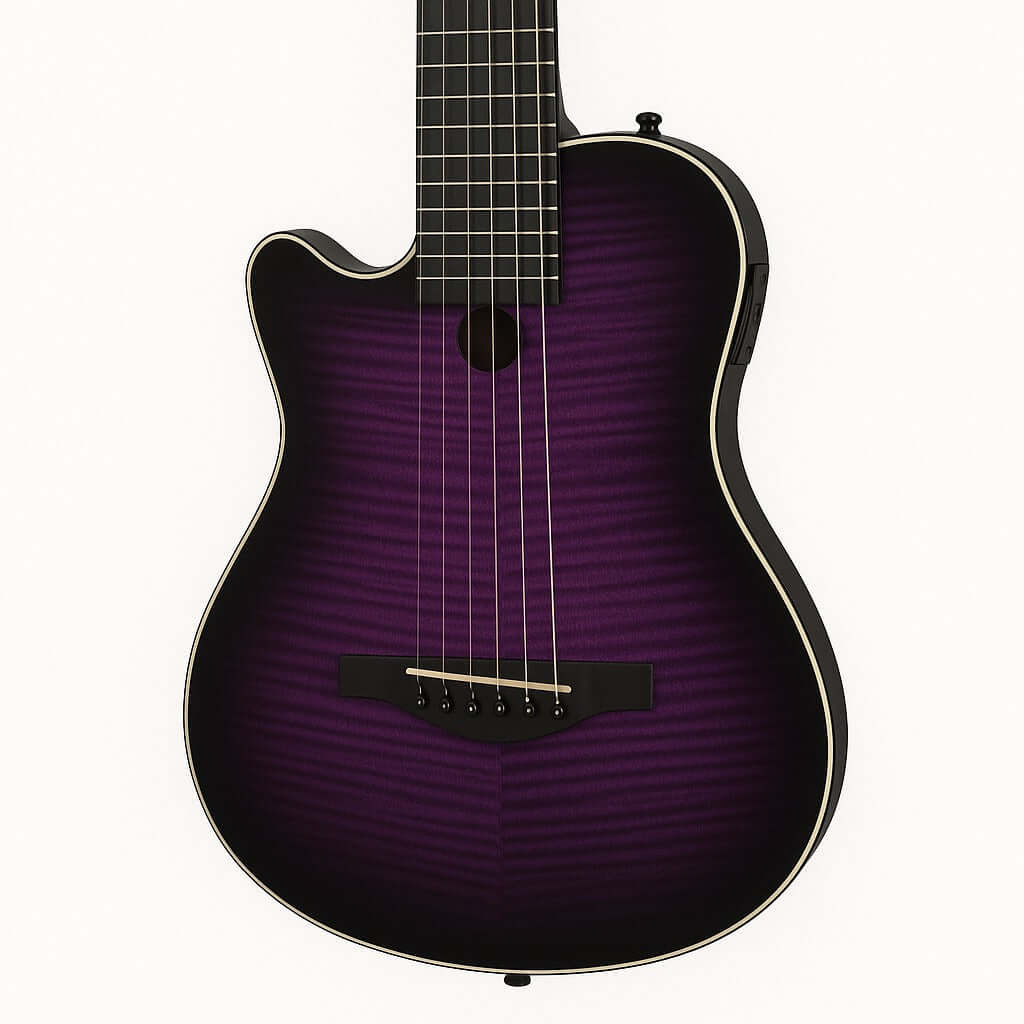
Mythic Phantom ES2 Electric Guitar – Chambered Semi Hollow Body – Flame Maple Top – USA Built
The Mythic Phantom ES2 Electric Guitar features a chambered semi-hollow body and a flame maple top, offering a unique blend of acoustic richness and electric clarity. Its versatile design makes it suitable for various playing styles, including rhythm, lead, and ambient music. With a professional-grade expression system for tone shaping, this USA-built guitar delivers a dynamic and responsive playing experience.
View Product