
OEM Manufacturing in the Custom Guitar World Explained
· Wolf

Overview
This guide explores OEM manufacturing in custom electric guitars, focusing on the benefits of quality, customization, and collaboration with skilled manufacturers. It highlights the rise of USA-made guitars, particularly from Austin, Texas, emphasizing craftsmanship, local support, and sustainability. Key considerations for purchasing include material quality, brand reputation, and customization options, while the future of OEM manufacturing looks toward increased personalization and eco-friendly practices.
Table of Contents
- What is OEM Manufacturing?
- The Role of OEM Manufacturing in Custom Guitars
- Access to Expertise
- Customization Opportunities
- Quality Control
- Shopping for Custom Guitars: What to Look For
- Spotlight on USA Made Electric Guitars
- Supporting Local Economies
- Craftsmanship and Attention to Detail
- Proximity to Music Culture
- Austin Texas Guitar Factory: A Hub for Innovation
- Diverse Musical Influences
- Collaboration with Artists
- The Ins and Outs of Customization
- Building Sustainability within OEM Manufacturing
- Eco-Friendly Materials
- Reduced Waste Production
- Why Choose Custom Over Mass-Produced Guitars?
- Case Studies of Successful OEM Collaborations
- Collaborating with Local Artists
- Combining Traditional Techniques with Modern Technology
- How OEM and Brands Collaborate
- Design and Prototyping
- Manufacturing
- Quality Assurance
- Benefits of Buying OEM Guitars
- Challenges Faced by OEM Manufacturers
- Market Saturation
- Quality Variability
- Choosing the Right OEM Partner
- The Ripple Effect of OEM Manufacturing on Guitar Culture
- Accessibility for Musicians
- Community Engagement
- The Role of OEMs in the Guitar Industry
- Impact on the Market
- Increased Competition
- Diversity of Options
- Understanding the Mythic Phantom ES2 Electric Guitar
- Features That Highlight OEM Excellence
- Navigating Your Guitar Purchase
- The Benefits of OEM Manufacturing in the Guitar Industry
- Ghost Building Guitars for Brands
- Consumer Awareness and Brand Trust
- Quality vs. Branding
- Advantages of OEM Partnerships for Guitar Brands
- Focus on Core Competencies
- Rapid Prototyping and Innovation
- The Importance of Customization in Guitar Manufacturing
- Creating Unique Offerings
- Enhanced Customer Experience
- How OEM Manufacturing Influences Guitar Sound
- Material Choices
- Precision Engineering
- Striking the Right Balance: OEM and In-House Manufacturing
- Benefits of In-House Production
- OEM Partnerships as a Strategic Advantage
- Navigating the OEM Landscape: Tips for Success
- What Custom Guitar Builders Should Know About OEM Options
- Exploring Different OEM Manufacturing Types
- Why OEM Manufacturing Matters for Guitar Players
- The Benefits of Choosing OEM Guitar Builders in the USA
- Proximity and Accessibility
- Support for Local Economy
- Customization Options
- Finding the Right OEM Guitar Builder in the USA
- The Role of Alnico V Pickups in OEM Manufacturing
- How OEM Manufacturers Create Alnico V Pickups
- Building Relationships with OEM Manufacturers
- The Impact of OEM Manufacturing on the Guitar Community
- Adapting to Trends and Technologies
- Understanding the Market Dynamics
- Consumer Trends in Guitar Purchases
- Ghost Guitar Manufacturing Explained
- How OEM Manufacturing Affects Guitar Prices
- Lower Production Costs
- Wider Range of Products
- The Importance of Quality Control in OEM Manufacturing
- The Future of OEM Manufacturing in Guitars
- Mythic Valkyrie Electric Guitar – Modern Super Strat – Dual Humbucker – USA Made
Key Takeaways
- OEM Manufacturing Defined: OEM stands for Original Equipment Manufacturer, allowing brands to produce high-quality guitars without owning full production facilities.
- Customization Benefits: OEM manufacturing enables extensive customization options, allowing players to tailor guitars to their preferences in materials and design.
- Quality Assurance: Stringent quality control measures are often implemented by OEM manufacturers, ensuring high standards for each instrument produced.
- Support Local Economies: Purchasing USA made electric guitars supports local economies and job creation, particularly in music-rich areas like Austin, Texas.
- Innovative Collaboration: Austin guitar factories often collaborate with local musicians, creating instruments that meet specific stylistic needs and preferences.
- Sustainability Practices: Many OEM manufacturers are adopting eco-friendly practices, including sustainable sourcing of materials and waste reduction techniques.
- Investment Value: Custom guitars typically hold their value better than mass-produced options due to their unique characteristics and craftsmanship.
When it comes to crafting the perfect electric guitar, many enthusiasts find themselves delving deep into the intricate world of OEM manufacturing. This process not only enhances the quality of musical instruments but also opens the door for customization and unique design. In this comprehensive guide, we’ll explore what OEM manufacturing means in the realm of custom guitars, with a specific focus on the USA made electric guitar sector, and spotlight places like the Austin Texas guitar factory.
What is OEM Manufacturing?
OEM stands for Original Equipment Manufacturer. In the guitar industry, an OEM is a company that designs and manufactures guitars or guitar parts, which other brands then sell under their own labels. This type of manufacturing facilitates the production of high-quality instruments without every brand needing to own a full production facility. Understanding OEM manufacturing is crucial for anyone looking to customize or purchase a high-end guitar.
The Role of OEM Manufacturing in Custom Guitars
Custom guitars offer players personalized options, enhancing their playing experience. OEM manufacturing plays a significant role in this by allowing different brands to collaborate with skilled manufacturers to create unique products. Here’s how OEM impacts the custom guitar landscape:
Access to Expertise
Many guitar brands partner with established manufacturers that specialize in specific features or types of guitars. For instance, an OEM factory may have decades of experience crafting electric guitars, ensuring that the instruments produced are of the highest quality.
Customization Opportunities
With OEM manufacturing, brands can offer a variety of custom options, from type of wood used in the body to the style of the neck. This means that players can find USA made electric guitars tailored to their precise specifications, providing an avenue for expression through their music.
Quality Control
OEM manufacturers often implement stringent quality control measures, ensuring that every instrument meets the necessary standards before shipping. This level of oversight contributes to the reputation of the brands that partner with these manufacturers.
Shopping for Custom Guitars: What to Look For
When browsing for a custom guitar, it's essential to know what features and factors to consider. Here are some key components:
- Material Quality: Look for guitars made from high-quality woods and components. This impacts both sound and longevity.
- Brand Reputation: Research brands that utilize reliable OEM manufacturers to ensure you're getting a well-crafted instrument.
- Customization Options: Consider the flexibility of customization. Different brands offer varying levels of personalization.
- Sound Characteristics: Understand the tonal qualities that different materials and designs bring to a guitar.
Spotlight on USA Made Electric Guitars
The market for USA made electric guitars has been on the rise, thanks to a demand for quality craftsmanship and locally crafted products. Here’s why buying locally manufactured guitars is beneficial:
Supporting Local Economies
Purchasing from USA made electric guitar brands not only supports the local economy but also encourages job creation within the community. Factories, such as those found in the vibrant city of Austin, Texas, contribute to a thriving music culture.
Craftsmanship and Attention to Detail
Guitars crafted in the USA are often noted for their meticulous attention to detail. The teams at these factories are not just manufacturers; they are passionate musicians who understand what stands out in a quality instrument.
Proximity to Music Culture
Being close to rich musical heritage, especially in a hub like Austin, allows guitar manufacturers to stay on the cutting edge of trends and innovations in the music industry.
Austin Texas Guitar Factory: A Hub for Innovation
The Austin Texas guitar factory is a prominent player in the custom guitar scene. With its deep roots in music, it serves as a breeding ground for innovation and creativity.
Diverse Musical Influences
Austin is known for its eclectic music scene, with influences spanning from country to blues and rock. This diversity translates into the type of guitars produced at local factories, enabling unique design and functionality tailored for every genre.
Collaboration with Artists
Many guitar makers work closely with local musicians to develop instruments that meet the needs of specific styles. This collaboration ensures that each guitar not only looks fantastic but also plays beautifully, resonating with the sounds that players seek.
The Ins and Outs of Customization
Customization is one of the most significant advantages of working with OEM manufacturers. Here's how guitar enthusiasts can take advantage of customization:
- Choosing Woods: The type of wood used in crafting a guitar largely affects its overall sound and aesthetic. Players can often select from various woods like mahogany, maple, and ash.
- Electronics: Custom pickups and electronics can greatly enhance the guitar's performance, allowing for a unique tonal quality.
- Color and Finish: Many brands offer the option to select custom colors or finishes, helping to express personal style.
Building Sustainability within OEM Manufacturing
As awareness around sustainability grows, many OEM manufacturers are adapting their practices. Sustainable sourcing and environmentally-friendly processes are becoming integral to guitar production. Here’s how:
Eco-Friendly Materials
Many manufacturers are now sourcing wood from sustainable forests, ensuring that their production doesn't negatively impact the environment. Guitars made from reclaimed wood are also gaining popularity among eco-conscious musicians.
Reduced Waste Production
Modern manufacturing techniques allow for more efficient use of materials, resulting in less waste. Additionally, some factories are adopting recycling programs to minimize their environmental footprint.
Why Choose Custom Over Mass-Produced Guitars?
Opting for a custom guitar manufactured through an OEM process can offer several advantages over standard factory-made options, including:
- Individuality: Custom guitars are made to suit the player's unique preferences, resulting in a one-of-a-kind instrument.
- Enhanced Comfort: Players can specify ergonomic features that make the guitar more comfortable to play, which is particularly important for long practice sessions.
- Investment Value: Custom guitars often hold their value better than mass-produced options due to their unique characteristics and craftsmanship.
Case Studies of Successful OEM Collaborations
There are numerous examples of successful collaborations in the OEM manufacturing of guitars. These case studies highlight the outcomes that can be achieved when brands tap into the expertise of specialized manufacturers:
Collaborating with Local Artists
In many instances, local artists partner with manufacturers to create limited edition models that reflect their sound and aesthetic. This adds authenticity to the product and often generates a loyal following among fans.
Combining Traditional Techniques with Modern Technology
OEM manufacturers are increasingly blending traditional handcrafting techniques with modern technology, leading to exceptional quality and unique designs. This hybrid approach allows for the creation of guitars that honor legacy while also embracing innovation.
How OEM and Brands Collaborate
The collaboration between brands and OEM manufacturers is often a symbiotic relationship. Brands provide the vision and brand identity, while OEM manufacturers supply the expertise and resources for production. Here's how the collaboration typically unfolds:
Design and Prototyping
When a brand decides to launch a new model, the first step is designing the guitar. This process involves creating detailed drawings, material selection, and picking features that differentiate the model from competitors. For instance, the design team for a model like the Mythic Phantom ES2 may carefully consider sound, playability, and aesthetic appeal to cater to its target audience.
Manufacturing
Once the design is finalized, the production phase starts. This is where the OEM manufacturer comes in, leveraging their tools, machinery, and skilled labor to bring the concept to life. The collaboration during this stage is vital to ensure that the product aligns closely with the initial design specifications.
Quality Assurance
After manufacturing, quality assurance is imperative. Most reputable OEM manufacturers follow specific quality protocols to guarantee that each guitar meets the expected standards. This phase might include rigorous testing of sound quality, build integrity, and aesthetic details. A well-crafted guitar model, such as the Mythic Phantom ES2, showcases the importance of these quality checks, as players can immediately recognize the superior craftsmanship upon first play.
Benefits of Buying OEM Guitars
For consumers, there are several compelling reasons to choose guitars produced by OEM manufacturers:
- Affordability: Guitars produced by a boutique OEM guitar manufacturer often provide superior quality at a more affordable price point. Since production costs are lower, brands can pass these savings onto consumers without sacrificing quality.
- Diversity: OEM guitar manufacturers cater to various market niches, allowing players to find instruments that are tailored to their specific needs, tastes, and genres. Whether looking for a jazz-friendly semi-hollow body or a hard rock powerhouse, there's an OEM guitar model available.
- Innovation: The collaboration between brands and OEM manufacturers often leads to innovative features and designs that push the boundaries of traditional guitar craftsmanship. Creative input from both parties results in unique offerings that can enhance a player's musical journey.
Challenges Faced by OEM Manufacturers
While there are many advantages to OEM manufacturing, the industry faces challenges that can impact both manufacturers and brands:
Market Saturation
The rise in popularity of OEM manufacturing has led to an influx of brands entering the market. This saturation can make it difficult for individual brands to differentiate themselves, leading to an oversupply of similar products.
Quality Variability
Not all OEM manufacturers adhere to the same standards. Brands must choose their partners carefully to avoid quality mishaps that can damage their reputation. A consistent quality level is vital for success, particularly for boutique manufacturers specializing in high-end instruments like the Mythic Phantom ES2.
Choosing the Right OEM Partner
The relationship between a brand and its OEM manufacturer is integral to the success of any guitar model. When selecting a manufacturing partner, brands should consider several factors:
- Expertise: It's important to partner with manufacturers that have a proven track record in guitar production. Their expertise will ensure high-quality craftsmanship that aligns with the brand's vision.
- Flexibility: A good OEM manufacturer should be adaptable to the brand's needs, whether it's a new design concept or a specific production timeline.
- Communication: Open communication is essential for a successful collaboration. The ability to discuss designs and quality expectations directly can lead to better end products.
The Ripple Effect of OEM Manufacturing on Guitar Culture
OEM manufacturing not only impacts the production of guitars but also influences the broader guitar culture:
Accessibility for Musicians
With a variety of affordable, high-quality guitars on the market, musicians at all levels can access quality instruments that suit their playing style. This increased accessibility fosters a vibrant community of players who can explore and express their musical creativity without breaking the bank.
Community Engagement
Collaborations between boutique brands and OEM manufacturers often result in limited edition models that connect with local music scenes. These partnerships can boost engagement within the community, inspiring players to connect, share, and create.
The Role of OEMs in the Guitar Industry
OEM manufacturers in the guitar industry are crucial for several reasons:
- Cost Efficiency: Companies can save on production costs by outsourcing parts or instruments to specialized OEM manufacturers.
- Focus on Branding: Established brands can focus on marketing and branding, while the OEM handles the complexities of manufacturing.
- Quality Control: Many OEMs specialize in specific types of instruments, often leading to higher quality and better craftsmanship.
In essence, OEM manufacturing helps streamline the production process for various guitar brands by utilizing the expertise of specialized manufacturers. Understanding the dynamics involved can significantly enhance your appreciation for the craftsmanship of guitars today.
Impact on the Market
The use of OEM manufacturing has significantly reshaped the guitar market, allowing smaller brands to enter the space. Here are some key impacts:
Increased Competition
With OEM manufacturing enabling various brands to create compelling products, the market has seen an influx of competitors. This competition drives innovation and better offerings for consumers.
Diversity of Options
Thanks to OEMs, consumers have access to a broader range of guitars, from entry-level models to high-end instruments. It’s now easier for players to find the perfect fit for their style, as brands can experiment with different models and designs.
Understanding the Mythic Phantom ES2 Electric Guitar
To illustrate the concepts of OEM manufacturing effectively, let's take a closer look at the Mythic Phantom ES2 Electric Guitar. This model is a brilliant example of how design, materials, and manufacturing processes come together to create a remarkable instrument. The Phantom ES2 boasts a chambered semi-hollow body that offers a unique blend of acoustic richness and electric articulation.
Features That Highlight OEM Excellence
The Mythic Phantom ES2 is constructed with various premium tonal woods that provide balanced sound and warm resonance. The guitar's design features an elegant flame maple top, contributing both to the aesthetics and the tonal quality. More than just a beautiful instrument, it also offers controlled feedback under amplification, making it ideal for rhythm and lead playing alike.
Moreover, the guitar is equipped with a professional-grade expression system that allows musicians to shape their tones, enhancing the versatility of this already multi-faceted instrument. This is a classic example of combining traditional craftsmanship with modern technology—something that reputable OEM manufacturers excel at.
Navigating Your Guitar Purchase
With the insights gathered on OEM manufacturing, here are some tips for navigating your guitar purchase, whether you are considering the Mythic Phantom ES2 Electric Guitar or exploring other options:
- Research Brands: Understand the reputations of brands and their OEM partners. Look for those that are known for quality products.
- Play Before You Buy: Always try out a guitar when possible. This allows you to get a feel for the instrument and assess its playability.
- Know Your Preferences: Be clear about your playing style and what you need from your guitar. Whether it's a custom neck, body shape, or tonal characteristics, knowing what you want will guide your purchasing decision.
The Benefits of OEM Manufacturing in the Guitar Industry
Understanding the benefits of OEM manufacturing can be advantageous for both companies and consumers. Here are several key advantages:
- Cost-Effectiveness: By outsourcing production, brands can significantly reduce costs associated with labor and materials.
- Expertise and Efficiency: Many OEM suppliers specialize in specific manufacturing processes, ensuring high-quality production.
- Faster Time to Market: Collaborating with an OEM allows brands to expedite the process of bringing new models to market.
- Focus on Core Competencies: Companies can concentrate on their strengths—design and branding—while leaving production to the experts.
Ghost Building Guitars for Brands
A term frequently associated with OEM manufacturing in the guitar world is "ghost building guitars for brands." This process signifies that a manufacturer may produce instruments that are sold under various brands, often without acknowledgment of the original manufacturer. This practice allows smaller brands to offer products that are manufactured by established companies that may have better resources and technology.
Ghost building can also lead to instruments that have varying qualities based on the manufacturer's capabilities. Aspiring brands can leverage this by producing guitars that are tailored to different markets while still maintaining a level of quality that appeals to consumers.
Consumer Awareness and Brand Trust
For consumers, understanding the intricacies of OEM manufacturing helps establish trust in the brands they choose. For example, when purchasing a Semi Hollow Electric Guitar, knowing that it is made by reputable manufacturers can enhance the value of the purchase. Moreover, awareness of ghost building practices might influence customer decisions as they look for transparency and authenticity in their instruments.
Quality vs. Branding
The quality of manufacturing can serve as a distinguishing factor for many consumers. Fans of guitars might often find themselves asking whether they should prioritize the brand associated with a guitar or the manufacturing process behind it. This decision can impact their overall satisfaction and perception of value.
Advantages of OEM Partnerships for Guitar Brands
The relationship between a guitar brand and an OEM manufacturer can yield numerous advantages that impact everything from product variety to customer satisfaction.
Focus on Core Competencies
Outsourcing manufacturing enables guitar brands to concentrate on their core competencies. With an OEM partner handling the manufacturing process, brands can devote more time and energy to research, design, marketing strategies, and customer engagement. This focus allows them to create unique products that resonate with their audience.
Rapid Prototyping and Innovation
OEM partnerships can accelerate the process of prototyping and product innovation. Brands can quickly develop new models by collaborating with OEM manufacturers, who utilize cutting-edge technologies for precision craftsmanship. This speed is essential in a competitive market, allowing brands to stay ahead of trends and introduce the latest guitar models that capture the attention of musicians.
The Importance of Customization in Guitar Manufacturing
In recent years, there has been a growing trend toward customization in the guitar industry. Musicians are increasingly seeking personalized instruments that reflect their unique styles and preferences. This demand for customization directly influences how OEM manufacturers operate.
Creating Unique Offerings
OEM manufacturers can support guitar brands in the creation of unique offerings, allowing for personalized options such as varying materials, finishes, and design features. For those looking for a custom guitar neck and body builder, these manufacturers enable brands to offer tailored instruments that meet individual musicians' specifications.
Enhanced Customer Experience
Customization enhances the overall customer experience. When musicians find guitars that match their unique sound preferences and stylistic requirements, they are more likely to feel connected to their instrument. This emotional connection can lead to loyalty and advocacy, benefitting both the brand and the OEM manufacturer.
How OEM Manufacturing Influences Guitar Sound
The quality and components of a guitar have a significant impact on its sound. Understanding how OEM manufacturing influences guitar tone can help musicians choose their instruments wisely.
Material Choices
OEM manufacturers offer a variety of materials for guitar production, from wood types to hardware and electronics. Each material impacts the guitar's resonance and sound, playing a crucial role in achieving tones associated with different genres, including that of the country blues guitar tone. By selecting high-quality materials, brands can ensure that their guitars produce the desired tonal characteristics, delivering performance that meets musicians' expectations.
Precision Engineering
OEM manufacturers employ complex engineering techniques to ensure that components fit together perfectly. This precision is vital for maintaining sound integrity. Any imbalance or misalignment can lead to issues in sound. Therefore, the quality control standards put in place by OEM manufacturers can significantly influence the final product and its sound quality.
Striking the Right Balance: OEM and In-House Manufacturing
Many guitar brands face the question of whether to rely solely on OEM manufacturing or strike a balance with in-house production. Each approach has its merits, and finding the right mix can enhance a brand's overall offering.
Benefits of In-House Production
In-house production allows brands to maintain complete control over the manufacturing process, which can be vital for quality and branding. However, the initial investment and operational costs can be higher. Some brands choose to keep specific elements, like finishing and assembly, in-house to safeguard quality while leveraging OEM partners for parts manufacturing.
OEM Partnerships as a Strategic Advantage
For many brands, establishing strong OEM partnerships can effectively enhance their offerings while minimizing costs. As the demands of musicians evolve, brands need to be agile and capable of responding quickly to market changes. OEM partnerships enable such agility, allowing for the quick introduction of new models without the burden of large-scale production setups.
Navigating the OEM Landscape: Tips for Success
For builders looking to successfully navigate the world of OEM manufacturing, consider the following tips:
- Choose the Right Partner: Not all OEMs are created equal. Select a manufacturer with a proven track record and expertise in guitar production.
- Define Your Specifications Clearly: Ensure that your design specifications are comprehensive and clear to avoid miscommunication during the production process.
- Visit the Facility: If possible, visiting the OEM factory can provide invaluable insights into their production capabilities and quality control practices.
- Build a Relationship: Foster a strong working relationship with your OEM partner. Open, ongoing communication can help address issues promptly and strengthen collaboration.
What Custom Guitar Builders Should Know About OEM Options
Understanding the various OEM options available is essential for any custom guitar builder. Whether you are creating an S-Type guitar body or exploring new designs, having a grasp on OEM processes can enhance both your product offerings and your brand’s reputation.
Exploring Different OEM Manufacturing Types
There are various types of OEM options to consider in custom guitar production:
- Full-Service OEM: These manufacturers manage the entire production process, from materials and design to final assembly and shipping.
- Component OEM: This type focuses on producing specific components, such as guitar bodies, necks, or hardware. Builders can then assemble these components in-house for a more hands-on approach.
- Design Collaborators: Some OEMs specialize in collaborating on designs, offering tailored solutions to help builders refine their concepts before moving to production.
Why OEM Manufacturing Matters for Guitar Players
Understanding OEM practices is essential for musicians and guitar enthusiasts for several reasons:
- Quality Assurance: Many reputable OEM guitar builders in the USA focus on maintaining strict quality control, often matching or even surpassing the standards of bespoke instrument manufacturers.
- Cost-Effectiveness: Due to economies of scale, OEM manufacturing often allows brands to offer high-quality guitars at more accessible prices, enabling more musicians to own quality instruments.
- Access to Innovation: OEM builders often invest in the latest technology and research, providing cutting-edge features and design options to the brands that contract them.
The Benefits of Choosing OEM Guitar Builders in the USA
When it comes to selecting an OEM guitar builder in the USA, there are distinct advantages:
Proximity and Accessibility
Building relationships with local OEM manufacturers fosters communication, feedback, and collaboration. This proximity allows brands to easily monitor production processes and make necessary adjustments, ensuring that the end product aligns with their vision.
Support for Local Economy
Partnering with OEM guitar builders in the USA also supports the local economy, helping create jobs and foster craftsmanship. Consumers show an increasing interest in products made in their own country, valuing quality and authenticity.
Customization Options
Local manufacturers often have more flexibility when it comes to customization and special requests. Brands can work very closely with builders to cater to specific trends and market demands.
Finding the Right OEM Guitar Builder in the USA
Choosing the right OEM guitar builder is crucial for any brand looking to create quality instruments. Here are some tips to help you make the right choice:
- Research Their Reputation: Look for reviews, testimonials, and case studies from other brands that have worked with them.
- Visit Their Facilities: If possible, visit the manufacturing facilities to assess production capabilities and quality control measures.
- Assess Their Expertise: Evaluate their experience with different styles of guitars and their ability to meet specific design requirements.
- Evaluate Communication: Ensure the OEM partner maintains open lines of communication, as effective collaboration contributes to success.
The Role of Alnico V Pickups in OEM Manufacturing
One of the key components that many boutique guitar manufacturers focus on is the pickups. These vital elements of any guitar determine its sound quality and performance. Alnico V pickups are renowned for their rich tonal qualities, making them a popular choice among players seeking that vintage sound.
When a boutique guitar manufacturer decides to utilize OEM services, they often have specific requirements for these pickups. This ensures that they maintain a level of quality that matches their brand ethos while still taking advantage of the technical prowess of the OEM manufacturer.
How OEM Manufacturers Create Alnico V Pickups
OEM manufacturers take several steps to create high-quality Alnico V pickups. Here’s a glimpse into the process:
- Material Selection: The first step is choosing the right Alnico alloy, which is critical to producing the desired tonal characteristics.
- Magnet Shaping: After acquiring the alloy, the OEM manufacturer expertly shapes the magnets to fit specific design requirements.
- Winding Coils: Next, the coils are meticulously wound to ensure consistent resistance and output, a critical factor in achieving the perfect sound.
- Testing: Finally, each pickup undergoes rigorous quality control testing to guarantee that they meet the performance standards expected by boutique manufacturers.
Building Relationships with OEM Manufacturers
For boutique guitar manufacturers, establishing a solid relationship with an OEM is paramount. Here are some tips to build a successful partnership:
- Research: Invest time in researching potential OEM manufacturers. Look for reviews and testimonials to assess their reliability.
- Visit Facilities: If possible, visit the OEM facilities. Observing their operations can provide insights into their manufacturing capabilities.
- Open Communication: Set clear expectations and maintain open channels of communication throughout the production process.
The Impact of OEM Manufacturing on the Guitar Community
OEM manufacturing has profoundly influenced the guitar community, allowing musicians to access high-quality instruments at various price points. This democratization of music has fostered diverse styles and introduced innovative designs that challenge traditional norms.
Moreover, the collaboration between OEM manufacturers and boutique brands has led to the recent surge in unique guitar features. From custom shapes to specialty pickups like Alnico V models, the innovations arising from these partnerships continue to excite guitar players worldwide.
Adapting to Trends and Technologies
The landscape of guitar manufacturing is constantly evolving, influenced by new technologies and musical trends. OEM manufacturers are uniquely positioned to adapt to these changes due to the flexibility that comes with their specialized expertise. Here’s how they respond:
- Incorporating New Materials: The use of carbon fiber, advanced polymers, and other innovative materials is becoming more prevalent. OEM manufacturers can experiment with these materials to enhance instrument performance.
- Responsive Production: With a solid operational structure and resources, OEMs can quickly pivot to produce new designs or features that align with market trends.
- Collaboration with Artists: Many OEM manufacturers work directly with guitars artists to create signature models, deriving unique features that resonate with musically influential players.
Understanding the Market Dynamics
The guitar industry thrives on a mix of tradition and modernity, with OEM manufacturing at the forefront of this dynamic. Understanding the market implications of OEM relationships is crucial for boutique guitar manufacturers aiming for long-term success.
Many consumers today are looking for authenticity and brand stories. This places additional responsibility on boutique guitar manufacturers to ensure that their OEM relationships align with their core values, reflecting their commitment to quality and craftsmanship.
Consumer Trends in Guitar Purchases
As consumer preferences evolve, boutique guitar manufacturers must stay attuned to the specific demands of customers. Trends show that players want more than just a guitar—they seek instruments that tell a story. This often means looking into the origins and manufacturing methods of their favorite brands.
Offering transparency about their use of OEM manufacturers can enhance a brand’s image and connection with consumers. Highlights can include:
- Sharing details about where and how instruments are made.
- Discussing the benefits of using premium components, such as Alnico V pickups, and their impact on sound.
- Engaging stories about collaborations with OEM partners, emphasizing craftsmanship and quality.
Ghost Guitar Manufacturing Explained
One intriguing aspect of OEM manufacturing in the guitar industry is the concept of ghost guitar manufacturing. This term refers to the practice where a guitar brand may commission another manufacturer to create instruments that are not labeled as originating from that manufacturer. For example, a well-known guitar brand may have a series of guitars made by an OEM, but these guitars will carry the branding of the original company and not the manufacturer.
Here are some key points to understand about ghost guitar manufacturing:
- Anonymous Production: The OEM manufacturer remains anonymous, allowing the original brand to maintain a unique identity.
- Consistent Quality: Many brands choose reliable manufacturing partners for ghost guitar manufacturing to ensure that the quality is consistent across their product line.
- Enhanced Accessibility: With ghost guitar manufacturing, fans of premium brands can access high-quality instruments that may otherwise be out of reach.
How OEM Manufacturing Affects Guitar Prices
One of the most significant impacts of OEM manufacturing is on the pricing structure of guitars. By outsourcing production to skilled manufacturers, brands can offer a range of price points, attracting beginner and professional musicians alike. Here's how OEM manufacturing influences the pricing:
Lower Production Costs
OEM manufacturers often operate in regions with lower labor costs. This reduction in manufacturing expenses allows brands to sell instruments at a more competitive rate, making quality guitars more accessible.
Wider Range of Products
With OEM manufacturing, brands can create a diverse lineup of products. This variety includes everything from entry-level models to high-end instruments, catering to different segments of the guitar market.
The Importance of Quality Control in OEM Manufacturing
While the cost benefits of OEM manufacturing are evident, quality control is a crucial factor that cannot be overlooked. Guitar brands must thoroughly vet their OEM partners to ensure they adhere to strict quality standards. Here are some essential elements of quality control:
- Inspection Processes: Many reputable manufacturers follow detailed inspection processes, scrutinizing each instrument for defects.
- Samples: Brands typically require sample versions of new models prior to mass production to evaluate and ensure they meet design specifications.
- Feedback Loops: Continuous feedback from musicians and quality assessments can help manufacturers make necessary adjustments to improve the quality of their guitars.
The Future of OEM Manufacturing in Guitars
As the music industry evolves, so too will the landscape of OEM manufacturing. Key trends to keep an eye on include:
- Increased Customization Options: Technology is advancing, giving players even more control over their guitar specifications.
- Emphasis on Sustainability: Eco-friendly practices will likely continue to be a focus as consumers demand greater accountability from brands.
- Global Collaborations: We may see more brands teaming up with international manufacturers to blend various techniques and styles.
Exploring the world of OEM manufacturing in custom guitars opens up a wealth of opportunities for both brands and musicians alike. By understanding the intricacies of this process, players can make informed decisions when choosing their instruments. So the next time you feel the urge to strum a chord, remember that the experience you cherish could be deeply rooted in the art of custom manufacturing, nurturing the sound of tomorrow's music.
Glossary
| Term | Meaning |
|---|---|
| OEM | Original Equipment Manufacturer; a company that produces parts for other brands. |
| Customization | The process of tailoring a product to meet specific preferences. |
| Quality Control | Measures taken to ensure products meet certain standards before shipping. |
| Material Quality | The standard of materials used, impacting durability and sound. |
| Brand Reputation | The public perception of a brand's reliability and quality. |
| Sound Characteristics | The tonal qualities produced by different materials and designs. |
| Sustainable Sourcing | Obtaining materials in a way that does not harm the environment. |
| Ergonomic Features | Design elements that enhance comfort during use. |
| Collaboration | Working together with artists or brands to create unique products. |
| Reclaimed Wood | Wood repurposed from old structures, promoting sustainability. |
Linked Product
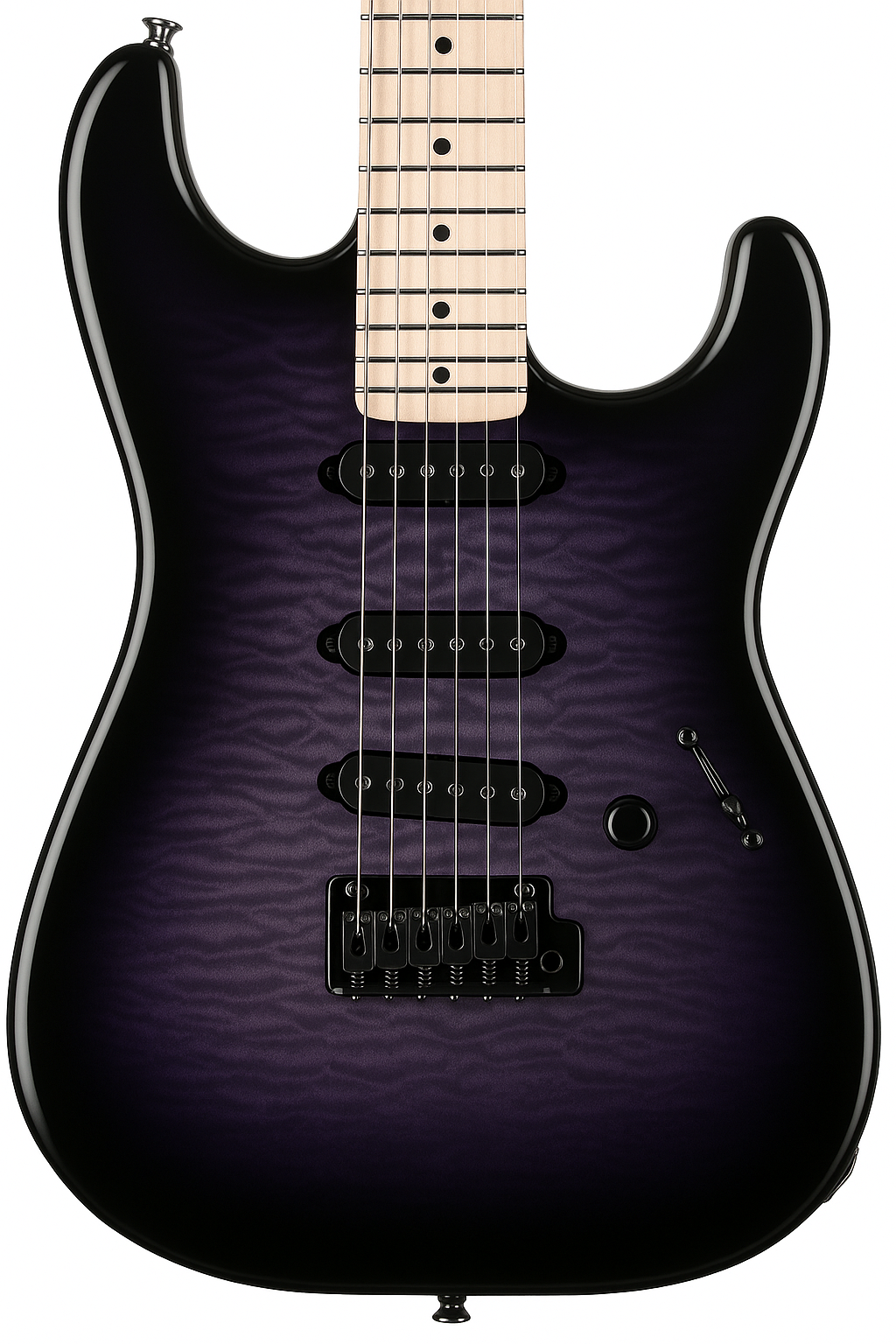
Mythic Valkyrie Electric Guitar – Modern Super Strat – Dual Humbucker – USA Made
The Mythic Valkyrie Electric Guitar is designed for players seeking speed, precision, and tonal versatility in a high-performance Super Strat. Its dual humbucker setup, combined with a custom 10-position selector and dual push/pull controls, offers a wide range of sonic options suited for various music styles. Built in the USA with premium materials, the guitar features a resonant alder body and fast-playing neck, ensuring both playability and sustain.
View ProductRather have it done for you? Mythic Guitar Company handles white-label and OEM guitar manufacturing in the Austin shop, with pricing published up front.