
Eco-Friendly Guitar Crafting: A Greener Future
· Wolf
Overview
This article explores the intersection of sustainability and guitar manufacturing, highlighting how boutique guitar makers, like Mythic Guitars, are adopting eco-friendly practices. Readers will learn about the importance of responsible sourcing, energy efficiency, and waste reduction in creating high-quality instruments while minimizing environmental impact. The piece emphasizes the role of consumers in advocating for sustainable choices in the music industry, encouraging a collective movement towards greener practices.
Table of Contents
- The Importance of Sustainability in Guitar Manufacturing
- Why Choose Eco-Friendly Guitars?
- Materials Matter: Sustainable Wood Sourcing
- Energy Efficiency in Production
- Water Conservation Techniques
- Reducing Waste in Guitar Manufacturing
- Education and Community Engagement
- Workshops and Collaborations
- Transparency in Practices
- The Impact of Eco-Friendly Guitars on the Music Community
- The Role of Influencer Musicians
- Certifications and Best Practices in Eco-Friendly Manufacturing
- Future Directions in Eco-Friendly Guitar Manufacturing
- Consumer Advocacy for Sustainable Practices
- Join the Movement Towards Sustainability
Key Takeaways
- Focus on Sustainability: Boutique guitar manufacturers are increasingly adopting environmentally friendly practices to reduce their ecological footprint.
- Responsible Wood Sourcing: Utilizing reclaimed wood and certified sustainable materials helps protect endangered forests and promotes ecological balance.
- Energy Efficiency: Implementing renewable energy sources and energy-efficient equipment can significantly lower the carbon footprint of guitar production.
- Water Conservation: Water recycling systems and eco-friendly finishing techniques minimize water usage during the manufacturing process.
- Waste Reduction: Innovative cutting techniques and byproduct utilization strategies help minimize waste in guitar manufacturing.
- Community Engagement: Workshops and collaborations with local communities educate about sustainable practices and foster a network of environmentally conscious artisans.
- Transparency Matters: Clearly communicating sustainable practices builds trust and loyalty among consumers who value eco-conscious brands.
Crafting a guitar is both an art and a science, and as the world increasingly prioritizes sustainability, boutique guitar manufacturers are turning their focus to environmentally friendly practices. These practices not only reduce the environmental impact but also resonate with consumers who value eco-conscious purchasing decisions. At Mythic Guitars, we are committed to showcasing how environmentally sustainable practices can merge with fine craftsmanship, particularly in the context of our innovative designs like the Mythic Phantom ES2 Electric Guitar.
The Importance of Sustainability in Guitar Manufacturing
The music industry, like many others, faces the pressing challenge of diminishing natural resources and environmental degradation. Guitar manufacturing is inherently resource-intensive, often relying on wood from endangered forests or non-sustainable practices that deplete local ecosystems. As awareness of these issues grows, both manufacturers and consumers are seeking greener alternatives.
Why Choose Eco-Friendly Guitars?
Choosing eco-friendly guitars contributes to several benefits:
- Responsible Production: Environmentally responsible practices ensure that resources are sourced without causing irreversible damage to the planet.
- Sustainable Materials: Using reclaimed wood or sustainably harvested materials reduces the strain on forests and promotes ecological balance.
- Healthier Products: Guitars produced without harmful chemicals are often safer for musicians and the environment.
Materials Matter: Sustainable Wood Sourcing
Wood is a critical component in guitar manufacturing, especially for electric guitars such as the Mythic Phantom ES2 Electric Guitar. Sustainable sourcing of wood involves responsible forestry practices, which include:
- Reclaimed Wood: Utilizing reclaimed wood allows manufacturers to recycle materials that might otherwise end up in landfills. This wood often has a unique character and sound that can enhance the quality of the instrument.
- Certification Programs: Look for woods that are certified by organizations such as the Forest Stewardship Council (FSC). This ensures the wood is harvested sustainably and responsibly.
- Alternative Materials: Some boutique shops are exploring alternatives like bamboo or composite materials that provide excellent acoustics while being environmentally friendly.
Energy Efficiency in Production
The electric guitar production shop is often where energy consumption is at its highest. Implementing energy-efficient practices can significantly reduce the carbon footprint of the manufacturing process. Here are some steps for energy efficiency:
- Renewable Energy Sources: Utilizing solar or wind energy to power manufacturing facilities can markedly decrease reliance on fossil fuels and reduce greenhouse gas emissions.
- Energy-efficient Equipment: Modern production equipment designed for energy efficiency can dramatically lower electricity usage during the manufacturing process.
- Process Optimization: Streamlining manufacturing processes and minimizing waste not only saves energy but also maximizes productivity.
Water Conservation Techniques
Water is another critical resource in manufacturing. It’s essential to implement strategies to conserve water during the production of guitars. Some effective methods include:
- Water Recycling Systems: Implementing systems that allow for the recycling of water used in production processes can dramatically reduce water consumption.
- Eco-Friendly Finishing Techniques: Many boutique manufacturers are exploring water-based finishes that require less water than traditional solvents and paints.
Reducing Waste in Guitar Manufacturing
A significant aspect of sustainable practices involves minimizing waste throughout the manufacturing process. This can be achieved through several strategies:
- Waste Minimization: Implementing cutting techniques that reduce wood waste and making use of offcuts in other products or accessories serves dual purposes of promoting sustainability and fostering creativity.
- Byproduct Utilization: Innovative boutique manufacturers can find ways to repurpose byproducts. For instance, smaller sections of wood can be used for crafting picks or straps.
Education and Community Engagement
Building a sustainable guitar production shop isn't limited to practices within the manufacturing facility. Education and community engagement are vital components that contribute to a broader understanding of sustainability in music.
Workshops and Collaborations
Many boutique manufacturers invest in community workshops that educate budding musicians and craftsmen about sustainable practices. Collaborating with local communities and conservation initiatives not only raises awareness but also builds a network of environmentally conscious artisans.
Transparency in Practices
Consumers increasingly value transparency. Clearly communicating the sustainable practices used in manufacturing can build trust and foster a loyal customer base. By sharing stories about sourcing, production techniques, and commitments to environmental stewardship, brands can connect with their customers on a deeper level.
The Impact of Eco-Friendly Guitars on the Music Community
As the demand for eco-friendly practices in guitar manufacturing grows, the influence on the music community is profound. Artists and musicians are often seen as cultural change-makers. When they choose to play environmentally sustainable instruments, they inspire their fans and followers to consider the ecological impact of their purchases.
The Role of Influencer Musicians
Musicians who champion sustainability can use their platforms to promote eco-friendly guitars. When artists advocate for instruments made through sustainable practices, they not only influence consumer behavior but also contribute positively to the planet.
Certifications and Best Practices in Eco-Friendly Manufacturing
Various certifications and standards help guide environmentally sustainable practices in boutique guitar manufacturing. Here are some recognized certifications to look for:
- FSC Certification: Ensures that wood products are sourced from responsibly managed forests.
- LEED Certification: A certification for environmentally sustainable buildings, including manufacturing facilities.
- ISO 14001: A standard for effective environmental management systems that helps organizations minimize their environmental impact.
Incorporating practices aligned with these standards can enhance a guitar maker's credibility and appeal to environmentally-vigilant consumers.
Future Directions in Eco-Friendly Guitar Manufacturing
The future of guitar manufacturing holds exciting possibilities. Innovations in biotechnology, such as mycelium-based materials or bio-composites, are being explored for their potential role in creating sustainable instruments that offer high-quality sound and performance.
Consumer Advocacy for Sustainable Practices
As more consumers become aware of their purchasing power, they often advocate for sustainability in every corner of the market, including musical instruments. Educated consumers demand options that align with their values, leading manufacturers to prioritize sustainability genuinely.
Join the Movement Towards Sustainability
Manufacturers of boutique guitars, including the talented craftsmen who produce the Mythic Phantom ES2 Electric Guitar, are paving the way towards greener practices in the industry. As consumers, you can make a significant impact by choosing products that reflect your commitment to protecting the environment.
By supporting environmentally sustainable practices, you not only enjoy high-quality instruments but also contribute to a more sustainable future for our planet. So, the next time you consider a purchase, remember to look for brands that prioritize eco-conscious craftsmanship. Together, we can strike the right chord for a greener tomorrow!
Frequently Asked Questions
1. What is the focus of boutique guitar manufacturers like Mythic Guitars?
2. Why is sustainability important in guitar manufacturing?
3. What are some benefits of choosing eco-friendly guitars?
4. How can manufacturers reduce waste during guitar production?
5. What role do musicians play in promoting eco-friendly practices?
Glossary
| Term | Meaning |
|---|---|
| Sustainability | Practices that meet current needs without compromising future resources. |
| Eco-Friendly | Products or practices that are not harmful to the environment. |
| Reclaimed Wood | Wood salvaged from old structures, repurposed for new products. |
| FSC Certification | Certification ensuring wood is sourced from responsibly managed forests. |
| Energy Efficiency | Using less energy to provide the same level of service or output. |
| Water Conservation | Strategies to use and recycle water efficiently during production. |
| Waste Minimization | Techniques to reduce waste generated during manufacturing processes. |
| LEED Certification | Certification for buildings that meet high environmental standards. |
| ISO 14001 | Standard for effective environmental management systems. |
| Biocomposites | Materials made from natural fibers and polymers, promoting sustainability. |
Linked Product
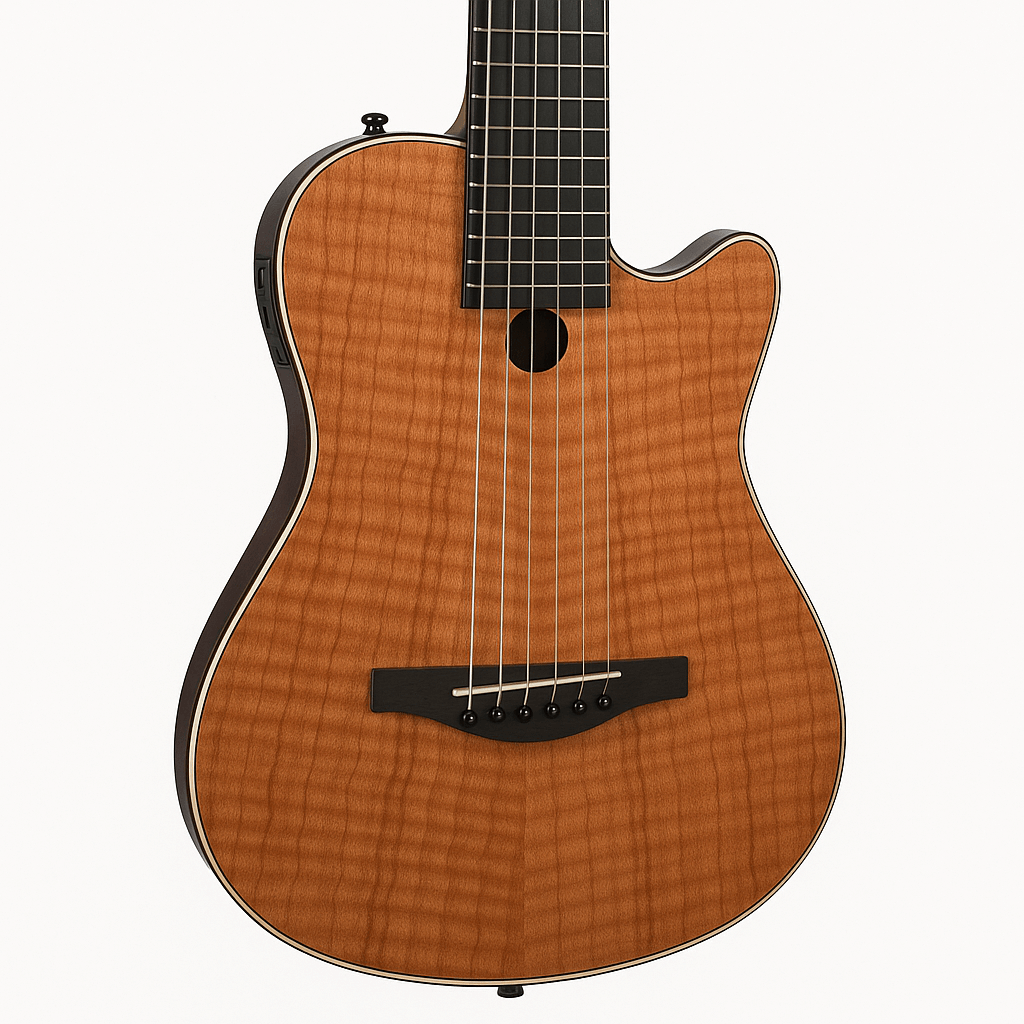
Mythic Phantom ES2 Electric Guitar – Chambered Semi Hollow Body – Flame Maple Top – USA Built
The Mythic Phantom ES2 Electric Guitar features a thinline chambered semi-hollow body that delivers a blend of acoustic warmth and electric clarity, making it suitable for various playing styles. Its premium tonal woods and set-neck construction provide a balanced sound with dynamic responsiveness, while the professional-grade expression system allows for easy tone shaping. Built to order in the USA, this guitar is designed for musicians seeking versatility and high-quality craftsmanship in their instrument.
View Product