
Understanding Custom Guitar Pricing In The USA
· Wolf
Overview
This article explores the intricacies of custom guitar pricing in the USA, guiding readers through the various factors that influence costs, such as materials, craftsmanship, and brand reputation. By understanding these elements, musicians can make informed choices when investing in a custom instrument that reflects their unique sound and style. Ultimately, this knowledge empowers both seasoned players and newcomers to navigate the custom guitar buying process with confidence.
Table of Contents
- What Is A Custom Guitar?
- Types of Custom Guitars
- Factors Influencing Custom Guitar Pricing
- Materials
- Labor and Craftsmanship
- Customization Options
- The Role of Brand in Custom Guitar Pricing
- Market Demand
- Pricing Examples for Custom Guitars
- Understanding the Value of Custom Guitars
- Navigating the Custom Guitar Buying Process
- Research and Choose a Luthier
- Define Your Preferences
- Discuss Your Budget
- Be Open to Collaboration
- Your Custom Guitar Journey Awaits!
Key Takeaways
- Definition: A custom guitar is built to a musician's specific preferences, including body style, wood types, and electronic configurations.
- Types: Common types of custom guitars include electric, acoustic, and hybrid models, each offering unique sound characteristics.
- Materials Matter: The choice of wood and hardware significantly affects the price, with exotic woods and high-quality components driving costs higher.
- Craftsmanship Costs: The skill level of the luthier and the complexity of the build can lead to increased labor costs.
- Customization Options: Features like pickups, neck shape, and aesthetic inlays can add to the overall expense of a custom guitar.
- Brand Influence: Established brands often command higher prices due to their reputation and heritage in the guitar-making industry.
- Investment Potential: Custom guitars can appreciate in value over time, especially those crafted by renowned luthiers.
When it comes to the world of music, few instruments command as much respect and passion as the guitar. Particularly for musicians seeking to create a distinct sound, custom guitars can be an invaluable investment. However, the pricing of custom guitars is often a point of confusion for buyers. In this article, we will delve into the factors that influence the pricing of custom guitars in the USA, helping you understand what makes each instrument unique, and how to make informed purchasing decisions.
What Is A Custom Guitar?
Before we can understand the pricing behind custom guitars, it’s essential to clarify what exactly constitutes a custom guitar. A custom guitar is typically built according to a player’s specific preferences, including body style, wood types, finish, and electronic configurations. Unlike mass-produced guitars, a custom instrument often embodies the musician's personal style and sound, making it a true extension of their artistic expression.
Types of Custom Guitars
Custom guitars can be classified into several categories. Here are some popular types:
- Electric Guitars: These instruments involve electronic components and come in various pickups configurations to achieve a unique sound.
- Acoustic Guitars: Often characterized by their hollow bodies, acoustic guitars rely on the acoustic properties of the wood to produce sound without electronic amplification.
- Hybrid Guitars: Instruments like the Mythic Phantom ES2 combine elements of both electric and acoustic guitars, designed to offer versatility.
Factors Influencing Custom Guitar Pricing
Several key factors contribute to the varying prices of custom guitars. Understanding these factors will equip you with the information necessary to make sound decisions when considering an investment in a custom instrument.
Materials
The materials used to construct a custom guitar significantly influence its price. Here’s a breakdown of common materials and their impact on pricing:
- Wood Types: The different types of wood used in the body, neck, and fretboard can vary widely in cost. Exotic woods such as rosewood or mahogany tend to be more expensive compared to common woods like maple or poplar.
- Hardware Quality: Components such as tuners, bridge, and pickups can greatly affect the final price. Top-notch hardware will ensure better sound and longevity, contributing to a higher overall cost.
- Finish: The type of finish applied to the guitar can also change its price. Custom finishes that require more labor or unique compounds typically drive the cost up.
Labor and Craftsmanship
The skill of the luthier—the person crafting the guitar—plays a pivotal role in the cost of custom guitars. A higher level of craftsmanship may come with a premium price tag because:
- Experienced luthiers bring years of expertise and a unique touch to each instrument.
- Complex builds, such as the intricate designs and sonic properties found in models like the Mythic Phantom ES2, may take more time to perfect, escalating labor costs.
Customization Options
Every custom guitar will offer different levels of personalization. Here are some factors that contribute to the pricing:
- Pickups and Electronics: Customized electronic configurations, including the type and placement of pickups, can add significant costs.
- Neck Shape and Profile: Depending on the player's specifications, different neck profiles can be requested, affecting both feel and cost of the instrument.
- Inlays and Aesthetics: Personal touches such as unique inlays, binding, and other aesthetic features usually incur additional costs.
The Role of Brand in Custom Guitar Pricing
Another important aspect of custom guitar pricing is the brand reputation. Established brands often command higher prices due to their proven track records in creating quality instruments. Factors contributing to brand influence include:
- Heritage and Reputation: Long-standing brands with a rich history in guitar making tend to be more expensive because of their recognized craftsmanship.
- Artist Endorsements: Custom guitars associated with famous musicians can be priced higher due to their celebrity connections.
Market Demand
The demand for particular types of custom guitars can impact prices substantially. Popular styles or limited editions often carry a premium, as musicians vie for unique instruments.
Pricing Examples for Custom Guitars
While prices can vary widely, it is helpful to understand typical starting ranges for custom guitars based on their type and specifications:
- Entry-Level Custom Electric Guitars: Often starting at around $1,200, these guitars generally offer basic customization and materials.
- Mid-Range Custom Guitars: These typically range from $2,500 to $4,500, featuring better materials and craftsmanship with more customization options.
- High-End Custom Guitars: Expect to start around $5,000 and can exceed $10,000 for top-tier models with extensive custom features, exceptional craftsmanship, and premium materials.
Understanding the Value of Custom Guitars
Investing in a custom guitar is often more than just acquiring an instrument; it is about capturing a specific sound and feel tailored to the musician’s unique style. Here are some thoughts to consider:
- Long-Term Investment: A custom guitar can appreciate in value over time, especially if it is made by a renowned luthier and well-maintained.
- Performance and Playability: The effort put into crafting a custom guitar often results in better tone, playability, and comfort, enhancing the player's performance.
- Personal Connection: A custom-made instrument usually fosters a deeper emotional connection, which can inspire creativity and passion in performance.
Navigating the Custom Guitar Buying Process
Purchasing a custom guitar may seem daunting, but there are essential steps you can take to navigate the process effectively:
Research and Choose a Luthier
Start by researching reputable luthiers or electric guitar production shops that specialize in custom builds. Read reviews, check online forums, and seek recommendations from fellow musicians to find a trusted craftsman.
Define Your Preferences
Take the time to outline what you want in a custom guitar, including:
- Body style (solid, semi-hollow, etc.)
- Wood choices and finish options
- Electronics and pickup configurations
Discuss Your Budget
Before entering into an agreement, discuss your budget openly with the luthier. A transparent conversation will ensure you receive a guitar that meets your needs without exceeding your financial constraints.
Be Open to Collaboration
Custom guitar building is often a collaborative process. Be open to suggestions from the luthier, who may have valuable insights based on their expertise and experience.
Your Custom Guitar Journey Awaits!
Understanding the pricing behind custom guitars in the USA requires a thoughtful examination of the various influencing factors. From materials and craftsmanship to brand reputation and market demand, there are numerous aspects to consider. Investing in a custom guitar, such as one that bridges acoustic richness and electric articulation—similar to the capabilities seen in the Mythic Phantom ES2—is not merely about the cost; it's about acquiring an instrument that embodies your musical spirit.
So whether you are a seasoned musician or a budding artist, embarking on the journey of purchasing a custom guitar is an exhilarating experience. Armed with the knowledge outlined in this article, you can make informed decisions that enhance your musical pursuits and bring your creative visions to life. Let's get strumming!
Frequently Asked Questions
1. What is a custom guitar?
2. What factors influence the pricing of custom guitars?
3. What are the different types of custom guitars?
4. How much do custom guitars typically cost?
5. What should I consider before purchasing a custom guitar?
Glossary
| Term | Meaning |
|---|---|
| Custom Guitar | A guitar built to a musician's specific preferences. |
| Electric Guitar | A guitar that uses electronic components to produce sound. |
| Acoustic Guitar | A guitar that produces sound through its hollow body without electronics. |
| Hybrid Guitar | A guitar that combines features of both electric and acoustic guitars. |
| Luthier | A craftsman who builds and repairs stringed instruments like guitars. |
| Wood Types | Different kinds of wood used in guitar construction, affecting sound and cost. |
| Hardware | Components like tuners and pickups that impact the guitar's performance and price. |
| Finish | The surface treatment applied to the guitar, influencing appearance and cost. |
| Customization Options | Personal features like neck shape and inlays that can increase a guitar's price. |
| Market Demand | The popularity of certain guitars, influencing their pricing and availability. |
Linked Product
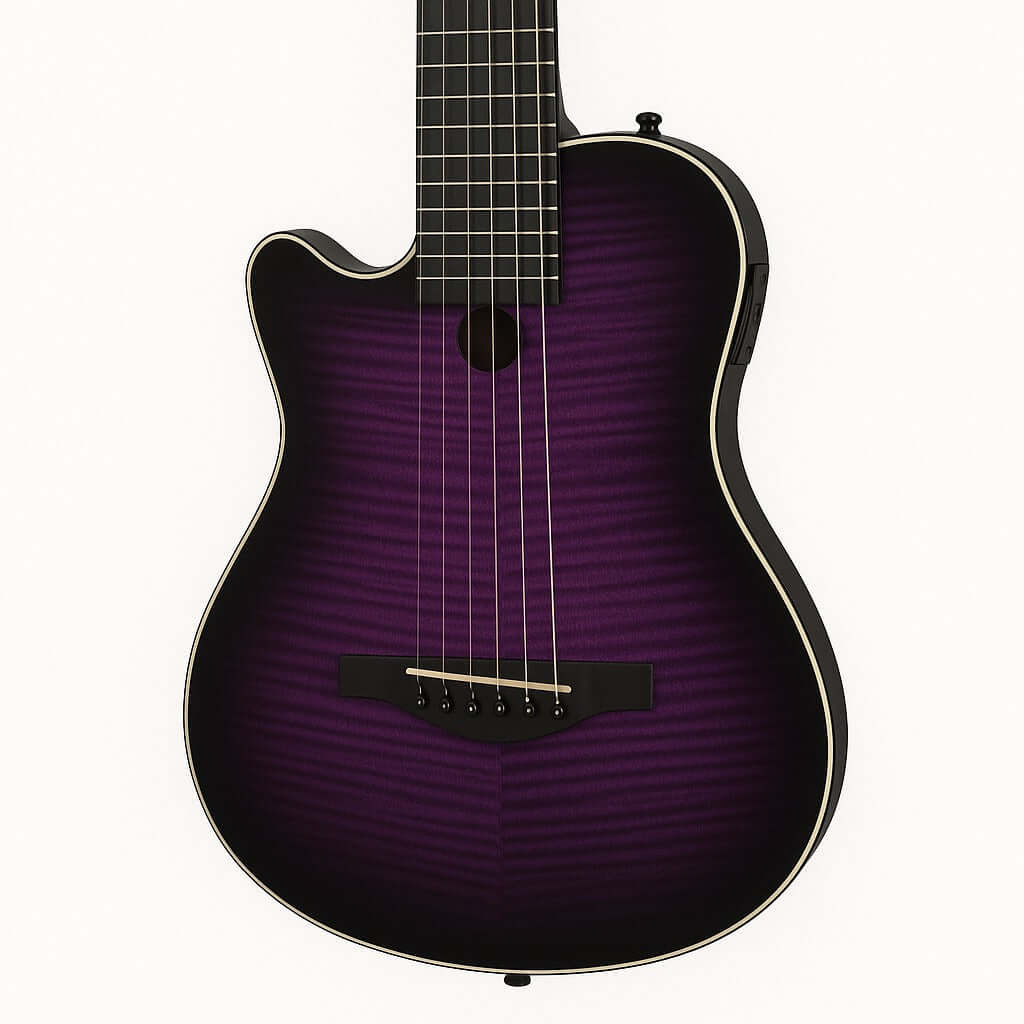
Mythic Phantom ES2 Electric Guitar – Chambered Semi Hollow Body – Flame Maple Top – USA Built
The Mythic Phantom ES2 Electric Guitar features a chambered semi-hollow body and a flame maple top, providing a blend of acoustic richness and electric clarity. Its design allows for dynamic responsiveness, making it suitable for various playing styles, from rhythm to ambient. With an onboard professional-grade expression system, users can easily shape their tone for both acoustic and electric outputs.
View Product