
What to Expect When Ordering a Custom Guitar
· Wolf
Overview
This article serves as a comprehensive guide for anyone interested in ordering a custom guitar, detailing the exciting journey from concept to creation. Readers will learn about key steps in the process, including selecting a boutique manufacturer, understanding customization options, and navigating the timeline and testing phases. By the end, you'll be equipped with the knowledge to make informed decisions and enjoy a personalized musical experience.
Table of Contents
- The Custom Guitar Experience: An Overview
- Choosing the Right Boutique Guitar Manufacturer
- Researching Manufacturers
- Understanding the Customization Process
- Initial Consultation
- Selecting Woods and Materials
- Understanding Configuration Options
- Pickup Configurations
- Neck Profile and Scale Length
- Finishing Touches and Aesthetics
- Manufacturing Timeline
- Typical Timeframes
- Testing and Final Adjustments
- Final Adjustments
- What Happens After Delivery
- Initial Setup and Care
- Getting Comfortable
- Building a Relationship with Your Boutique Manufacturer
- Your Guitar, Your Identity
Key Takeaways
- Choose a Reputable Manufacturer: Select a boutique guitar manufacturer known for quality craftsmanship and customization options.
- Initial Consultation is Key: Discuss your vision, style, and desired features during the initial consultation to ensure clarity in your order.
- Material Selection Matters: The choice of woods and materials significantly impacts your guitar's sound and playability.
- Understand Configuration Options: Explore pickup types, neck profiles, and scale lengths to tailor the instrument to your playing style.
- Timeline Awareness: Be prepared for manufacturing timelines that can range from weeks to months, influenced by customization complexity and material availability.
- Final Adjustments: Test your guitar upon completion and communicate any adjustments needed for optimal playability.
- Ongoing Relationship: Build a lasting connection with your manufacturer for future upgrades and support, enhancing your overall experience.
Ordering a custom guitar is an exciting journey filled with anticipation and creativity. Whether you are an experienced musician or a beginner eager to explore the world of music, having a guitar tailored to your specifications can elevate your playing experience. In this guide, we will walk you through everything you should expect when ordering your custom instrument, focusing on the process and the various decisions you'll need to make.
The Custom Guitar Experience: An Overview
When you think about ordering a custom guitar, several factors come into play. From choosing the right model to selecting materials, each decision contributes to creating a unique instrument that resonates with your personal style and musical preferences. The process can seem daunting, but understanding what to expect will make it more enjoyable and less stressful.
Choosing the Right Boutique Guitar Manufacturer
One of the first steps in your custom guitar journey is selecting a boutique guitar manufacturer that aligns with your vision. An ideal manufacturer will offer high-quality craftsmanship and a variety of customization options. Look for a brand that has a reputation for creating exquisite instruments, such as the Mythic Phantom ES2 Electric Guitar. This model symbolizes the quality you can expect from a well-regarded manufacturer.
Researching Manufacturers
- Read customer reviews to gauge overall satisfaction.
- Explore the manufacturer's website for available models and customization choices.
- Reach out and ask questions about their building process.
Understanding the Customization Process
Each boutique guitar manufacturer will have its specific process for ordering custom guitars, but you can generally expect several key steps. Understanding these can help you be better prepared and ensure a smoother experience.
Initial Consultation
Most manufacturers will begin with an initial consultation. This could be a phone call or an in-person meeting, depending on their processes. During this consultation, you will discuss your vision, style preferences, and desired features. Be prepared to articulate what you’re looking for, including:
- Desired body shape and style (e.g., solid body, semi-hollow, etc.)
- Preferred wood types for the body, neck, and fretboard.
- Hardware options such as pickups, bridges, and tuners.
Selecting Woods and Materials
The choice of materials used in your custom guitar will greatly affect the instrument's sound and playability. Different woods impart different tonal characteristics. For example, the Mythic Phantom ES2 Electric Guitar utilizes premium tonal woods that are known for their warmth and resonance. The selection process may include options like:
- Body Woods: Ash, mahogany, or alder can change the tonal qualities of your guitar.
- Neck Woods: Maple, rosewood, and mahogany contribute to the feel and sound.
- Top Woods: Flame maple is not only visually stunning but also adds depth to the tone.
Understanding Configuration Options
Once you've laid the foundation of what material you'd like your guitar to be crafted from, you will need to consider specific configuration options. Configuration encompasses numerous elements, including electronics, neck setup, and more.
Pickup Configurations
Choosing the right pickups is crucial for achieving your desired sound. Different types of pickups provide various tonal options. For instance, single-coil pickups are often brighter with more articulation, while humbuckers offer a thicker sound with less noise. The Mythic Phantom ES2 Electric Guitar features versatile pickup configurations that allow for tone shaping tailored to various musical genres.
Neck Profile and Scale Length
The neck profile, including the shape and thickness, will significantly influence your playing comfort. Additionally, scale length affects the tension of the strings and overall tonal quality. Discuss these options thoroughly during your consultation to ensure the best fit for your playing style.
Finishing Touches and Aesthetics
Don’t overlook the visual appeal of your guitar! Custom finishes and aesthetics can add a personal touch that reflects your style. During this phase, you’ll get to choose:
- Finish type (gloss, satin, etc.)
- Color schemes (solid, burst, or custom graphic designs)
- Inlays on the fretboard and headstock designs
These aesthetic choices are crucial, as they will define the look of your instrument and how it represents you as a musician.
Manufacturing Timeline
A key aspect of ordering a custom guitar is understanding the timeline involved in the manufacturing process. Most boutique guitar manufacturers will provide an estimated timeline that can vary significantly based on demand and the complexity of your order.
Typical Timeframes
Expect the timeline to range anywhere from a few weeks to several months. Here are some common factors influencing this timeframe:
- Order backlog at the manufacturing facility.
- Complexity of the customizations chosen.
- Availability of selected materials.
Good communication with your manufacturer can help keep you informed about any delays or changes to the anticipated completion date.
Testing and Final Adjustments
Once your custom guitar is complete, it will undergo a series of tests to ensure it meets the high standards expected. These tests may include checking the electronics, setup, and overall playability. You will likely be given an opportunity to test the instrument under various conditions, both acoustically and electrically if you choose a hybrid model like the Mythic Phantom ES2 Electric Guitar.
Final Adjustments
If anything doesn’t feel right or meet your expectations during the assessment, the manufacturer will often make necessary adjustments. This could involve tweaking the action, neck relief, or pickup height to ensure optimal playability. Don’t hesitate to communicate any concerns you have during this phase.
What Happens After Delivery
After receiving your custom guitar, the excitement will be palpable! But your journey isn’t over just yet. Here are a few tips on how to care for and enjoy your new musical partner:
Initial Setup and Care
Even after thorough testing, it’s important to give your guitar some personal attention once you receive it. You might want to:
- Change the strings to your preferred gauge for a better feel.
- Inspect the setup to see if it aligns with your playing style.
- Store it in a safe environment to avoid damaging humidity and temperature.
Getting Comfortable
Take your time to get acquainted with your new guitar. Each instrument has its idiosyncrasies, and it may take time to adjust to this unique piece of craftsmanship. Consider practicing regularly – not only will this help you get used to your guitar, but it will also help you discover its full sonic potential.
Building a Relationship with Your Boutique Manufacturer
Ordering from a boutique guitar manufacturer often leads to a lasting relationship. Many manufacturers, like those behind the Mythic Phantom ES2 Electric Guitar, encourage ongoing communication and provide post-purchase support. Utilize this relationship to learn about future upgrades or additional services they may offer, such as modifications and repairs.
Getting to know the team behind your guitar can also enrich your overall experience, making it more personal and impactful.
Your Guitar, Your Identity
Ordering a custom guitar is more than just making a purchase; it’s an investment in your musical identity. With patience and clear communication, you can create an instrument that is not only beautiful but also tailored to your sound and style. Enjoy the building process and look ahead to the joy your custom guitar will bring as you create music that resonates with your spirit.
So, get ready to embark on this thrilling journey of crafting your perfect instrument and embrace the world of music like never before! Your dream guitar awaits.
Frequently Asked Questions
1. What is the process of ordering a custom guitar?
2. How do I choose the right boutique guitar manufacturer?
3. What should I expect in terms of customization options?
4. What factors influence the timeline for receiving my custom guitar?
5. How can I care for my custom guitar after delivery?
Glossary
| Term | Meaning |
|---|---|
| Custom Guitar | A guitar built to individual specifications and preferences. |
| Boutique Manufacturer | A specialized guitar maker known for high-quality craftsmanship. |
| Initial Consultation | The first meeting to discuss design and features of the guitar. |
| Pickup Configurations | Different types of pickups that influence sound quality. |
| Neck Profile | The shape and thickness of the guitar neck affecting playability. |
| Finishing Touches | Custom finishes and aesthetics that personalize the guitar. |
| Manufacturing Timeline | The estimated time for the guitar to be built and delivered. |
| Final Adjustments | Modifications made to ensure optimal playability after testing. |
| Post-Purchase Support | Ongoing assistance from the manufacturer after the sale. |
| Musical Identity | The personal connection and expression through your instrument. |
Linked Product
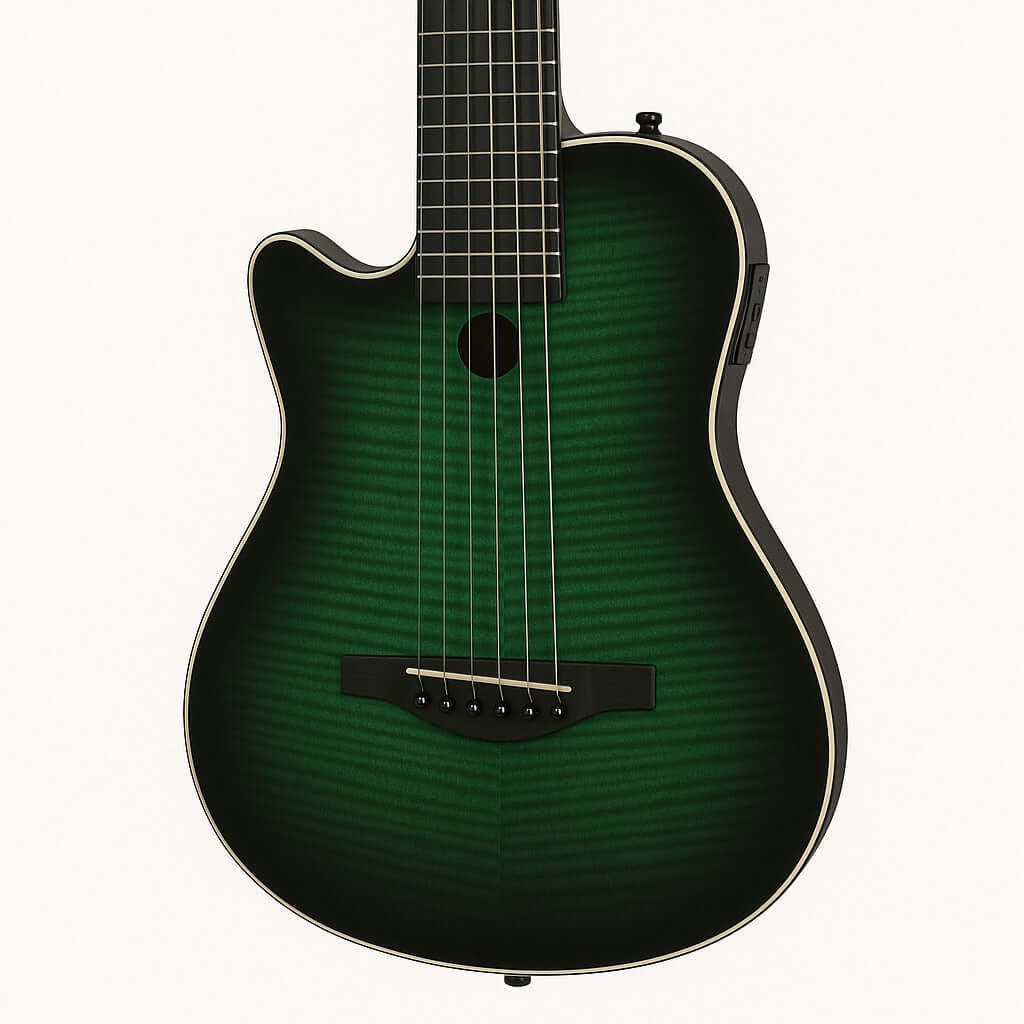
Mythic Phantom ES2 Electric Guitar – Chambered Semi Hollow Body – Flame Maple Top – USA Built
The Mythic Phantom ES2 Electric Guitar features a chambered semi-hollow body and a flame maple top, combining acoustic richness with electric clarity. It is designed for versatile playing styles, offering dynamic responsiveness for rhythm, lead, and ambient music. With a professional-grade expression system and premium tonal woods, this guitar allows for full tone shaping and delivers a balanced sound profile.
View Product