Mastering Vision: Communicate with Custom Builders
· Wolf
Overview
Collaborating with custom builders for your dream guitar, especially in ghost guitar manufacturing, requires clear communication of your vision. Define your goals, research builders, create a detailed brief, and maintain open dialogue throughout the process. Regular updates and constructive feedback are essential to ensure the final product aligns with your expectations. Celebrate the completion of your unique instrument and enjoy the journey of bringing your ideas to life.
Frequently Asked Questions
1. Why is communication important when working with custom guitar builders?
2. What should I consider before reaching out to custom builders?
3. How can I find the right custom guitar builder for my project?
4. What tools can help maintain effective communication throughout the building process?
5. What steps should I take when providing feedback during the guitar creation process?
When it comes to crafting your dream instrument, collaborating with custom builders is an exciting journey. However, it's essential to effectively communicate your vision to ensure that the final product aligns with your expectations. In the world of ghost guitar manufacturing, clear communication becomes even more crucial. This blog will guide you through the process of articulating your ideas to builders, allowing them to bring your unique concepts to life.
The Importance of Communication in Custom Projects
Effective communication can be the difference between a mediocre guitar and a masterpiece that speaks to your artistry. Here are some compelling reasons why strong communication is critical:
- Clarity of Vision: Ensuring that both you and the builder share the same understanding of the project.
- Problem Solving: Addressing potential issues early on can save time and frustration.
- Creativity Flourishes: Open discussions foster collaborative problem-solving and innovative ideas.
Define Your Vision and Goals
Before you even reach out to custom builders, take time to define what you want. Consider the following aspects:
1. Purpose of the Guitar
Ask yourself what you will predominantly use the guitar for—be it live performances, studio recordings, or personal enjoyment. This will guide development choices that may influence sound quality, aesthetics, and functionality.
2. Desired Features
Compile a list of features you want in your guitar, such as:
- Type of wood
- Pursued tonal qualities
- Body shape and size
- Neck dimensions
- Finish and color
Be prepared to discuss why these features are important to you, as this will help builders understand your vision in depth.
Research Custom Builders
Not all builders specialize in the same areas, so it’s crucial to find the right fit. Here’s how to narrow down your options:
1. Check Portfolios and Reviews
Investigate portfolios online, looking for previous work that resonates with your vision. Reading reviews can also provide insight into a builder's customer service and final products.
2. Identify Specializations
Different builders may focus on certain styles or types of guitars. Ensure that the builder you choose can effectively handle your specific project, especially if you’re looking for unique elements associated with ghost guitar manufacturing.
Reach Out with Your Vision
Once you've selected a builder, it's time to initiate conversation. Here's how to approach them:
1. Create a Brief
Summarize your vision in a document. Include:
- Your guitar's intended use
- Aspiration and goals
- Specific features you want
- Your budget and timeline
2. Use Visual Aids
A picture is worth a thousand words. Consider providing:
- Inspiration images
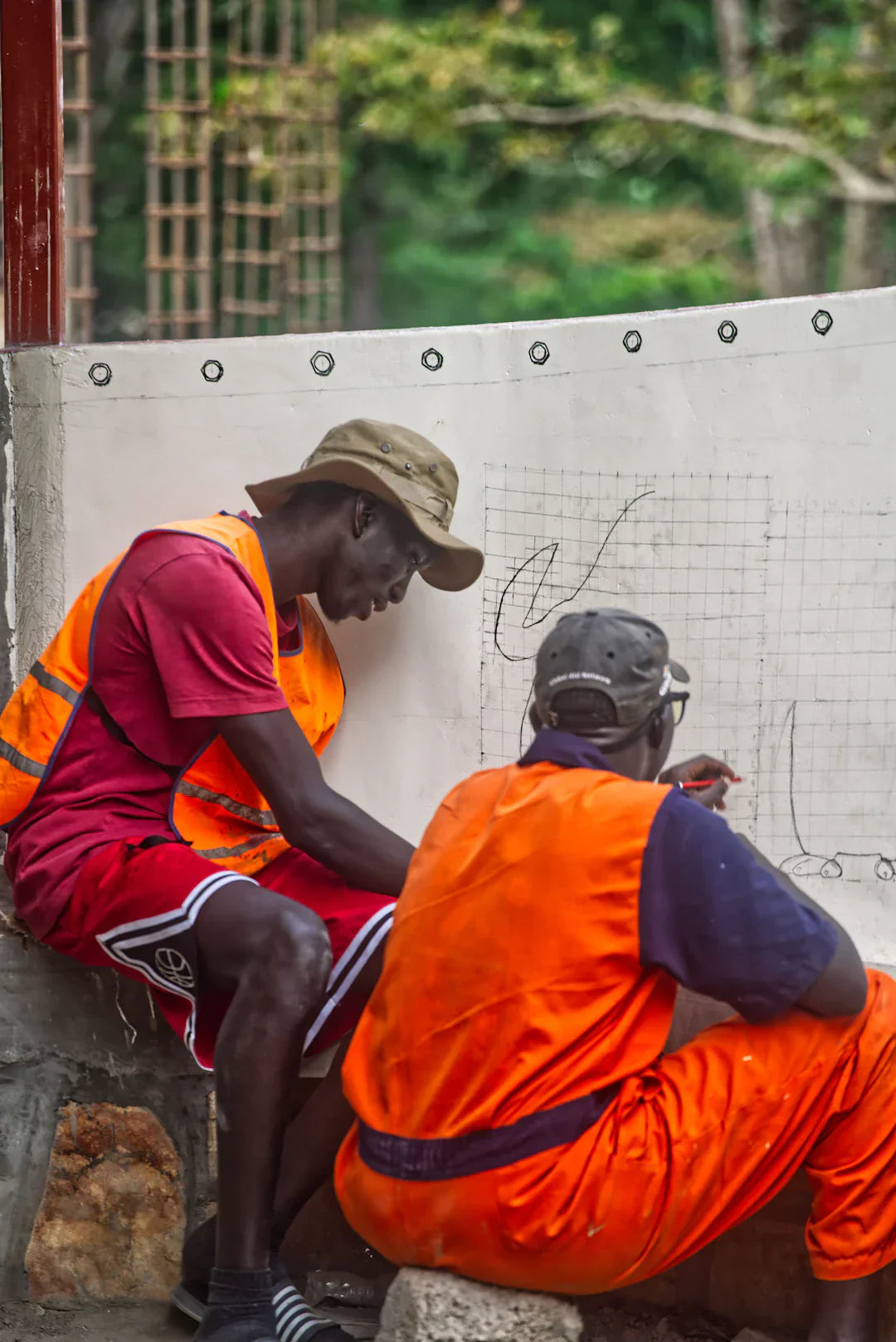
- Sketches of your ideas
- Examples of guitars whose aesthetics or features you admire
This visual context can help your builder comprehend your artistic vision more clearly.
The Art of the Conversation
Once you've set the stage, here’s how to conduct the actual dialogue:
1. Be Open-Minded
A great builder might have their own perspectives or suggestions that could enrich your vision. Be prepared to listen and adapt to their expertise.
2. Ask Questions
Don’t hesitate to ask about materials, processes, and timelines to get better insights into what it takes to create your instrument. This dialogue fosters a stronger partnership.
Ongoing Communication: From Concept to Creation
Developing a custom guitar is a process, not an event. Consider creating a communication schedule to check in without overwhelming the builder with constant inquiries. Here’s how you can maintain effective dialogue:
1. Regular Updates
Weekly or bi-weekly updates can keep both you and the builder aligned on the project’s status. This is especially useful in ghost guitar manufacturing, where things can quickly change.
2. Utilize Technology
Video calls and project management tools help to keep all parties on the same page, no matter the distance. Sharing digital documents, photos, or videos of the build process can enrich the experience for both you and the builder.
Providing Feedback
As your builders progress, the opportunity to provide feedback arises. Here’s a step-by-step approach to ensure your input is constructive:
1. Be Specific
When something is not aligning with your vision, specify what it is and why it matters. Avoid vague terms like "I don’t like it." Instead, say something like, "The color seems darker than expected; I prefer a lighter tone."
2. Acknowledge Good Work
Don’t forget to share what you love too! Positive feedback is equally important, reinforcing what’s working as you guide the process.
The Final Stages: Completing Your Vision
As your custom guitar nears completion, it’s vital to prepare for the final evaluations:
1. Have a Final Review
Before the guitar is finalized, conduct a review where you can inspect every detail and confirm with the builder that everything is to your liking. This is your chance to catch any last-minute discrepancies.
2. Talk About Maintenance
Once your instrument is a reality, be sure to discuss how to maintain its condition. Builders generally provide their insights, especially vital for ghost guitar manufacturing techniques.
Celebrate Your Creation
When you finally hold your custom guitar in your hands, it’s nothing short of exhilarating. Make the most of the moment:
- Document the experience for personal memories or social media.
- Share the journey with your friends, showcasing everything from conception to realization.
- Consider the plays and performances you plan to have with your new instrument.
Getting a custom guitar made can be both thrilling and intimidating. Stepping into the world of ghost guitar manufacturing can seem overwhelming, but with clear communication and an open mind, you can create an instrument that not only meets your expectations but exceeds them. The collaborative, creative process will not only deepen your appreciation for the art of guitar making but also forge a lasting relationship with your builder.
Your Journey Awaits
Now, armed with these tips and a clear vision, you’re ready to embark on your adventure with custom builders. Remember, the more effectively you communicate your dreams, the closer you get to turning those dreams into reality. So, grab your sketches, gather your ideas, and get ready to create your masterpiece!