
The Art of Personalization in Modern Guitar Making
· Wolf
Overview
Personalization in guitar making enhances the connection between musicians and their instruments, allowing for tailored features and unique aesthetics. Modern technology, like CNC machining, facilitates intricate designs and customizations that improve playability and sound. As demand for personalized guitars grows, the future promises more innovative options, including sustainable practices and community engagement in the design process, making each instrument a reflection of the musician's identity.
Table of Contents
- The Evolution of Guitar Personalization
- The Role of CNC Guitar Machining in Personalization
- Enhancing Playability Through Personalization
- Selecting Tonewoods for Personal Sound
- The Mythic Phantom ES2 Electric Guitar: A Case Study in Personalization
- Aesthetics Matter: Visual Customization Options
- Building a Connection Between Musician and Instrument
- Customizing for Performance and Expression
- The Future of Personalization in Guitar Making
- Embracing Sustainability Through Personalization
- Community Engagement and Customization
- The Collaborative Process
- Final Strum: The Heartbeat of Personalization
Key Takeaways
- Personalization Enhances Connection: Customizing a guitar fosters a deeper emotional bond between the musician and their instrument.
- CNC Machining Revolutionizes Craftsmanship: Advanced CNC guitar machining allows for intricate designs and precise customization that were previously unattainable.
- Playability Tailored to Individual Styles: Personalization includes adjustments to neck profiles, fretboard radius, and action heights to suit unique playing techniques.
- Choice of Tonewoods Influences Sound: Selecting specific woods can dramatically alter a guitar's tone, enabling musicians to achieve their desired sound quality.
- Aesthetics Reflect Personal Style: Custom paint jobs, finishes, and inlays allow musicians to visually express their personality through their instruments.
- Sustainability in Guitar Making: Personalized guitars can incorporate sustainably sourced materials, enhancing both sound quality and environmental impact.
- Community Engagement in Design: Involving musicians in the design process creates unique instruments that resonate with their personal stories and preferences.
In the world of music, no instrument evokes passion and creativity quite like the guitar. Musicians from all walks of life appreciate the craftsmanship that goes into each instrument, particularly when it comes to personal touch and customization. In this blog post, we'll explore the importance of personalization in modern guitar making, focusing on how it enhances the playing experience and fosters a deeper connection between the instrument and the musician.
The Evolution of Guitar Personalization
Historically, guitars were primarily made as generic models that could cater to a broad audience. However, the rise of modern technology and craftsmanship has transformed guitar making into an art where personalization plays a pivotal role. Today, more and more companies, including those offering CNC guitar machining services, allow musicians to customize their instruments to suit their unique styles.
The Role of CNC Guitar Machining in Personalization
One of the most revolutionary advancements in guitar making is the introduction of CNC guitar machining services. These advanced machines enable luthiers to create precise and intricate designs that were once impossible to achieve by hand. With CNC machining, guitar makers can provide highly personalized options, from customized body shapes to unique inlays and finishes.
Enhancing Playability Through Personalization
Every guitarist has a unique playing style, influenced by factors such as genre, technique, and personal preference. Personalization allows for the adaptation of guitar features to enhance the playability for individual musicians. Custom neck profiles, fretboard radius, and action heights can all be adjusted to create an instrument that suits a player's technique and comfort level.
Selecting Tonewoods for Personal Sound
Tonewoods play a critical role in determining the sound quality of a guitar. Personalization extends beyond aesthetics to include the selection of specific woods that resonate with a player's sonic preferences. Different combinations of body and neck woods can significantly alter the tone of the instrument, allowing musicians to create a sound that is distinctly theirs.
- Mahogany: Known for its warm, mellow tones.
- Maple: Offers bright, resonant sounds with clarity.
- Rosewood: Provides a rich, deep tonal quality.
The Mythic Phantom ES2 Electric Guitar: A Case Study in Personalization
The Mythic Phantom ES2 Electric Guitar has become a hallmark of customization, showcasing how modern technology and craftsmanship can blend seamlessly. Designed with both beginner and advanced guitarists in mind, this model allows players to explore a myriad of personalized options that cater to their individual tastes.
Aesthetics Matter: Visual Customization Options
Visual appeal is an integral aspect of guitar personalization. Musicians often want their instruments to reflect their personality and style. Custom paint jobs, unique finishes, and personalized inlays are just a few examples of how aesthetics can be tailored to the musician's vision. The ability to add personal touches to a guitar, such as custom artwork or engravings, allows players to create an instrument that feels like an extension of themselves.
Building a Connection Between Musician and Instrument
The relationship between a musician and their instrument is a profound one. A personalized guitar fosters a deeper emotional connection, as it symbolizes the effort and thought put into its creation. Each time a musician picks up their personalized instrument, they engage with it on multiple levels—emotionally, physically, and creatively.
Customizing for Performance and Expression
Musicians often seek guitars that inspire creativity and enhance their performance. Personalization goes beyond individual preference; it can amplify the emotional impact of a performance. A guitar that feels good in the player's hands and sounds just how they want can be the difference between a good performance and a truly memorable one.
The Future of Personalization in Guitar Making
As technology continues to advance, so do the possibilities for personalized guitar-making. With innovations in materials, design, and production techniques, musicians will have even more opportunities to create an instrument that caters to their specific needs. Furthermore, the growing demand for personalized instruments will likely encourage luthiers and manufacturers to prioritize custom options in their offerings.
Embracing Sustainability Through Personalization
The shift towards more personalized guitar making also opens doors to sustainable practices. Artists are becoming increasingly aware of the materials they use, including sourcing wood from sustainable forests and choosing eco-friendly finishes. Personalization can include opting for sustainably sourced materials, which may enhance not just the instrument's sound but also its environmental impact.
Community Engagement and Customization
Involving the community in the guitar-making process has gained traction, as musicians often desire more than just a product; they seek a narrative. Collaborating with customers in the design process allows them to share their stories, style, and wishes, ultimately leading to unique instruments that resonate deeply on a personal level.
The Collaborative Process
Utilizing platforms for feedback and design sharing enables companies to connect with customers in innovative ways. Guitar makers can create customizable templates or tools that allow musicians to play a role in the building phase—from choosing materials to perfecting the final finish. This collaboration not only enhances the personalization aspect but also builds a community of passionate musicians.
Final Strum: The Heartbeat of Personalization
The significance of personalization in modern guitar making cannot be overstated. As technology and craftsmanship converge, musicians are given the opportunity to explore a deeply personal side of guitar creation that enhances their overall musical experience. Whether it’s through advanced CNC guitar machining services or the incorporation of sustainable materials, the future promises to be as vibrant and diverse as the musicians themselves.
Ultimately, when artists make their mark on their instruments, the resulting synergy elevates their musical journey. A personalized guitar is not just a tool—it's a cherished companion that tells a unique story. By embracing this artful approach to guitar making, we breathe life into our music and forge connections that resonate for generations to come.
Frequently Asked Questions
1. Why is personalization important in modern guitar making?
2. What role does CNC guitar machining play in guitar personalization?
3. How does personalization affect playability?
4. What are tonewoods and why are they significant in personalization?
5. How does a personalized guitar enhance a musician's emotional connection with their instrument?
Glossary
| Term | Meaning |
|---|---|
| CNC Guitar Machining | Computer-controlled technology for precise guitar design. |
| Personalization | Customizing an instrument to suit individual preferences. |
| Tonewoods | Specific woods used to influence a guitar's sound quality. |
| Action Height | The distance between the strings and the fretboard. |
| Neck Profile | The shape and contour of the guitar's neck. |
| Fretboard Radius | The curvature of the guitar's fretboard surface. |
| Custom Inlays | Decorative elements added to the fretboard for personalization. |
| Visual Customization | Personal touches that enhance the aesthetic appeal of a guitar. |
| Sustainable Practices | Eco-friendly methods in guitar production and material sourcing. |
| Collaborative Process | Engaging customers in the design and creation of their instruments. |
Linked Product
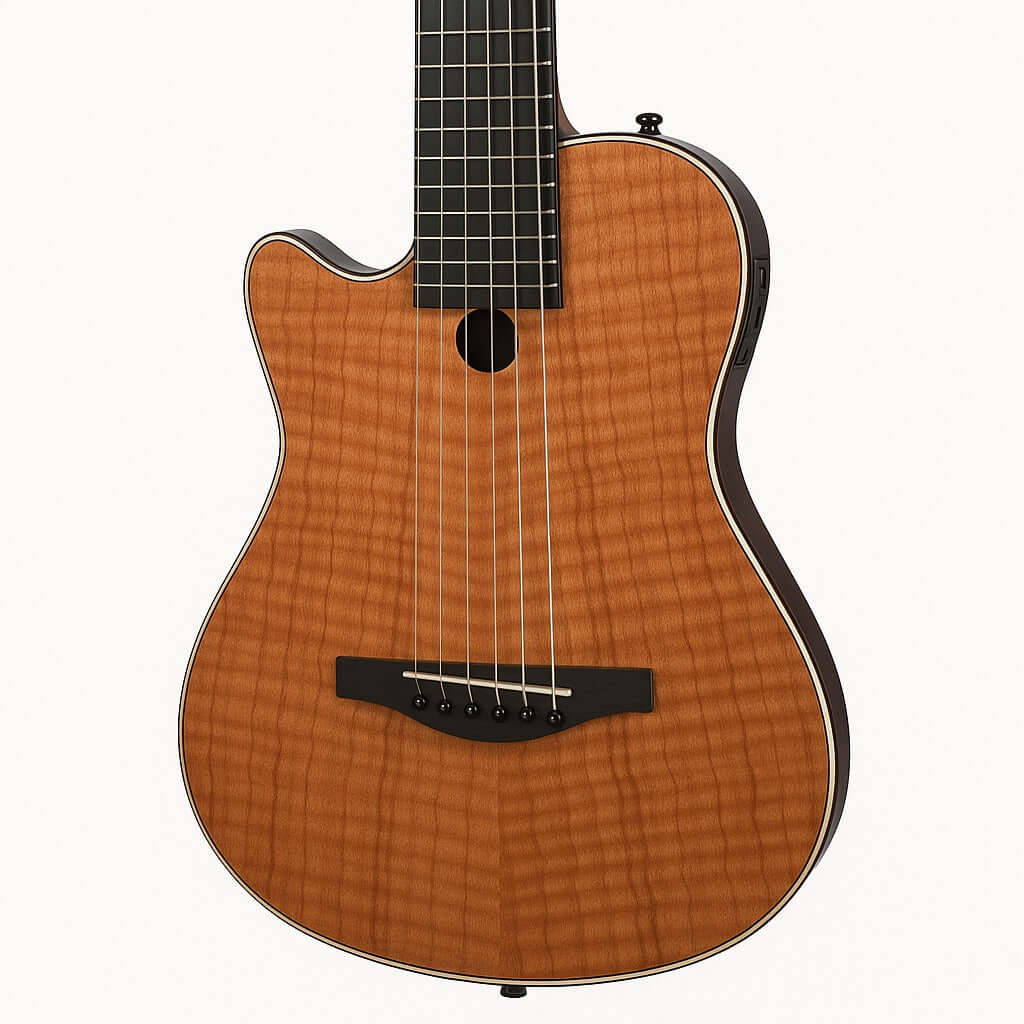
Mythic Phantom ES2 Electric Guitar – Chambered Semi Hollow Body – Flame Maple Top – USA Built
The Mythic Phantom ES2 Electric Guitar features a chambered semi-hollow body and a flame maple top, offering a unique blend of acoustic warmth and electric clarity. Its design allows for dynamic responsiveness, making it suitable for various playing styles, from rhythm to lead. With a professional-grade expression system and high-quality tonal woods, this guitar provides versatile sound shaping for both acoustic and electric performance.
View Product