
The Art of Custom Guitar Building: A Journey Through Craftsmanship
· Wolf
Overview
Custom guitar building is a detailed and artistic process that combines wood selection, design, craftsmanship, and personalization to create unique instruments. Key steps include choosing the right wood, designing the guitar, hand-shaping the body, constructing the neck, integrating electronics, and applying finishes. Each custom guitar has its own story and character, making it a cherished instrument for musicians. The craft continues to evolve with new materials and technologies, ensuring a vibrant future for custom guitars.
Table of Contents
- Understanding the Custom Guitar Building Process
- Choosing the Right Wood
- Designing the Guitar
- Craftsmanship and Techniques
- Hand Shaping the Body
- Neck Construction
- Electronics and Hardware
- The Finishing Touches
- Testing the Guitar
- The Importance of Feedback
- Investment in Time and Quality
- The Story Behind Each Custom Guitar
- Showcasing in a Community
- The Future of Custom Guitar Building
- Find Your Custom Guitar Today!
Key Takeaways
- Custom guitars offer unique sound and personalized aesthetics, making them a favorite among passionate musicians.
- Wood selection is crucial in the custom guitar building process, with different types impacting tonal qualities and overall sound.
- Designing a custom guitar involves collaboration between the guitarist and luthiers, allowing for personal touches like custom inlays and unique body shapes.
- Craftsmanship techniques include hand shaping the body and neck construction, which are essential for achieving playability and sound dynamics.
- Electronics play a significant role in the final sound profile, with skilled craftsmen integrating high-quality components for superior performance.
- Testing and feedback are vital in refining the instrument, ensuring it meets the musician's tonal and playability preferences.
- The journey of building a custom guitar is time-intensive, but the investment leads to unmatched quality and a unique playing experience.
Frequently Asked Questions
1. What is a custom guitar?
2. What are the key stages in the custom guitar building process?
3. Why is wood selection important in custom guitar building?
4. How long does it typically take to build a custom guitar?
5. What role does feedback play in the custom guitar building process?
In the world of music, few instruments inspire as much passion and creativity as the guitar. Among the various styles of guitars, custom-built pieces reign supreme. They provide not only a unique sound but also a personalized touch that captures the essence of the player. In this article, we'll dive deep into the process of custom guitar building and explore the journey through craftsmanship that brings masterpieces like the Mythic Avalon Semi Hollow Electric Guitar to life. Join us as we unravel the art behind this fascinating craft.
Understanding the Custom Guitar Building Process
Building a custom guitar isn’t a mere task; it's an intricate process that involves several stages, each demanding skill, patience, and a keen attention to detail. From selecting the finest wood to finishing touches, every aspect contributes significantly to the final sound and aesthetics of the guitar.
Choosing the Right Wood
Wood selection is arguably one of the most critical steps in the custom guitar building process. Different types of wood offer unique tonal qualities. Here are a few popular choices:
- Maple: Known for its bright sound and beautiful grain, maple is often used for necks and tops.
- Mahogany: Provides a warm, rich tone, making it a favorite for body wood.
- Oak: Offers a strong, clear sound and is known for its durability.
- Rosewood: Often used for fretboards, it gives a warm tone and smooth feel.
Each type of wood interacts uniquely with the guitar's construction, impacting both sound quality and aesthetics. Much like a painting, the choice of wood becomes the canvas for your creation.
Designing the Guitar
Once the wood is chosen, the design phase begins. This is where the vision of the guitarist comes to life. Collaborations with designers and luthiers can yield exciting innovations, melding styles, and features that define the instrument. Clients often work closely with their boutique OEM guitar manufacturer to incorporate personal touches, such as:
- Custom inlays
- Unique body shapes
- Special finishes
- Personalized electronics
The design stage is a playground where originality thrives, allowing musicians to create something that resonates with their personal style.
Craftsmanship and Techniques
Custom guitar building is as much an art form as it is a technical endeavor. Master craftspersons employ various techniques to achieve exceptional quality. Here are the primary methods and techniques used in building a custom guitar:
Hand Shaping the Body
The body of the guitar is shaped by hand, often using chisels and saws. This meticulous process requires not only skill but also an understanding of sound dynamics. A luthier must consider how the shape and contour of the body will affect the resonance and tonal balance of the instrument.
Neck Construction
The neck is critical to playability and overall performance. During construction, the truss rod is installed, allowing for adjustments that keep the neck straight under string tension. A well-crafted neck should feel comfortable while providing the necessary strength. This balance of comfort and durability is pivotal, especially in instruments like the Mythic Avalon Semi Hollow Electric Guitar.
Electronics and Hardware
In the modern era of custom guitar building, electronics play a significant role in the sound profile of the instrument. Selecting the right pickups, pots, and wiring ensures that the guitar can produce the desired tone. Skilled craftsmen often collaborate with boutique OEM guitar manufacturers to integrate high-quality electronics for superior performance.
The Finishing Touches
The finishing phase involves applying a coat of lacquer or oil to enhance aesthetics while protecting the wood. A flawless finish not only improves the guitar's appearance but also can contribute to its sound. For instance, a gloss finish can enhance brightness, while a satin finish may yield a warmer tone.
After the finish is applied, the guitar goes through a rigorous setup process, ensuring that action, intonation, and neck relief are all finely tuned. This stage is where the guitar begins to take its final form, ready for testing and evaluation.
Testing the Guitar
Even the most skilled builders know that a guitar must be road-tested. Playing the instrument allows both the creator and the guitarist to identify tonal qualities and playability. It’s during this testing phase that tweaks and adjustments are made, allowing for personalized preferences in sound and feel.
The Importance of Feedback
Participatory feedback from musicians is invaluable. It plays a significant role in shaping the finished product, ensuring that the instrument not only looks great but also performs superbly. Whether it’s adjusting the bridge height or modifying the electronics, every piece of advice is instrumental.
Investment in Time and Quality
The journey of building a custom guitar can take several months. However, the investment of time often results in unmatched quality and uniqueness. Quality craftsmanship is an investment in the playing experience, and this dedication is evident in custom guitars. It’s not just about creating an instrument but creating a personalized one that reflects the player’s artistry.
The Story Behind Each Custom Guitar
Every custom guitar has a story to tell. From the design inspirations to the guitarist's journey, each builds a narrative that resonates with the final product. This emotional connection makes playing custom guitars a rewarding experience, much more than simply strumming notes.
Showcasing in a Community
Once completed, custom guitars often find their way into the hands of passionate musicians who appreciate the journey of craftsmanship. Communities form around these instruments, celebrating their unique stories and sounds. Whether it’s at local gigs, competitions, or music festivals, custom guitars like the Mythic Avalon Semi Hollow Electric Guitar unite people through their soulful sound and quality craftsmanship.
The Future of Custom Guitar Building
The world of custom guitar building continues to evolve. New materials, technologies, and designs are emerging, allowing for greater innovation. Luthiers are exploring the use of sustainable materials, digital fabrication techniques, and more, combining tradition with modernity. This fusion of old and new will shape the future of the craft, ensuring that it remains vibrant and relevant.
Find Your Custom Guitar Today!
Embarking on your own custom guitar journey may seem daunting, but it is a deeply rewarding experience. Collaborating with a skilled boutique OEM guitar manufacturer can transform your musical dreams into reality. The craftsmanship, personalized touches, and unique sound will resonate with you every time you pick it up and play. Experience the artistry of custom guitar building and play an instrument that tells your story. Dive into the adventure today at Mythic Guitars and discover how to bring your vision of the perfect guitar to life!
Glossary
| Term | Meaning |
|---|---|
| Custom Guitar | A guitar uniquely built to a player's specifications. |
| Luthier | A skilled craftsman who builds and repairs stringed instruments. |
| Wood Selection | The process of choosing wood types for tonal quality. |
| Neck Construction | Building the neck to ensure playability and strength. |
| Electronics | Components like pickups that affect the guitar's sound. |
| Finishing Touches | Applying finishes to enhance appearance and sound. |
| Testing | Playing the guitar to evaluate its sound and feel. |
| Feedback | Input from musicians to refine the final instrument. |
| Craftsmanship | The skill and artistry involved in building guitars. |
| Mythic Avalon | A specific model of semi-hollow electric guitar. |
Linked Product
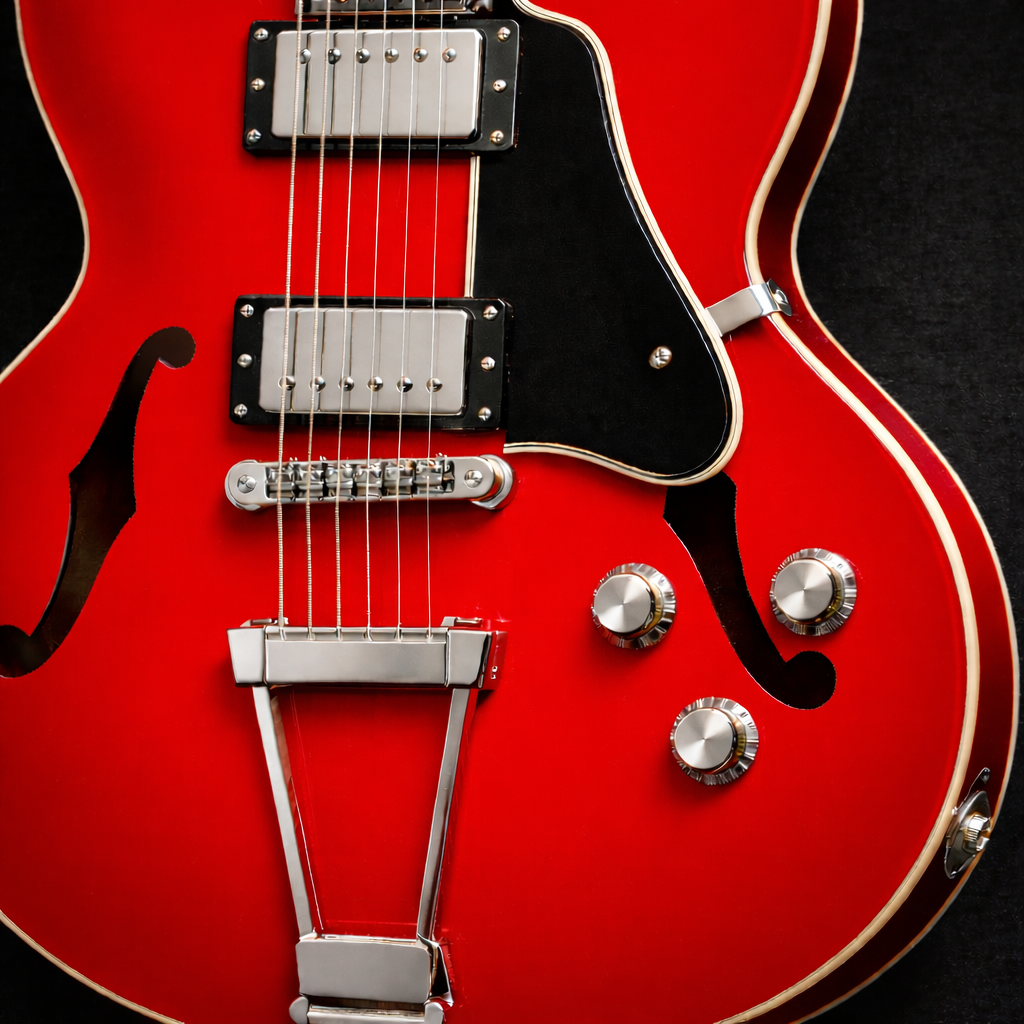
Mythic Avalon Semi Hollow Electric Guitar – Dual Humbucker – Maple Top – USA Made
The Mythic Avalon Semi Hollow Electric Guitar combines classic thinline aesthetics with modern performance, making it suitable for a wide range of musical styles. Its fully capped flame maple top and tone-selected mahogany body enhance resonance and tonal complexity, while the premium hardware ensures reliability for live performances. With options for rosewood or roasted maple fingerboards, this guitar offers smooth playability that caters to both seasoned musicians and newcomers.
View Product