
Choosing the Ideal Materials for Your Custom Guitar
· Wolf
Overview
Building a custom guitar involves selecting the right materials, which significantly affect sound, weight, and aesthetics. Key considerations include choosing appropriate tonewoods, understanding wood density and its impact on sound, selecting the right hardware, and applying finishes that enhance tonal properties. Additionally, modern manufacturing techniques can create unique sound profiles, while budget constraints should guide material choices. Ultimately, informed decisions will help you design an instrument that reflects your musical identity.
Table of Contents
- Understanding Tonewoods
- Popular Tonewoods
- The Importance of Wood Density
- Effects of Density on Sound
- Choosing the Right Hardware
- Key Hardware Materials
- Finish Matters
- Different Finishing Options
- Ghost Guitar Manufacturing: Innovations in Guitar Building
- Advantages of Advanced Manufacturing Techniques
- Consider the Guitar's Purpose
- Versatility vs. Specialization
- Budget Considerations
- Balancing Quality and Cost
- Final Thoughts
Key Takeaways
- Choose the Right Tonewoods: The type of wood significantly influences your guitar's sound and playability; popular options include mahogany for warmth, maple for brightness, and spruce for a strong response.
- Understand Wood Density: Denser woods provide pronounced attack and sustain, while lighter woods allow for quicker response; balance is key for achieving your desired sound.
- Select Quality Hardware: Materials like steel, aluminum, and bone can enhance tonal quality and playability, whereas plastic may compromise sound for budget builds.
- Consider the Finish: The finish protects the wood and can affect resonance; options like lacquer enhance beauty while allowing the wood to breathe, unlike heavier finishes like polyurethane.
- Utilize Advanced Manufacturing Techniques: Innovations like ghost guitar manufacturing can provide unique materials and designs, enhancing both sound and aesthetics.
- Define Your Guitar's Purpose: Tailor your material choices based on whether the guitar is for live performances or studio recordings to meet specific performance needs.
- Budget Wisely: Prioritize spending on essential components like tonewoods and hardware while considering more affordable options for cosmetic upgrades.
Building a custom guitar is an exhilarating journey that allows you to infuse your personality into your instrument. One of the most crucial aspects of this process is selecting the right materials. The materials you choose can drastically affect the sound, weight, and aesthetics of your custom instrument. This blog post will walk you through the key factors to consider while designing your dream guitar, from tonewoods to hardware, ensuring you make informed decisions that resonate with your musical style.
Understanding Tonewoods
Tonewoods are fundamentally the heart of any guitar, influencing its sound quality, resonance, and overall playability. When selecting tonewoods, you should consider both the density and weight of the wood, as these factors determine the tonal characteristics of your custom guitar.
Popular Tonewoods
- Mahogany: Known for its warm, rich tones, mahogany is commonly used in the backs and sides of guitars, including chambered electric guitars. It provides excellent sustain and a smooth midrange.
- Maple: Often used for guitar tops, maple contributes brightness and clarity to the sound. It is also very dense, which can enhance sustain.
- Spruce: A preferred choice for acoustic guitar tops, spruce offers a strong, powerful sound with a broad dynamic range. It is lightweight, allowing for a lively response.
- Rosewood: This dense and exotic wood is known for its rich overtones and complex tone. It is often used for the fretboards and bridges of high-end guitars.
The Importance of Wood Density
The density of the wood significantly impacts the tones and vibrations produced by your guitar. Denser woods tend to have a more pronounced attack and sustain, while lighter woods often offer a quicker response. When crafting a custom guitar, it's essential to strike the right balance based on your tonal preferences.
Effects of Density on Sound
For example, a chambered electric guitar can benefit from a mix of woods to create a balanced sound profile. Combining dense woods like mahogany with lighter options like spruce can yield a unique sound with both warmth and clarity. Understanding the density of various woods will help you tailor your instrument to your specific requirements.
Choosing the Right Hardware
Beyond the body and neck of your custom guitar, hardware is a critical component that significantly influences performance and aesthetics. Consider how the materials used in the hardware, such as bridges, nuts, and tuning pegs, can enhance playability and tonal quality.
Key Hardware Materials
- Steel: Commonly used for bridges and saddles, steel offers durability and can contribute to sustain and brightness, making it a popular choice for many guitarists.
- Aluminum: Lighter than steel, aluminum hardware can add clarity to your tone while keeping the instrument lightweight.
- Bone: Often used for nuts and saddles, bone provides excellent tonal qualities and can improve sustain, which is especially beneficial in a chambered electric guitar.
- Plastic: While more affordable, plastic hardware may not provide the same tonal benefits as other materials. Consider this option for budget builds where premium materials may not be a priority.
Finish Matters
The finish applied to your custom guitar is more than just aesthetic; it plays a significant role in protecting the wood and enhancing its tonal properties. There are various types of finishes available, each with its advantages and disadvantages.
Different Finishing Options
- Polyurethane: This durable finish is resistant to wear and has a glossy appearance. However, it can dampen the natural resonance of the wood.
- Lacquer: A traditional finish, lacquer enhances the natural beauty of the wood while allowing it to breathe. It offers a thinner coat compared to polyurethane.
- Oil and Wax: These provide a natural finish that brings out the tonal qualities of the wood while offering less protection. Ideal for specific aesthetics but may require more maintenance.
Ghost Guitar Manufacturing: Innovations in Guitar Building
The realm of custom guitar manufacturing has seen notable advancements, particularly with techniques like ghost guitar manufacturing. This innovative approach to guitar building combines technology with traditional craftsmanship to create instruments that push the boundaries of sound. By utilizing new materials and designs, makers can create custom guitars that not only look incredible but also sound truly exceptional.
Advantages of Advanced Manufacturing Techniques
By leveraging ghost guitar manufacturing, you can access unique materials that can enhance both sound and aesthetics. These technologies also enable artists to create custom shapes, dimensions, and internal chambering options that lead to a distinctive sound profile. When planning your custom guitar, consider how incorporating new manufacturing techniques can elevate your instrument beyond the traditional.
Consider the Guitar's Purpose
When choosing materials for your custom guitar, it’s essential to think about the intended use. Are you planning to play live gigs, or is this guitar for recording in the studio? Different settings may require different features. For instance, a chambered electric guitar could be phenomenal for live performances due to its lightweight body, making it easier to handle while you groove on stage.
Versatility vs. Specialization
If you’re looking for versatility, consider using hybrid materials or combinations of woods that can adapt to various styles, from blues to rock or even jazz. On the other hand, if you have a specific genre in mind, choosing a single type of wood rich in the tonal characters you need can yield a guitar that perfectly encapsulates that style.
Budget Considerations
Lastly, while it's important to have your dream guitar, budget constraints are often a reality. Custom guitars can range significantly in price based on the materials and craftsmanship. Being realistic about what you can afford will help streamline your choices.
Balancing Quality and Cost
Makes sure to allocate your budget wisely. Prioritize quality for crucial components such as tonewoods and hardware while considering more affordable options for cosmetic upgrades. Remember, a well-crafted chambered electric guitar made from premium materials will always have a unique sound that can justify a larger investment.
Final Thoughts
Designing your custom guitar is a thrilling and personal journey. The materials you select will define your instrument's sound, aesthetic, and feel. By understanding the role of tonewoods, hardware, finishes, and modern manufacturing techniques, you can create an instrument that is not only a joy to play but also an extension of your musical identity. Whether you're an emerging guitarist or a seasoned performer, the right materials will elevate your musical expression and help you hit all the right notes.
Frequently Asked Questions
1. What are tonewoods and why are they important for a custom guitar?
2. What are some popular tonewoods used in custom guitars?
3. How does wood density affect the sound of a guitar?
4. What types of hardware should I consider for my custom guitar?
5. How can budget considerations affect my custom guitar choices?
Glossary
| Term | Meaning |
|---|---|
| Tonewoods | Types of wood used in guitars that affect sound quality and playability. |
| Mahogany | A warm, rich wood known for sustain and smooth midrange tones. |
| Maple | A dense wood that adds brightness and clarity to guitar sound. |
| Spruce | Lightweight wood favored for acoustic tops, offering a strong sound. |
| Rosewood | Exotic wood known for rich overtones, often used in fretboards. |
| Hardware | Components like bridges and tuning pegs that influence guitar performance. |
| Polyurethane | A durable finish that protects wood but may dampen resonance. |
| Lacquer | A traditional finish that enhances wood beauty while allowing it to breathe. |
| Ghost Guitar Manufacturing | An innovative approach combining technology with traditional craftsmanship. |
| Budget Considerations | Evaluating costs to balance quality and affordability in guitar building. |
Linked Product
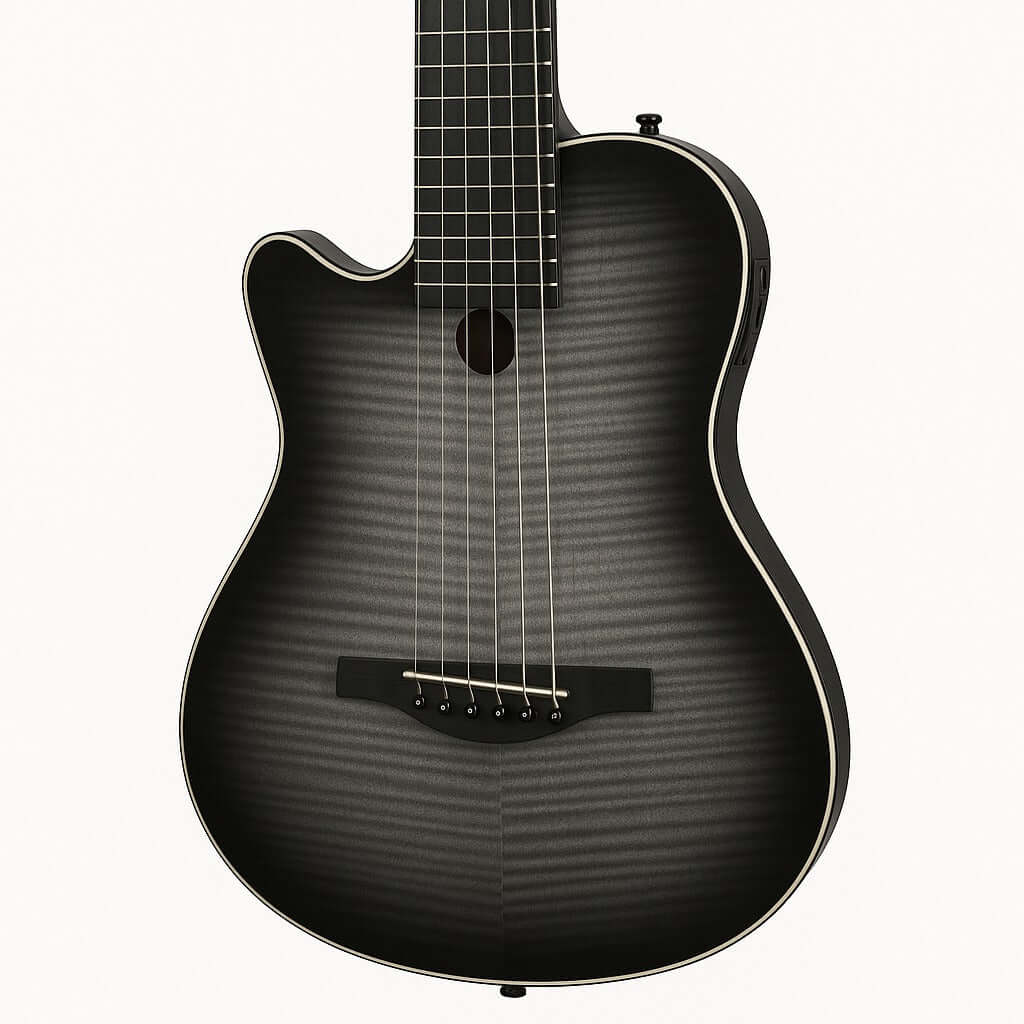
Mythic Phantom ES2 Electric Guitar – Chambered Semi Hollow Body – Flame Maple Top – USA Built
The Mythic Phantom ES2 Electric Guitar features a semi-hollow body design that enhances both acoustic warmth and electric clarity, making it suitable for a variety of playing styles. Its premium tonal woods and set-neck construction provide a balanced sound profile, allowing for expressive playing across genres. Additionally, the onboard expression system offers versatile tone shaping options, catering to musicians seeking dynamic responsiveness in their performances.
View Product