
The Rise of Eco-Friendly Materials in Boutique Guitars
· Wolf
Overview
This article delves into the growing trend of eco-friendly materials in boutique guitar manufacturing, highlighting how musicians and brands are responding to environmental concerns. Readers will learn about the various sustainable materials being used, the benefits of eco-conscious choices, and the impact on sound quality and craftsmanship. Ultimately, the piece emphasizes the importance of sustainability in the music industry and encourages musicians to embrace this movement.
Table of Contents
- The Growing Demand for Eco-Friendly Products
- Understanding Eco-Friendly Materials
- Sustainable Wood Choices
- Innovative Composite Materials
- Eco-Friendly Finishes
- The Impact of Eco-Friendliness on Sound Quality
- Embracing the Eco-Friendly Movement in Boutique Guitars
- Benefits of Choosing Eco-Friendly Guitars
- Future Trends in Boutique Guitar Manufacturing
- The Role of Electric Guitar Production Shops
- Engaging with Eco-Friendly Guitar Brands
- Creating Awareness Through Music Communities
- Let Your Guitar Tell a Story
Key Takeaways
- Growing Demand: Musicians are increasingly seeking eco-friendly products, reflecting a broader shift towards sustainability in various industries.
- Sustainable Wood Alternatives: Boutique guitar makers are using reclaimed wood, sustainable species, and bamboo to minimize environmental impact while enhancing tonal quality.
- Innovative Composites: Materials like eco-composites and HPL are being utilized for their durability and sound quality, providing eco-friendly options without compromising performance.
- Eco-Friendly Finishes: Water-based and natural oil finishes are replacing toxic chemicals, promoting better health and environmental safety in guitar manufacturing.
- Sound Quality Myth: Eco-friendly guitars can rival traditional instruments in sound quality, proving that sustainability does not mean sacrificing performance.
- Unique Aesthetics: Guitars made from alternative woods often showcase unique grain patterns and colors, offering distinct visual appeal.
- Community Engagement: Musicians can support eco-friendly brands by participating in workshops and events, fostering a community focused on sustainability in music.
As musicians become more conscious of their environmental impact, the trend towards using eco-friendly materials in boutique guitar manufacturing has emerged as a leading aspect of modern craftsmanship. This movement not only aligns with global sustainability efforts, but it also resonates deeply with players who value both quality and responsibility. In this article, we will explore the rise of eco-friendly materials in boutique guitars, focusing on how brands are adapting to this trend, the benefits of using such materials, and what it means for the future of electric guitar production.
The Growing Demand for Eco-Friendly Products
In recent years, there has been a noticeable shift towards eco-friendly products across various sectors, including music. This demand is driven by a collective desire to support sustainable practices that protect the planet while still delivering exceptional craftsmanship. Boutique guitar makers are responding to this trend by seeking sustainable alternatives that cater to environmentally-conscious musicians.
Understanding Eco-Friendly Materials
Eco-friendly materials are those that minimize environmental impact during their production and installation. In the context of boutique guitars, these materials may include sustainably harvested woods, alternative composites, and eco-friendly finishes. Let's delve deeper into some of the most commonly used eco-friendly materials in boutique guitar construction.
Sustainable Wood Choices
One of the most significant components in guitar production is the wood used for the body, neck, and fretboard. Traditionally, endangered species like rosewood and mahogany were the go-to choices due to their tonal properties. However, due to increased regulations and overharvesting, boutique guitar makers are turning to more sustainable alternatives.
- Reclaimed Wood: Utilizing reclaimed wood not only reduces waste but also adds character and history to each instrument. Reclaimed woods such as old barn timbers offer unique tonal qualities that modern woods may lack.
- Sustainable Species: Many manufacturers are now opting for woods like maple, ash, or basswood that are harvested from managed forests. These species provide great sound qualities while ensuring the forests are not depleted.
- Bamboo: Bamboo is a rapidly renewable resource that has gained popularity in the guitar-making industry. It offers excellent durability and tonal properties while growing back much faster than traditional woods.
Innovative Composite Materials
In addition to sustainable woods, manufacturers are experimenting with alternative composite materials to create high-quality guitar components. These materials are often engineered to provide durability, longevity, and superior sound quality.
- Resin and Eco-Composite: Made from recycled materials, eco-composites can mimic the organic properties of wood while offering increased stability and resistance to environmental changes.
- HPL (High-Pressure Laminate): This material is made from recycled wood fibers and provides a stable and eco-friendly option for guitar necks and bodies without compromising sound quality.
Eco-Friendly Finishes
Finishing processes have traditionally relied on toxic chemicals that can emit volatile organic compounds (VOCs). However, boutique guitar makers are leaning towards eco-friendly finishes that reduce harmful emissions and improve environmental safety.
- Water-Based Finishes: These finishes are less toxic and have lower VOC content compared to traditional lacquer. They allow for vibrant colors and excellent protection while being better for both the environment and the health of craftspeople.
- Natural Oil Finishes: Oils derived from plants, such as linseed or tung oil, provide a non-toxic alternative that enhances the wood's beauty while offering a sustainable choice for finishing.
The Impact of Eco-Friendliness on Sound Quality
There is a common misconception that eco-friendly materials compromise sound quality. However, many boutique guitar makers have proven that this is not the case. Instruments made with sustainable materials can perform exceptionally, even rivaling their traditional counterparts in both tonal and structural qualities.
For instance, the Mythic Valkyrie Electric Guitar, with its resonant alder body and solid maple top, exemplifies how sustainable craftsmanship can merge performance and eco-friendliness. A balance of rich tone, sustain, and playability emerges from well-chosen materials that respect both the environment and the needs of the player.
Embracing the Eco-Friendly Movement in Boutique Guitars
Musicians today appreciate the narrative behind their instruments. Purchasing a guitar made from eco-friendly materials often means choosing a story of sustainability, craftsmanship, and innovation. This not only connects players to their instruments on a deeper level but also fosters a growing community of environmentally conscious musicians.
Benefits of Choosing Eco-Friendly Guitars
Investing in an eco-friendly boutique guitar offers numerous advantages, both for players and the environment:
- Unique Aesthetics: Guitars crafted from reclaimed or alternative woods often feature one-of-a-kind grain patterns and colors that set them apart visually.
- Quality Craftsmanship: Boutique guitar makers frequently prioritize quality, ensuring that every instrument is meticulously built to withstand the test of time.
- Supporting Sustainable Practices: By choosing eco-friendly guitars, players contribute to responsible manufacturing processes and forest preservation.
Future Trends in Boutique Guitar Manufacturing
The trend towards eco-friendliness in boutique guitars is likely to continue growing as more musicians seek sustainable options. This could lead to a transformation in how guitars are made and sold, with a greater emphasis on transparency regarding sourcing and manufacturing practices.
The Role of Electric Guitar Production Shops
As electric guitar production shops embrace sustainability, they will play a significant role in shaping the industry. The Mythic Valkyrie Electric Guitar serves as an excellent example of how brands can integrate eco-friendly materials while delivering premium performance. Electric guitar production shops that prioritize sustainable practices attract conscious consumers and pave the way for a greener future.
Engaging with Eco-Friendly Guitar Brands
Musicians can actively support the rise of eco-friendly boutique guitars by engaging with brands that prioritize sustainability. Following their social media channels, attending workshops, and participating in eco-conscious events not only fosters community but spreads awareness about sustainable choices in the music industry.
Creating Awareness Through Music Communities
The role of community cannot be underestimated in this movement. Musicians are influential and their choices impact their fans and followers. By sharing stories of sustainable practices and promoting eco-friendly brands, musicians can create a ripple effect that encourages more environmentally-conscious choices throughout the industry.
Let Your Guitar Tell a Story
When you choose a boutique guitar made from eco-friendly materials, you’re not just investing in an instrument; you’re supporting a movement towards a sustainable future in music. The rise of eco-friendly materials in boutique guitars represents a harmonious blend of tradition, innovation, and social responsibility. Whether you’re passionate about sustainability or simply love beautifully crafted instruments, there’s never been a better time to join the eco-friendly guitar revolution.
Frequently Asked Questions
1. What are eco-friendly materials in boutique guitar manufacturing?
2. How are boutique guitar makers responding to the demand for eco-friendly products?
3. What types of sustainable wood choices are being used in boutique guitar production?
4. Do eco-friendly materials compromise sound quality in guitars?
5. What are the benefits of choosing eco-friendly boutique guitars?
Glossary
| Term | Meaning |
|---|---|
| Eco-Friendly Materials | Materials that minimize environmental impact during production. |
| Sustainable Wood | Wood sourced from managed forests to prevent depletion. |
| Reclaimed Wood | Wood repurposed from old structures, reducing waste. |
| Bamboo | A rapidly renewable resource used for its durability. |
| Eco-Composite | Materials made from recycled substances mimicking wood. |
| Water-Based Finishes | Less toxic finishes with lower volatile organic compounds. |
| Natural Oil Finishes | Plant-derived oils providing a non-toxic finishing option. |
| Quality Craftsmanship | High standards in building instruments for durability. |
| Sustainable Practices | Methods that support environmental conservation in production. |
| Electric Guitar Production | The process of manufacturing electric guitars sustainably. |
Linked Product
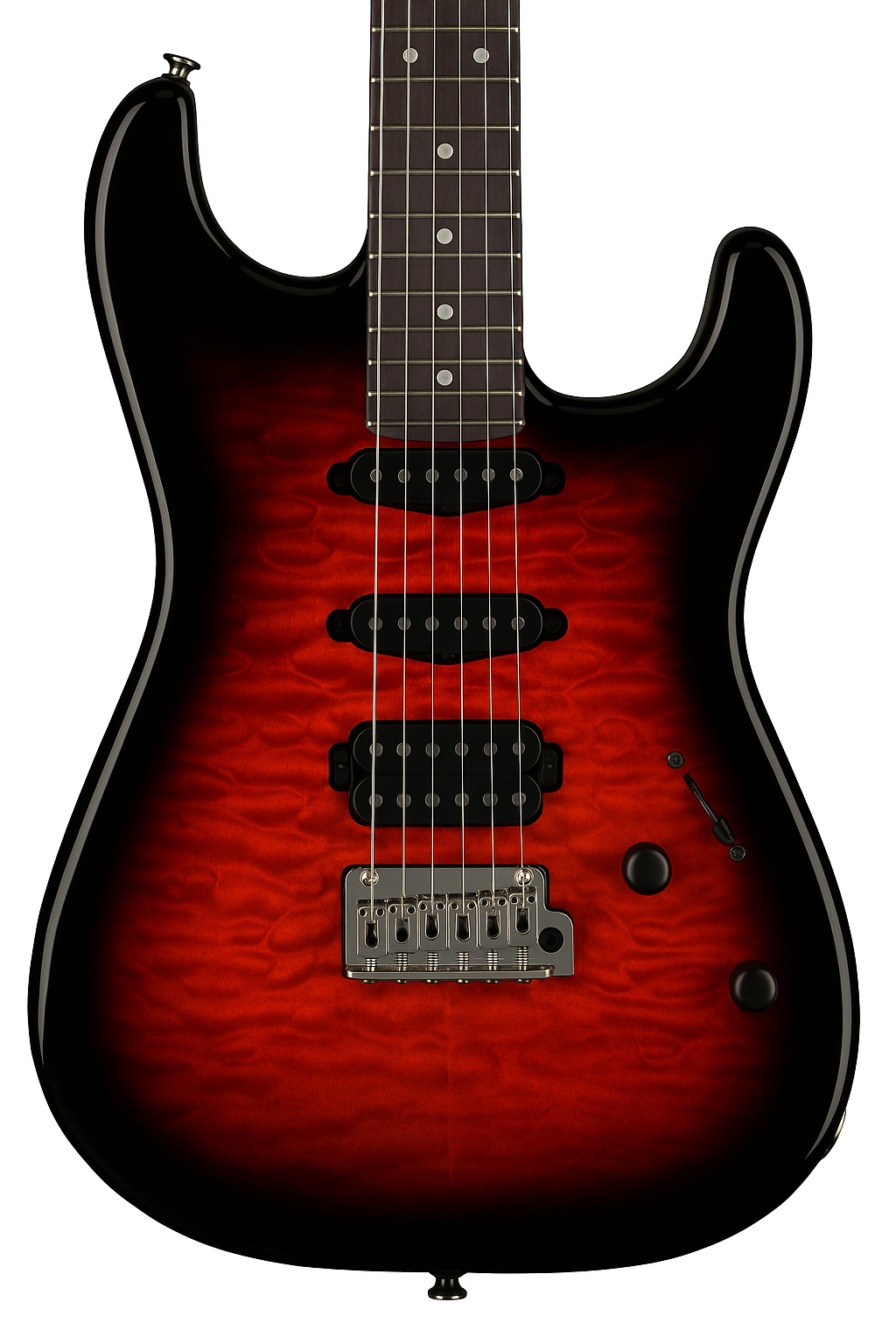
Mythic Valkyrie Electric Guitar – Modern Super Strat – Dual Humbucker – USA Made
The Mythic Valkyrie Electric Guitar is designed for high-performance players seeking speed, precision, and tonal versatility. With features like a resonant alder body, solid-maple top, and three hand-made pickups, it offers a wide range of tonal options through its custom 10-position selector and dual push/pull controls. Its fast neck and locking hardware ensure effortless playability and tuning stability, making it suitable for aggressive playing styles.
View Product