
The Evolution of Custom Guitars: A Timeless Journey
· Wolf

Overview
Custom guitars have evolved significantly from the 1950s to today, reflecting changes in music styles and technology. This blog explores key innovations, the rise of customization, and the impact of digital technology on guitar manufacturing. It highlights the importance of sustainability and the global community of musicians and builders, encouraging readers to embrace the uniqueness of custom instruments that resonate with their musical identity.
Frequently Asked Questions
1. What are custom guitars and why are they significant?
2. How did custom guitars evolve in the 1950s and 1960s?
3. What technological advancements influenced custom guitars in the 1980s?
4. How did the 1990s change the landscape of custom guitar manufacturing?
5. What current trends are shaping the custom guitar market?
Custom guitars have always held a special place in the hearts of musicians and music enthusiasts alike. The journey of these instruments from their inception to the present day reflects not only technological advancements but also shifts in musical styles and cultural movements. This blog post delves into the evolution of custom guitars over the decades, highlighting key moments and innovations that have shaped the landscape we know today. Whether you’re an eager player or simply a lover of music, understanding this evolution can enhance your appreciation for the fine craftsmanship embedded in each custom instrument.
The Beginnings: The 1950s and 1960s
The roots of custom guitars can be traced back to the post-World War II era. As soldiers returned home, music became a common thread in the cultural tapestry of the United States. The rise of rock ‘n’ roll demanded electric guitars that could handle the intensity of this new sound.
Innovations in Design
In this era, iconic brands were observing the surge in demand for specialized and unique instruments. Luthiers began experimenting with various wood types, neck shapes, and electronic configurations. One of the prime examples of innovative design is the Fender Telecaster, which became a staple for artists across various genres. With distinct body shapes and customized neck options like the Mythic Odyssey Solaris Tele Fat Neck SC, players were able to adapt their instruments to suit personal styles.
Customization Takes Flight
As the music scene evolved, so did the desires of the artists. Musicians wanted more from their guitars, paving the way for customized neck profiles and finishes. This growing trend birthed a new wave of luthiers, many of which operated from small workshops, including the renowned Austin Texas guitar factory, where local builders began delivering personalized instruments that resonated with the sound and aesthetic preferences of the time.
The 1970s: Rock 'n' Roll and Experimentation
The 1970s marked a significant transition in music, with the rise of heavy metal and funky grooves. Guitarists demanded instruments that could withstand any playing style, prompting custom builders to up their game.
New Materials and Technology
This decade saw the introduction of novel materials that complemented traditional woods. Laminates and composites began appearing in guitar design, providing options for durability and unique sound profiles. Builders experimented with additional electronics, allowing for tonal variations that were previously unimaginable. This period was crucial for advancing the capabilities of custom guitars.
Rarity and Personalization
As music became synonymous with individual identity, so too did guitars. Custom aesthetics became a major selling point. Artists like Jimi Hendrix and Eric Clapton customized their guitars to reflect personal flair, which drew massive attention to the potential of unique designs. The demand for custom finishes, intricate inlays, and personalized colors jumped, pushing more luthiers to cater to these needs.
The 1980s: Innovation and the Rise of Brands
Signature Models and Collaborations
Instrument manufacturers recognized this growing trend, and custom models inspired by famous guitarists emerged. Many brands began producing signature lines that represented the unique playing styles and preferences of notable musicians. Whether it was intricate carvings or specialized pickups, these models offered something that mass-produced guitars couldn't—exclusivity.
The Role of Technology
With advancements in manufacturing technology, the precision with which guitars were made increased exponentially. CNC machines allowed luthiers to create parts with perfect accuracy, thereby maintaining consistency while also enabling them to experiment with extreme customization options. This mechanical evolution coincided with artists finding themselves at the center of a burgeoning market for custom instruments.
The 1990s: Affordability Meets Quality
The 1990s saw the democratization of guitar manufacturing, as the gap between high-quality custom instruments and lower-priced options began to narrow. The influx of global suppliers led to increased competition, facilitating affordability without sacrificing quality.
Mass Customization and the Birth of Online Stores
As consumer preferences shifted towards personalized instruments, online platforms began to emerge, allowing musicians from around the globe to design their guitars. Websites provided the freedom to choose everything from wood type to hardware finishes. This emergence of mass customization offered players a way to own instruments that felt tailor-made to them.
Emerging Genres and New Demands
The explosion of alternative, grunge, and punk rock music during this decade required guitars that could deliver specific sounds. Custom luthiers adapted to fulfill these new demands, resulting in innovative designs and styles. For example, characteristics unique to genres such as grunge called for heavier guitars often equipped with specialized pickups and thicker necks.
The 2000s and Beyond: The Digital Revolution
The dawn of the 21st century introduced completely new ideas into the world of customizable guitars. Digital technology transformed the music landscape, and it inevitably found its way into instrument design.
Digital Customization
Luthiers began employing sophisticated software to help design guitars. Players can now visualize their custom guitars through a computer interface, selecting their desired elements down to minute details. From the wood grain texture to the neck shape and color, the guitar-making process has never been more interactive.
Rise of the Boutique Builders
This period also saw an emergence of boutique guitar builders who focused on creating limited-run, high-quality instruments. Unlike traditional mass manufacturers, boutique builders attend to each piece with a level of craftsmanship that embodies artistry. Each instrument becomes a unique piece of work, often reflecting the artist's aesthetic vision. Mythic Odyssey Solaris Tele Fat Neck SC is a great example of how a boutique model can convey the essence of personalized design.
Where We Are Today
Today, the custom guitar market continues to thrive, fueled by a community of passionate musicians yearning for instruments that truly represent their sound and style. The conversation around custom guitars has shifted significantly; it's no longer just about aesthetics or brand prestige—it's about the very soul of the instrument itself.
Sustainability in Custom Guitars
As caring for our environment becomes increasingly important, sustainability is now a crucial factor in guitar manufacturing. Many modern builders seek to use sourced and reclaimed woods, dramatically reducing the environmental impact. This shift resonates with a growing audience of musicians who prefer eco-friendly options while maintaining a desire for unique sound characteristics.
The Global Community
Realities of the internet era have fostered a global community of guitarists, luthiers, and enthusiasts. Musicians connect, share their creations, and even trade instruments that define personal milestones. The online presence of small builders has made it easier than ever to explore a wide array of custom guitars available around the world—from an Austin Texas guitar factory to makers nestled in quiet corners of the globe.
Unlocking Your Dream Guitar
The evolution of custom guitars serves as a testament to the creative ingenuity and passionate craftsmanship of countless builders around the world. Whether you’re an aspiring musician or a collector looking for your next prized instrument, understanding the journey of custom guitars over the decades can inspire your quest to find one that resonates with you. Embrace the uniqueness, explore options, and immerse yourself in the alluring world of custom guitars that continue to evolve with every note played.
Your instrument is an extension of who you are, so don't hesitate to explore the wonders of customization. Take your time, delve into design elements, and find a guitar that mirrors your musical identity. The journey is as enriching as the sounds that come from any stringed work of art.
Linked Product
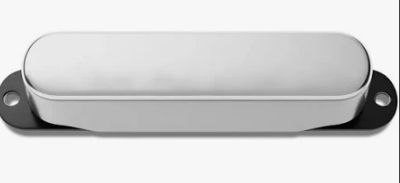
Mythic Odyssey Solaris Tele Fat Neck SC
The Mythic Odyssey Solaris Tele Fat Neck SC is designed for guitarists who want to enhance their Telecaster's tonal range, particularly in the neck position. With its hand-wound construction and Alnico V magnets, this pickup provides a fuller low-end and rich midrange, making it suitable for various styles, including blues and rock. Its durable materials and precise assembly ensure reliable performance and clarity, offering a versatile option for players looking to deepen their sound.
View Product