
Cultural Influences on Guitar Design Across Regions
· Wolf
Overview
This article delves into the rich cultural influences that shape guitar design across the globe, highlighting how regional customs and musical traditions contribute to the unique characteristics of various guitars. Readers will explore the evolution of both acoustic and electric guitars, the craftsmanship of luthiers, and the impact of technology on modern designs. Ultimately, it emphasizes the guitar's role as a cultural mosaic that connects musicians and listeners through shared musical experiences.
Table of Contents
- The Global Landscape of Guitar Design
- Traditional Roots: Acoustic Guitars Around the World
- The Electric Evolution: Stratocasts and Their Regional Variants
- The Craftsmanship of Guitar Makers
- The Art of Handcrafted Guitars
- Regional Styles and Their Cultural Significance
- The Guitar: A Cultural Mosaic
- The Global Fusion of Music Styles
- Impact of Technology on Guitar Design
- Material Innovations
- Digital Advancements in Sound
- The Future of Guitar Design: A Cross-Cultural Dialogue
- Harnessing Cultural Influences
- Tuning Into the Heart of Cultural Resonance
Key Takeaways
- Cultural Significance: Guitars reflect the musical heritage and regional customs of various cultures, showcasing unique designs and styles.
- Evolution of Acoustic Guitars: Traditional acoustic guitars, like the Spanish guitar and Brazilian viola caipira, highlight local musical traditions and craftsmanship.
- Impact of Electric Guitars: The Fender Stratocaster and its variants, including the Super Strat guitar, revolutionized sound and design, blending modern technology with cultural aesthetics.
- Role of Luthiers: Skilled guitar makers use traditional techniques, such as "tap-tuning," to create instruments with distinct tonal qualities.
- Global Fusion: Musicians are increasingly blending traditional and contemporary music styles, leading to innovative guitar designs that cater to diverse genres.
- Technological Advancements: New materials and digital technologies are transforming guitar design, enhancing sound quality and aesthetic appeal.
- Future of Guitar Design: Ongoing cultural dialogues among luthiers promise innovative designs that honor heritage while embracing modern influences.
The guitar is more than just an instrument; it represents the essence of cultural expression across different regions of the world. From traditional folk music to the electrifying sounds of rock 'n' roll, the design of guitars has been shaped by various cultural influences. In this blog, we will explore how regional customs, musical heritage, and craftsmanship contribute to the unique designs of guitars, including the versatile Super Strat guitar and the innovative professional ghost builder guitars.
The Global Landscape of Guitar Design
Understanding the cultural influences on guitar design requires a look at how these instruments have evolved in different geographic locations. Each region's history, musical style, and available materials play a critical role in shaping the distinctive characteristics of their guitars.
Traditional Roots: Acoustic Guitars Around the World
Many cultures have developed their own acoustic guitar styles, reflecting local tastes and musical traditions. For instance, the Spanish guitar, with its intricate soundhole designs and nylon strings, is renowned for its warm tone, making it ideal for flamenco and classical music. Similarly, the Brazilian viola caipira is characterized by its unique tuning and string configuration, allowing for the layered melodies typical in Brazilian folk music.
In Asia, the sitar and other stringed instruments showcase a variety of features that differ from conventional guitars, demonstrating the global diversity in string instrument design. However, with the increasing globalization of music, many musicians are blending these traditional instruments with modern designs, resulting in fascinating new hybrids.
The Electric Evolution: Stratocasts and Their Regional Variants
The introduction of electric guitars marked a revolution in musical expression. The Fender Stratocaster, for example, has inspired countless variations in design, including the widely popular Super Strat guitar. These instruments often feature advanced electronics and versatile pickup configurations that allow musicians to experiment with a wide range of sounds.
Interestingly, the Super Strat guitar has also influenced local designs, adapting to cultural tastes and preferences. In Japan, various guitar luthiers have created their own versions, incorporating elements from traditional Japanese aesthetics. The results are not just adaptations but beautiful representations of the harmony between modern technology and cultural artistry.
The Craftsmanship of Guitar Makers
The skill of the luthier is paramount in guitar design. Each region has its own traditions and techniques passed down through generations. In Spain, for instance, luthiers use a method called "tap-tuning," where the wood is tested for resonant frequencies, ensuring each guitar has its unique voice.
The Art of Handcrafted Guitars
In the United States, there is a burgeoning culture of “ghost builders” who create professional ghost builder guitars. These artisans may work anonymously for some of the biggest names in the music industry, designing instruments that often become iconic. This practice highlights another aspect of cultural influence, where the anonymity of creators allows for a fusion of ideas across different musical genres.
Furthermore, many regions are known for their unique materials, which are integral to the guitar-making process. For example, tropical hardwoods like mahogany and rosewood are highly favored in many parts of the world for their resonant qualities, while unique woods from different regions often carry specific cultural significance or aesthetic preferences.
Regional Styles and Their Cultural Significance
- North America: Bluegrass and country music have heavily influenced guitar designs, prompting variations like the resonator guitar.
- South America: The charango, made from armadillo shells, offers a direct connection to local traditions and history.
- Asia: Instruments like the shamisen show the blending of string instruments to create unique soundscapes.
- Africa: The kora and ngoni exemplify traditional craftsmanship with a focus on storytelling through music.
The Guitar: A Cultural Mosaic
The evolution of guitar design is a tapestry woven from diverse cultural influences. Every region has its unique story to tell through its instruments, emphasizing the importance of cultural context in music. The Super Strat guitar and professional ghost builder guitars are perfect examples of how traditional and contemporary elements can mesh to create instruments that resonate with musicians worldwide.
The Global Fusion of Music Styles
Today, guitar players across the globe are pushing boundaries in eclectic musical styles that transcend geographic boundaries. Musicians often blend their native music traditions with modern genres, which fuels innovation in guitar design. For example, the incorporation of flamenco techniques in rock music results in uniquely styled guitars that cater to both genres, enhancing the playing experience.
Guitar festivals and international competitions have further bridged the gap among cultures and have become platforms for sharing various guitar designs. Here, players showcase different styles and techniques which can lead to new trends in guitar development.
Impact of Technology on Guitar Design
In addition to cultural influences, technology has dramatically transformed guitar design. The introduction of new materials and computerized manufacturing processes has led to innovative advancements in the guitar-making industry, affecting everything from sound quality to aesthetics.
Material Innovations
Modern luthiers are experimenting with composite materials and alternative woods due to environmental concerns regarding traditional hardwoods. For instance, using materials like bamboo or recycled carbon fibers not only contributes to sustainable practices but also allows for experimentation with new sound properties.
Digital Advancements in Sound
The integration of technology in the form of onboard effects, MIDI capabilities, and digital interfaces has driven the evolution of guitars, allowing them to fit various genres and playstyles. Such advancements make instruments more versatile, appealing to a wider audience while being rooted in cultural influences.
The Future of Guitar Design: A Cross-Cultural Dialogue
As our world continues to evolve and cultures intermingle, so too will the design of guitars, fostering new connections among musicians. The Super Strat guitar and professional ghost builder guitars are part of a larger conversation between tradition and innovation, demonstrating that the past informs the future.
Harnessing Cultural Influences
As we move forward, guitar designers and builders can harness cultural influences to create instruments that resonate with a global audience. Collaborations between luthiers from different regions can lead to innovative designs that uphold heritage while incorporating modern aesthetics and materials.
This ongoing dialogue will not only enrich the art of guitar making but also lead to a broader understanding of the diverse cultural landscapes that shape our musical experiences. Whether you’re picking up a Super Strat guitar or an intricately designed professional ghost builder guitar, the depth of cultural narrative incorporated into guitar design enhances your playing experience.
Tuning Into the Heart of Cultural Resonance
The beauty of the guitar lies in its ability to connect people across cultures and generations. Each strum tells a story, weaving a narrative that embodies the influences of diverse regions around the world. As we embrace these cultural dimensions in guitar design, we indulge in a continuous process of creation that enriches both musicians and listeners alike. With every note played, the guitar becomes not just an instrument, but a testament to the rich tapestry of human experience.
Frequently Asked Questions
1. What is the significance of the guitar in cultural expression?
2. How have traditional acoustic guitars evolved in different cultures?
3. What role does technology play in modern guitar design?
4. What are professional ghost builder guitars?
5. How does globalization affect guitar design and music?
Glossary
| Term | Meaning |
|---|---|
| Guitar | A stringed instrument used in various music genres. |
| Super Strat | A versatile electric guitar known for its advanced electronics. |
| Acoustic Guitar | A guitar that produces sound acoustically without electronic amplification. |
| Luthier | A craftsman who builds and repairs stringed instruments. |
| Ghost Builder | An anonymous guitar maker who designs for well-known brands. |
| Stratocaster | A classic electric guitar model known for its distinctive shape and sound. |
| Flamenco | A passionate style of music and dance originating from Spain. |
| Charango | A small Andean string instrument traditionally made from armadillo shells. |
| Kora | A West African string instrument used in storytelling through music. |
| Composite Materials | New materials used in guitar making for sustainability and sound innovation. |
Linked Product
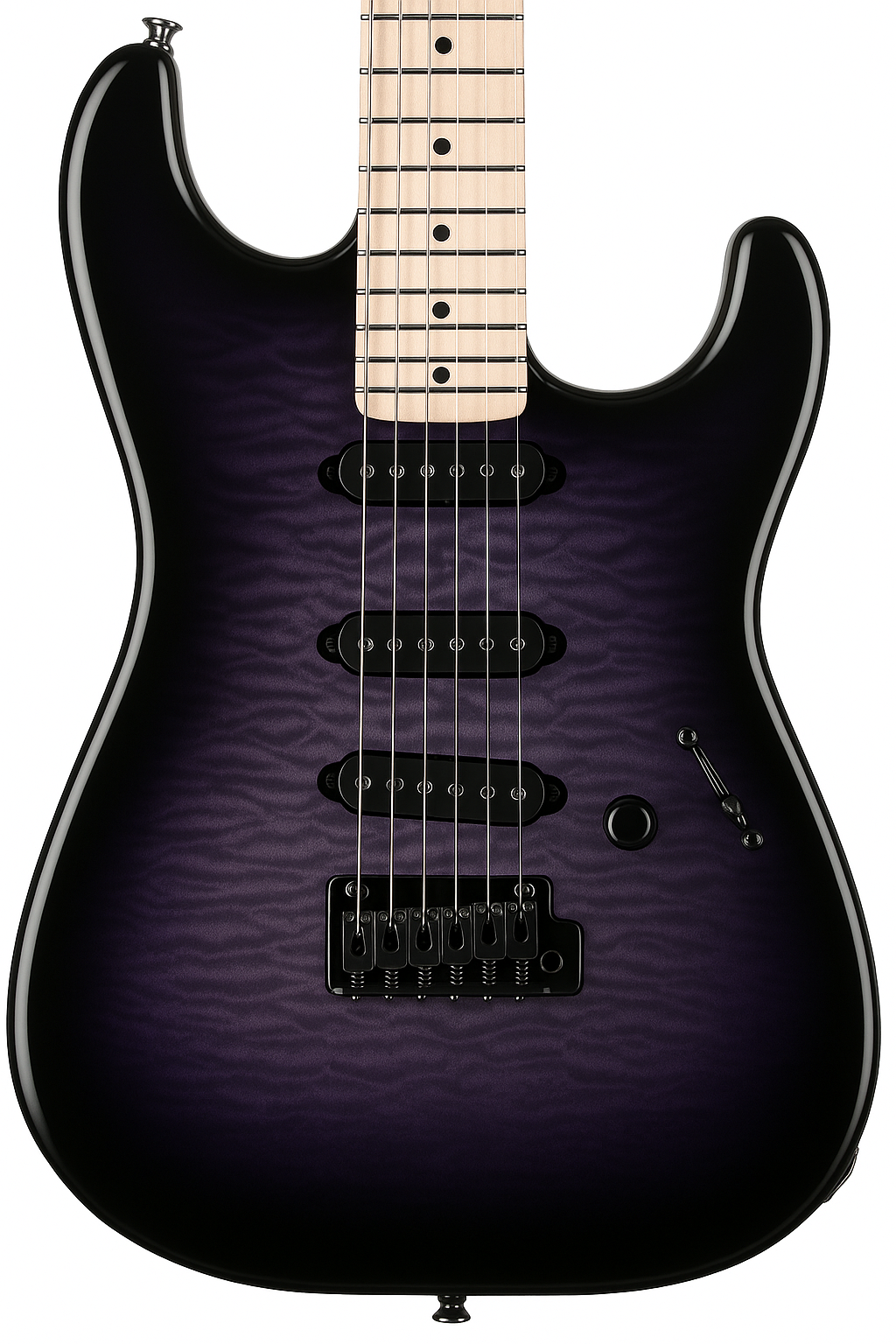
Mythic Valkyrie Electric Guitar – Modern Super Strat – Dual Humbucker – USA Made
The Mythic Valkyrie Electric Guitar is designed for high-performance playing, offering speed and precision with its fast 16" fingerboard radius and 24 jumbo frets. Its dual humbucker setup and custom 10-position selector provide a wide range of tonal options, while features like coil-splitting enhance versatility. Built in the USA with a focus on quality craftsmanship, this guitar is ideal for musicians seeking a reliable instrument for aggressive play.
View Product