
The Art of Crafting a High-Quality Guitar
· Wolf
Overview
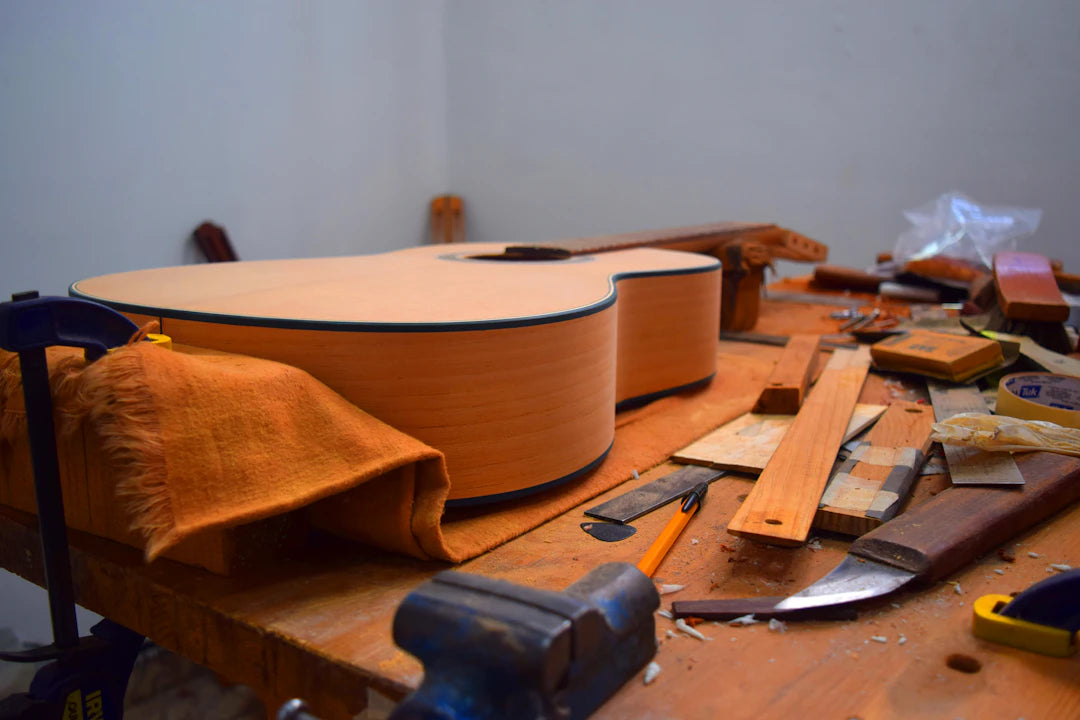
Building a premium electric guitar involves a meticulous process of selecting quality materials, skilled craftsmanship, and precise installation of components. Each stage, from choosing the right wood to applying the final finish, reflects dedication and artistry. Quality control ensures optimal performance, making these instruments reliable and desirable for musicians. Investing in a premium guitar enhances your musical journey and fosters a deep connection between the builder and player.
Table of Contents
- The Foundation: Selecting Quality Materials
- Types of Wood Used in Guitar Building
- The Craftsmanship: Shaping the Guitar
- Shaping the Body and Neck
- Installation of Components
- Wiring and Electronics
- The Finishing Touch: Paint and Polish
- Types of Finishes
- The Importance of Quality Control
- From Builder to Player: The Journey of a Guitar
- Investing in Premium Quality
- Crafting Your Sound: Characteristics of a Quality Guitar
- The Guitar Community: Celebrating Craftsmanship
- Your Next Strum Awaits!
Key Takeaways
- Material Selection: The choice of wood, such as mahogany, alder, maple, and ebony, greatly influences the guitar's tone and playability.
- Crafting Techniques: Skilled luthiers use both traditional and modern methods to shape the guitar, ensuring precise measurements and aesthetics.
- Component Installation: Pickups, pots, and hardware must be installed with care to achieve optimal performance and sound quality.
- Finishing Process: The final finish protects the wood and enhances visual appeal, with options like glossy, matte, and satin finishes.
- Quality Control: Rigorous testing and inspection ensure each guitar meets high standards for sound quality and playability.
- Investment in Quality: Premium guitars offer superior craftsmanship and materials, making them a worthwhile investment for musicians.
- Community Connection: Building guitars fosters a vibrant community of musicians and artisans, celebrating craftsmanship and shared techniques.
Building a premium electric guitar is more than just assembling wood and strings; it is an intricate process that blends artistry and engineering. Each guitar is a reflection of dedication, passion, and craftsmanship. High-quality guitars aren’t just made; they are carefully crafted through meticulous attention to detail and a deep understanding of the materials used. In this blog post, we will explore the fascinating process behind building a premium electric guitar, delving into every stage of the small batch guitar production journey.
The Foundation: Selecting Quality Materials
The first step in creating a premium electric guitar is selecting the right materials. The choice of wood is crucial as it influences the instrument's tone, aesthetics, and playability. Different types of wood have varying acoustic properties, affecting how sound resonates within the guitar.
Types of Wood Used in Guitar Building
- Mahogany: Known for its warm, mellow tones, mahogany is a popular choice for electric guitar bodies.
- Alder: This wood offers a balanced tone and good resonance, often used for solid-body guitars.
- Maple: Characterized by its bright sound and stunning visuals, maple is commonly used for tops and necks.
- Ebony: Frequently chosen for fretboards, ebony provides a smooth playing surface and enhances tonal clarity.
Beyond wood selection, hardware components like pickups, bridges, and tuners also play a significant role in the overall quality of the instrument. Builders often seek out high-end materials to complement their wood choices, underlining their commitment to producing a premium electric guitar.
The Craftsmanship: Shaping the Guitar
Once the materials are selected, the actual crafting begins. Skilled luthiers employ both traditional and modern techniques to fashion the guitar's body and neck, ensuring a perfect fit and feel. This stage involves precise measurements and meticulous shaping to achieve the desired aesthetics and tonal characteristics.
Shaping the Body and Neck
The body of the guitar is typically carved from a single piece or joined wood, creating a seamless structure that enhances resonance. Luthiers will often use CNC machines for accuracy, but many still prefer to incorporate hand tools for finer details, reflecting the human touch in the small batch guitar production process.
The neck is equally as important as the body. It needs to be comfortable for the player, so ergonomics is a key consideration. Neck profiles can vary widely, each catering to different playing styles and preferences. This careful consideration ensures that every premium electric guitar feels just right in the player's hands.
Installation of Components
Once the body and neck are shaped and sanded, it's time to install the various components that make up the guitar. This includes pickups, pots, and hardware like tuners and bridges, all of which contribute to the performance and sound of the instrument. Each of these components must be installed with precision to ensure the guitar functions seamlessly.
Wiring and Electronics
In this stage, the guitar is wired with pickups and electronic components, such as potentiometers and capacitors. This is where the electrical side of a premium electric guitar comes into play. Quality wiring materials can influence the guitar's tone and overall performance. Luthiers pay keen attention to this stage, ensuring that no detail is overlooked.
The Finishing Touch: Paint and Polish
The final step in building a premium electric guitar is the finishing. This not only gives the instrument its visual appeal but also protects the wood from moisture and wear. Finishing can vary from simple varnishes to complex lacquer jobs, each requiring time and skill to apply correctly. A well-finished guitar not only looks stunning but also contributes to the instrument's sustainability over time.
Types of Finishes
- Glossy Finish: Offers a shiny, polished appearance that is visually striking.
- Matte Finish: Gives a more subtle look, often preferred for its understated elegance.
- Satin Finish: A middle ground between glossy and matte, providing a smooth feel without high shine.
The Importance of Quality Control
Quality control is a critical aspect of the small batch guitar production process. After assembly, each guitar undergoes rigorous testing and inspection to ensure it meets high standards. Luthiers play, listen, and fine-tune every instrument, making necessary adjustments to ensure optimal sound quality and playability.
This attention to detail not only enhances the performance of the guitar but also builds trust with customers who seek a reliable, premium electric guitar. Each instrument is a testament to the dedication of its maker, reflecting a commitment to craftsmanship and quality.
From Builder to Player: The Journey of a Guitar
Once the guitar has passed the quality checks, it is considered ready for its new home. Luthiers take great pride in their work, and the moment the guitar leaves their workshop is both exhilarating and bittersweet. This connection between builder and player is a significant part of the guitar's story, echoing through riffs and melodies played on it.
Many musicians who play premium electric guitars find that the instrument not only meets their professional needs but also becomes an extension of their artistic expression. The unique qualities of each guitar foster a deep relationship, enhancing the creative journey for every player.
Investing in Premium Quality
Investing in a high-quality guitar is more than a financial commitment; it’s an investment in your musical journey. Higher quality guitars, often produced in small batches, generally offer superior craftsmanship, better materials, and improved sound compared to mass-produced models. Whether you’re an aspiring musician or a seasoned professional, a premium electric guitar can provide the quality and reliability you need to enhance your playing experience.
Crafting Your Sound: Characteristics of a Quality Guitar
What makes a premium electric guitar stand out in both craftsmanship and sound? There are several key characteristics that define a high-quality instrument:
- Tonal Versatility: A well-crafted guitar should accommodate a variety of playing styles, from strumming to intricate solos.
- Playability: Comfort in hand, weight distribution, and fretboard accessibility should all contribute to an enjoyable playing experience.
- Aesthetics: From wood grain to finish, a beautiful instrument inspires both creator and player.
- Reliability: With quality materials and craftsmanship, a premium electric guitar should withstand the test of time.
The Guitar Community: Celebrating Craftsmanship
Building high-quality guitars is not just about creating instruments; it is about being part of a vibrant community of musicians and artisans. This community thrives on shared knowledge, techniques, and the celebration of craftsmanship. Workshops, showcases, and music festivals often highlight luthiers and their creations, fostering a connection among builders and players alike.
Furthermore, as consumers become more knowledgeable about the craft, they increasingly appreciate the nuances of small batch guitar production, which adds to the value of their investment. Shopping for a premium electric guitar becomes a journey of discovery, understanding, and connection.
Your Next Strum Awaits!
Embarking on a musical journey begins with the right instrument, and nothing compares to the experience of playing a premium electric guitar that has been crafted with care and attention to detail. From the quality materials chosen to the precision in crafting and finishing, every step ensures that what you hold in your hands is more than just a guitar; it is a work of art. Capture your sound, express your artistry, and let the world experience the magic of music through your unique melody! Explore your premium electric guitar options today and find the perfect instrument to accompany your musical journey!
Frequently Asked Questions
1. What are the primary materials used in building a premium electric guitar?
2. How is the shaping of the guitar's body and neck accomplished?
3. What role does quality control play in guitar production?
4. Why are premium electric guitars considered an investment?
5. How does craftsmanship impact the characteristics of a quality guitar?
Glossary
| Term | Meaning |
|---|---|
| Premium Electric Guitar | A high-quality guitar crafted with superior materials and craftsmanship. |
| Luthier | A skilled artisan who builds and repairs stringed instruments. |
| Acoustic Properties | The characteristics of wood that affect sound resonance and tone. |
| Pickups | Devices that capture string vibrations and convert them into electrical signals. |
| Finishing | The process of applying protective and aesthetic coatings to the guitar. |
| Quality Control | The process of testing and inspecting guitars to ensure high standards are met. |
| Tonal Versatility | The ability of a guitar to produce a range of sounds suitable for various styles. |
| Ergonomics | The design consideration for comfort and usability in guitar necks and bodies. |
| Small Batch Production | A method of crafting a limited number of guitars, ensuring attention to detail. |
| Wood Selection | The process of choosing specific types of wood to influence sound and aesthetics. |
Linked Product
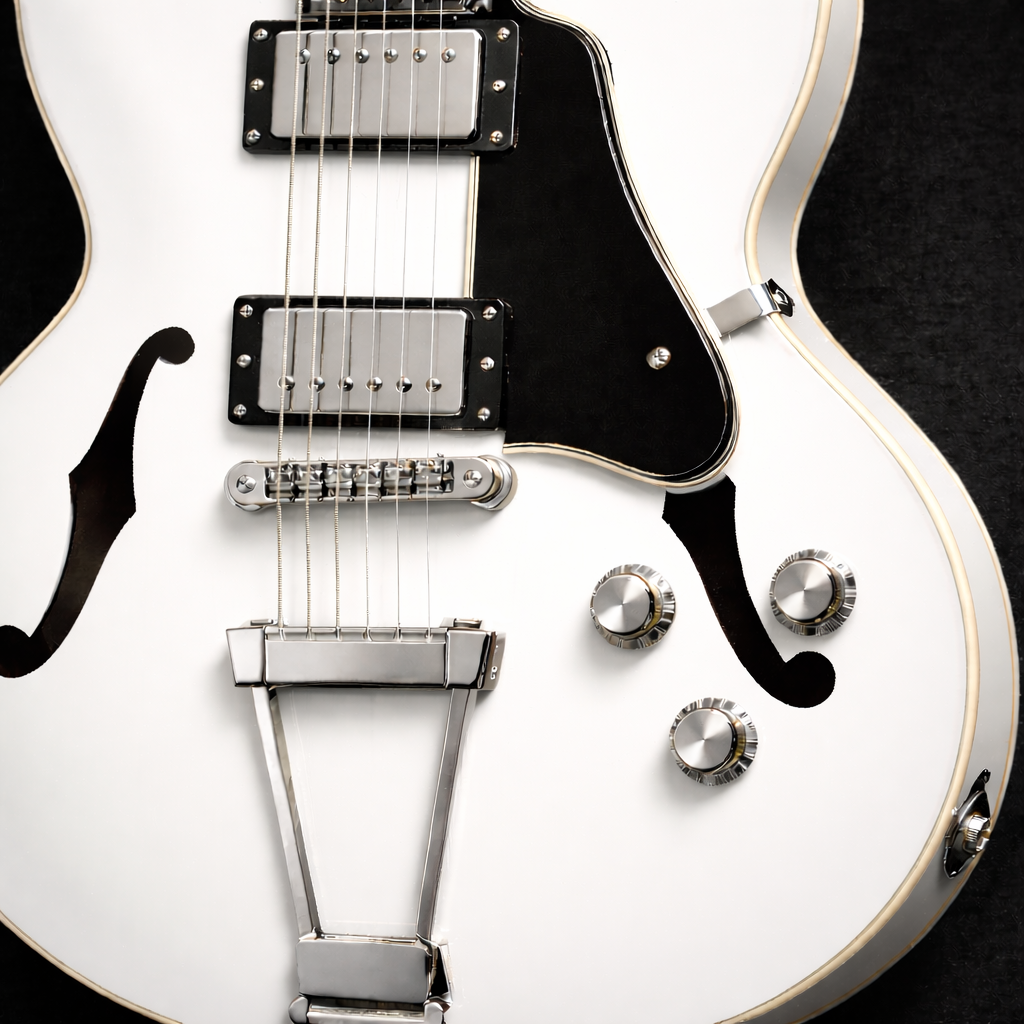
Mythic Avalon Semi Hollow Electric Guitar – Dual Humbucker – Maple Top – USA Made
The Mythic Avalon Semi Hollow Electric Guitar features a premium thinline design that combines warmth and modern precision, making it suitable for a variety of musical styles. Its fully capped flame maple top and tone-selected mahogany back produce a rich, resonant sound, while the set maple neck ensures smooth playability. This USA-made guitar is crafted for both studio recordings and live performances, providing reliable, polished tone for any guitarist.
View Product