
The Art of Choosing Materials for Boutique Guitars
· Wolf
Overview
Understanding material selection is crucial in boutique guitar making, as it significantly impacts sound quality, durability, and aesthetics. Different woods and metals influence tonal characteristics, sustain, and visual appeal, making informed choices essential for musicians. Brands like Mythic Odyssey Solaris Tele utilize this knowledge to create exceptional instruments, enhancing the player's emotional connection and overall experience.
Frequently Asked Questions
1. Why is material selection important in boutique guitars?
2. What are the primary components of a guitar affected by material choice?
3. How do different woods affect the tonal characteristics of a guitar?
4. What role does aesthetics play in material selection for guitars?
5. What is ghost building in the guitar industry?
In the world of boutique guitars, the selection of materials is crucial to the instrument's sound, aesthetic, and overall performance. For brands and enthusiasts alike, understanding the significance of material selection is key to creating and appreciating truly exceptional guitars. In this blog post, we'll delve into why material choice matters, the impact it has on sound quality, different types of materials commonly used, and how brands like Mythic Odyssey Solaris Tele Fat Neck SC leverage this knowledge to create outstanding instruments.
The Science Behind Guitar Materials
Guitar building is both an art and a science. The materials selected for each component of the guitar can drastically influence its tonal quality, durability, and playability. While many might focus solely on the guitar's design and craftsmanship, the raw materials often play an even more significant role in defining its individuality.
Material Components of a Guitar
Let's break down the primary components of a guitar that are affected by material choice:
- Body: The material used for the body of the guitar will greatly influence its resonance and tone. Common woods include mahogany, alder, and ash.
- Neck: The neck material, such as maple or mahogany, determines not only the feel of the instrument but also its tonal characteristics.
- Fingerboard: The choice of fingerboard material (rosewood, maple, etc.) affects playability and adds subtleties to the sound.
- Hardware: The type of metal used for the bridge, tuning pegs, and other hardware can impact sustain and overall durability.
Why Material Selection Matters
Every material has unique physical properties that contribute to the sound profile of the guitar. A well-informed selection leads to a unique sound that guitarists can truly connect with. Here are some reasons why material selection is paramount:
Tonal Characteristics
Different woods produce different frequencies. For example, mahogany has a warm, soft sound that resonates well with a deep mid-range, making it ideal for blues and jazz styles. On the other hand, maple tends to provide a brighter, sharper tone. Brands like Mythic Odyssey Solaris Tele Fat Neck SC carefully consider these tonal properties when designing their instruments, ensuring musicians can achieve the sound they desire.
Sustain and Resonance
The density of the materials also affects sustain. Hardwoods typically provide greater resonance and sustain than softer woods, which can lead to a more dynamic sound. Guitar builders must balance sustain with playability, ensuring that performers can not only express themselves but also maintain technical precision while playing.
Durability and Longevity
Choosing quality materials is essential for the durability and longevity of the instrument. Factors like humidity and temperature fluctuations can drastically affect wood, leading to warping or cracking. High-quality woods, combined with expert craftsmanship, ensure the guitar withstands the test of time, making it a worthy investment for musicians.
The Aesthetic Appeal of Material Choices
While sound quality is critical, the visual elements of a guitar are also significant. The beauty of natural wood grain, finishes, and fretboard designs can make a guitar a work of art. Here’s how material selection plays a role in aesthetics:
Wood Grain and Finish
The visual characteristics of various woods can create stunning finishes. For instance, quilted maple or spalted maple offers eye-catching patterns that enhance the visual appeal of the instrument. These aesthetic attributes can make the guitar feel more personalized for the player.
Custom Options
Boutique brands often allow customers to choose their preferred woods and finishes, providing an opportunity for guitarists to have a truly unique instrument. This customization process enhances emotional attachment and pride of ownership. By engaging in the creation process, musicians feel connected to the craftsmanship of every aspect of the guitar.
Types of Materials Commonly Used
There’s a wide variety of materials available for boutique guitars, each offering its own unique benefits:
Woods
- Mahogany: Known for its warm tone and excellent sustain.
- Alder: Offers balanced sound and is lightweight, ideal for electric guitars.
- Maple: Provides brightness and clarity; often used for necks and tops.
- Rosewood: Commonly used for fingerboards, known for its rich tone and smooth feel.
- Walnut: A versatile option with a rich sound that’s often overlooked.
Metals
When it comes to hardware, the choice of metal can heavily influence functionality:
- Stainless Steel: Known for its durability and resistance to corrosion.
- Brass: Often used for bridges and saddles; contributes to overall warmth in sound.
- Aluminum: Lightweight and can enhance resonance.
Ghost Building Guitars for Brands
There's a growing trend in the guitar industry known as ghost building, where builders craft instruments that are branded for others. This allows smaller brands to offer high-quality guitars without the overhead of setting up full manufacturing processes. Here’s how effective material selection plays into ghost building:
Collaboration with Talent
Ghost builders often have established relationships with various wood suppliers and know how to select the best materials suited for specific genres. Expertise in material selection allows them to create guitars that respond to the unique nuances of different playing styles.
Quality Control
Due to the stakes involved in successfully delivering high-quality instruments, ghost builders pay particular attention to each step of the material selection process. This scrutiny leads to creating signature guitars that sound and perform well, regardless of the brand on the headstock. Musicians can trust that their instrument was made with care and expertise.
Final Thoughts: Crafting Your Sonic Identity
When it comes to boutique guitars, never underestimate the power of material selection. It doesn’t just determine the sound; it influences the overall aesthetic, durability, and emotional connection musicians develop with their instruments. By understanding the importance of materials, you empower yourself to make informed decisions, whether you’re purchasing a guitar or ghost building guitars for brands. The choices you make will result in an instrument that resonates with your soul and elevates your musical journey.
As the guitar-playing community continues to evolve, take the time to explore the nuances of your instrument. The right material can make all the difference in crafting your sonic identity. Embrace the artistry of boutique guitars, and let every strum tell your story.
Linked Product
Mythic Odyssey Solaris Tele Fat Neck SC
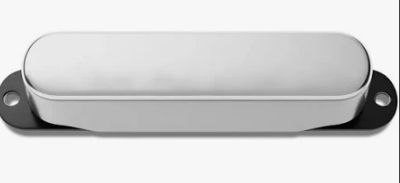
The Mythic Odyssey Solaris Tele Fat Neck SC pickup is designed for musicians looking to enhance their Telecaster's tonal depth, providing a fatter low-end and pronounced midrange. Hand-wound with precision in the USA, it offers a robust sound ideal for blues, rock, and various genre-blending styles. Its durable construction and careful material selection ensure reliable performance and clarity in every note.
View Product