
Unveiling the Differences: Boutique vs. Mass-Produced Guitars
· Wolf

Overview
Choosing between boutique and mass-produced guitars involves considering craftsmanship, tone, personalization, and budget. Boutique guitars offer superior craftsmanship and customizable options, making them ideal for serious musicians. Mass-produced guitars provide consistency, affordability, and are great for beginners. Ultimately, the choice depends on personal preference and playing style, with a balanced collection of both types enriching the musical experience.
Frequently Asked Questions
1. What are boutique guitars?
2. What advantages do boutique guitars offer?
3. How do mass-produced guitars differ from boutique guitars?
4. What should I consider when choosing between a boutique and a mass-produced guitar?
5. Do boutique guitars retain their value better than mass-produced guitars?
When it comes to choosing the perfect guitar, musicians often find themselves at a crossroads between boutique and mass-produced options. Each category has its unique traits that cater to different playing styles, sounds, and personal preferences. In this extensive guide, we will delve into the contrasts between boutique and mass-produced guitars, particularly focusing on craftsmanship, tone, and personalization.
The Craftsmanship Behind Boutique Guitars
Boutique guitars are crafted by small-scale manufacturers or individual luthiers who prioritize quality over quantity. This hands-on approach results in an instrument that often feels like a piece of art. The attention to detail in the making of boutique guitars is unmatched, providing players with instruments that are not only aesthetically pleasing but also sonically superior.
Materials and Construction Techniques
One of the main advantages of boutique guitars is the quality of materials used. Many boutique guitar manufacturers source rare, high-grade woods that offer better resonance and sustain. Commonly utilized woods include:
- Mahogany
- Spruce
- Maple
- Cedar
Furthermore, the construction techniques employed by these manufacturers, such as hand-carving and meticulous finishing, ensure that each guitar is perfectly suited for its intended sound. Such craftsmanship enhances the overall playing experience, making boutique guitars a favorite among serious musicians.
Mass-Produced Guitars: Consistency and Affordability
On the other hand, mass-produced guitars are altered to efficiently meet the demand of guitar players everywhere. Brands using automated processes can create instruments that deliver consistent quality, making them a reliable choice for beginners and seasoned players alike.
The Efficiency of Production
While mass-produced guitars may lack the bespoke craftsmanship found in boutique models, they offer several advantages, especially for those new to the world of guitars. The affordability and accessibility of mass-produced options allow aspiring musicians to acquire decent instruments without breaking the bank. Here are some points to consider:
- Lower price points make these guitars easily obtainable.
- A wide range of options available to fit different styles and skill levels.
- Consistent quality assurance across products, ensuring a level of reliability.
The Question of Tone
One of the most crucial factors musicians consider when purchasing a guitar is the tone. The tonal differences between boutique and mass-produced guitars can be quite pronounced.
Sound Quality of Boutique Guitars
Guitar pickups for blues rock sound lush and vibrant when paired with a boutique guitar. The unique tonal characteristics stem from the finer craftsmanship and high-quality wood selection that enhances resonance. These instruments often produce complex, rich sounds that players fall in love with. Musicians seeking depth and texture in their music often gravitate towards these models.
Mass-Produced Guitar Tone
Conversely, mass-produced guitars may focus more on consistency than complexity. While still offering decent sounds, players often find that the tonal nuances of boutique guitars set them apart. Mass-produced models can deliver great sound but may lack the richness that many players crave. Nevertheless, they remain a solid option, especially when paired with quality pedals and amplifiers to enhance the overall sound.
Personalization and Customization
When it comes to personalization, boutique guitars reign supreme. Many boutique guitar manufacturers offer extensive customization options to create an instrument that perfectly aligns with the player's needs. Here’s what you might find:
- Choice of woods and finishes
- Custom neck shapes and sizes
- Personalized fretboard inlays
- Custom-made pickups tailored for specific genres
This level of customization allows musicians to create a guitar that feels uniquely theirs, enhancing their playing experience significantly.
The Brand Legacy of Boutique and Mass-Produced Makers
Both boutique and mass-produced guitar manufacturers have built their reputations through different paths. Boutique brands often rely on the legacy of their craftsmanship, fostering a loyal following among serious musicians. Their marketing often emphasizes the artistry behind each guitar, showcasing the story of their manufacturers.
Mass-Produced Brands' Market Reach
In contrast, mass-produced guitar brands have a far-reaching presence, thanks largely to their affordability and availability in retail stores. They tend to become the go-to options for beginner players and even experienced musicians looking for reliable backup instruments.
Which Guitar is Right for You?
Choosing between a boutique and mass-produced guitar ultimately comes down to personal preference, playing style, and budget. Here are some factors to consider:
- Experience Level: If you're a beginner, a mass-produced guitar can help you hone your skills without significant financial investment.
- Playing Style: If you're focused on blues rock, the intricacies and tonal depth of a boutique guitar might intensify your musical expression.
- Budget: Consider your budget when making a decision. Boutique guitars are typically an investment, while mass-produced guitars are more affordable.
The Resale Value Dilemma
An interesting aspect of guitar purchasing is its resale value. Boutique guitars often retain their value better than mass-produced options. Their unique craftsmanship and limited availability helped to sustain a market demand, allowing them to command higher prices in resale situations.
However, mass-produced guitars can still be valuable, particularly if they are from popular brands. The knowledge of how to manage value retention can significantly influence purchasing decisions.
Building Your Dream Collection
For many guitar enthusiasts, building a collection of diverse guitars is part of the journey. A balanced mix of boutique and mass-produced guitars can offer variety in tone, playability, and aesthetics. Here’s how to approach your collection:
- Start with a reliable mass-produced guitar as your primary instrument.
- Curate a collection that includes at least one boutique guitar for richer tones and aesthetics.
- Experiment with different styles to discover what suits you best.
Wrapping It Up with Style
The debate between boutique versus mass-produced guitars is rich with nuances, and understanding these differences can help you make an informed choice. Both types have their merits, catering to various musical needs and preferences. Whether you’re in pursuit of exquisite craftsmanship and unparalleled tonal quality or seeking reliable affordability and consistent sound, options are plentiful. By exploring both worlds, you can find the perfect guitar that resonates with your individual style, ensuring a fulfilling musical journey.
Linked Product
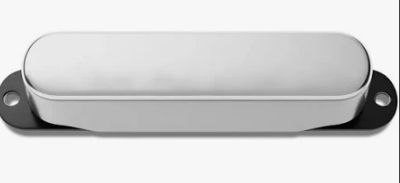
Mythic Odyssey Solaris Tele Fat Neck SC
The Mythic Odyssey Solaris Tele Fat Neck SC pickup is designed to enhance the low-end and midrange presence of your Telecaster, making it suitable for various musical styles, particularly blues and rock. Hand-wound in the USA, it features Alnico V magnets and a carefully crafted coil construction to ensure clarity and touch sensitivity while delivering a thicker tone. This pickup provides a reliable option for players looking to enrich their sound without losing articulation.
View Product