Navigating Guitar Pedals: Amplify Your Custom Sound
· Wolf
Overview
Explore the world of guitar pedals to enhance your sound, from overdrive and delay to modulation and filter effects. Learn about pedalboards, wiring, and the benefits of integrating digital effects. Quality components and regular maintenance are crucial for optimal performance. Experiment with different setups and join a community to inspire your musical journey.
Table of Contents
- Understanding Guitar Pedals
- Types of Guitar Pedals
- The Role of Pedalboards
- Choosing the Right Pedalboard
- Wiring and Power Management
- Experimenting with Effects
- Hybrid Solutions: Integrating Digital Effects
- Digital Pedal Advantages
- Finding Your Signature Sound
- The Importance of Quality Components
- Choosing the Right Cables
- Pedal Condition
- Enhancing Performance Through Setup and Maintenance
- Regular Cleaning
- Storage Solutions
- Diving Deeper: Exploring Best Practices
- Learn Basic Signal Flow
- Understanding EQ Settings
- Finding Community and Inspiration
- Your Next Steps to a Richer Sound Awaits
Key Takeaways
- Understand the Types of Pedals: Familiarize yourself with overdrive, distortion, volume, compressor, delay, reverb, modulation, filter, and wah pedals to enhance your sound.
- Assemble a Functional Pedalboard: Choose a pedalboard size based on the number of pedals and ensure proper wiring and power management for optimal sound quality.
- Experiment with Effects: Try different effects combinations and pedal orders to discover unique sounds that suit your musical style.
- Prioritize Quality Components: Invest in high-quality cables and inspect pedals regularly to maintain sound integrity and performance.
- Maintain Your Setup: Regularly clean your pedals and store them properly to prolong their lifespan and functionality.
- Learn Signal Flow: Understanding the correct order of effects can significantly impact your final sound.
- Engage with the Community: Join local music groups and online forums to gain inspiration and insights from fellow guitarists.
The world of guitar pedals is both exciting and overwhelming. For guitarists seeking to create their unique sound, pedals can serve as powerful tools. Whether you're playing an Ibanez miniature guitar or a full-sized electric that strikes your fancy, the right pedals can elevate your performance to unprecedented heights. In this article, we will delve into guitar pedals, explore their types, and discuss how they can enhance your sound, especially if you’re working with a boutique OEM guitar manufacturer to create a truly bespoke instrument.
Understanding Guitar Pedals
Guitar pedals, also known as effects pedals, are devices used to modify the sound of an electric guitar. They can create a variety of effects, from simple boosters to complex signal alterations. With countless options available, understanding their function and how they can work together is essential for any guitarist. Jazz players often prefer delay effects while rock musicians might lean towards distortion or overdrive. However, the beauty of pedals lies in their versatility. Let’s break down the key types of guitar pedals you’ll encounter.
Types of Guitar Pedals
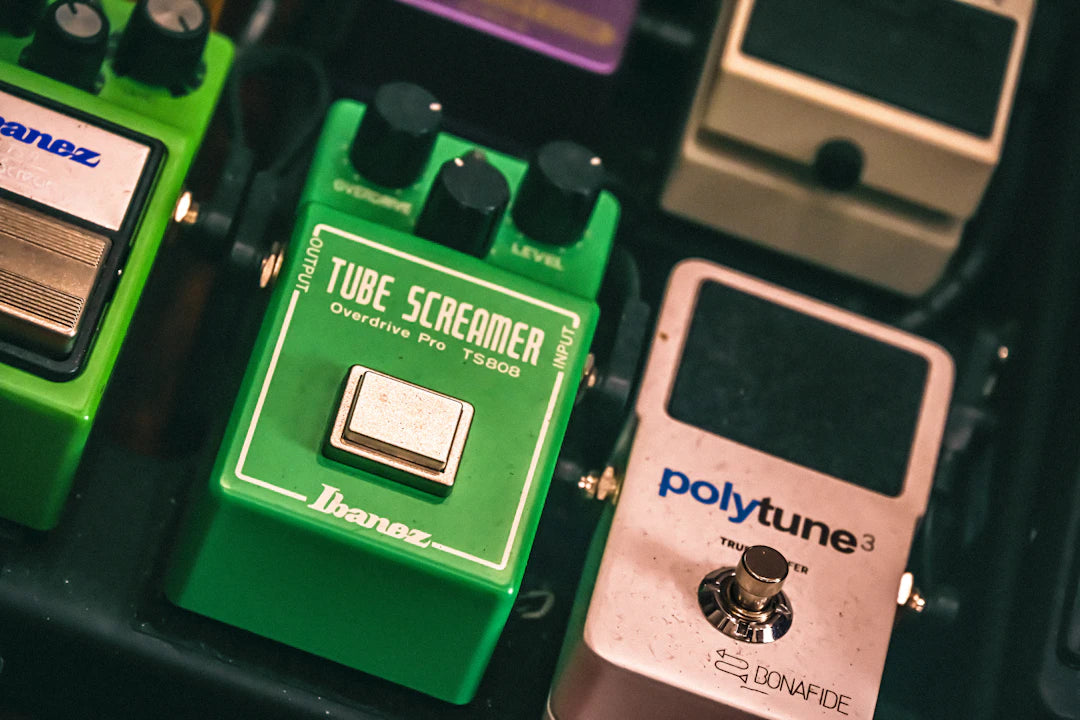
- Overdrive and Distortion Pedals: These pedals help achieve that gritty, saturated sound many rock and blues guitarists crave. Overdrive offers a warm, natural distortion, while distortion provides a more aggressive, heavy sound.
- Volume and Compressor Pedals: Volume pedals allow players to control their output, making it easier to create swells or fade-outs. Compressor pedals balance the sound by boosting softer signals and taming louder ones.
- Delay and Reverb Pedals: These create ambiance and depth in your sound. Delay repeats your signal at set intervals, while reverb simulates how sound behaves in various environments.
- Modulation Pedals: Includes effects such as chorus, phaser, and flanger. These pedals create a dimensional sound that can enrich your music, adding texture to solos and riffs.
- Filter and Wah Pedals: These are fantastic for adding tonal variety. Wah pedals offer expressive control over the tone, while filter pedals can shape the harmonic content in unique ways.
The Role of Pedalboards
Once you've selected the perfect pedals to enhance your sound, the next step is assembling your pedalboard. A pedalboard allows you to organize and connect multiple effects easily. This can greatly enhance your efficiency on stage or in the studio. Here are some tips for building your ideal pedalboard:
Choosing the Right Pedalboard
Your pedalboard size will depend on the number of pedals you intend to use. Consider a compact option if you're utilizing an Ibanez miniature guitar. Alternatively, a larger board will allow you to incorporate more effects with room for expansion.
Wiring and Power Management
Proper wiring ensures that you achieve the best sound quality. Invest in premium cables and a reliable power supply. Isolating the power sources for each pedal can prevent unwanted noise caused by interference. High-quality power supplies prevent hum and ensure each pedal performs optimally.
Experimenting with Effects
One of the exciting aspects of using guitar pedals is that they invite experimentation. Don’t hesitate to play around with different effects, order of pedals, and settings. Try unconventional combinations to uncover unique sounds. For instance, placing a delay after a distortion pedal can produce atmospheric textures that can transform your music.
Hybrid Solutions: Integrating Digital Effects
While physical guitar pedals remain popular, hybrid setups utilizing digital effects are growing. Such systems may include multi-effects processors capable of replicating a wide array of pedals all in one device. Here’s where you can find balance:
Digital Pedal Advantages
- Variety: Digital effects often contain numerous algorithms, simulating various traditional pedal sounds effectively.
- Convenience: They can save space and can be more cost-effective compared to multiple individual pedals.
- Software Integration: Many digital options can directly interface with DAWs, allowing seamless integration for recording.
Finding Your Signature Sound
Integration of both analog pedals and digital effects into your setup can be a game-changer. Take the time to discover what sounds resonate with your musical style. Consult with local musicians, attend workshops, or even engage with a boutique OEM guitar manufacturer to customize your gear. Tailoring your setup not only gives you a distinct sound but also enhances your overall playing experience.
The Importance of Quality Components
While it's essential to explore various pedals, the quality of components used in your setup is paramount. Be attentive to some critical factors such as:
Choosing the Right Cables
Using high-quality cables is integral to maintaining sound integrity across your setup. Poor quality cables can introduce noise, diminish tonal clarity, and result in signal loss. Investing in good cables ensures you receive the best sound quality possible.
Pedal Condition
Always inspect your pedals for wear and tear. Mechanical faults can affect sound performance negatively. If you're passionate about your equipment, consider using premium pedals or even exploring custom options from a boutique OEM guitar manufacturer.
Enhancing Performance Through Setup and Maintenance
Your performance has as much to do with your pedals as with your playing technique. Make sure you maintain your pedal setup consistently. Here are some essential practices:
Regular Cleaning
Dust and debris can hinder your pedals' performance. Regular cleaning will help maintain their longevity and functionality. Be cautious with how you clean—avoid using strong chemicals that could damage the surface finish.
Storage Solutions
After a gig or practice session, ensure that you store your pedals appropriately. A pedal case or bag will protect them from moisture and physical damage. A proactive approach to storing your equipment will ensure it lasts longer and maintains excellent condition.
Diving Deeper: Exploring Best Practices
Once you've established a solid foundation for your pedal setup, consider diving deeper into the world of effects. Here are a few best practices as you progress:
Learn Basic Signal Flow
Understanding signal flow helps you to set up your effects correctly. Generally, the order in which effects are connected can drastically influence the final sound. A standard order is:
- Tuner
- Compression
- Overdrive/Distortion
- Modulation (Chorus, Flanger, etc.)
- Delay
- Reverb
Understanding EQ Settings
Never underestimate the power of EQ (Equalization) in shaping your sound. Play around with these settings in conjunction with your pedals to achieve a silky smooth tone.
Finding Community and Inspiration
Engaging with a community of guitar enthusiasts can inspire creativity and growth. Consider joining local music groups, forums, or social media platforms where fellow musicians share experiences with different pedals and setups. This support network will not only keep you updated on trends but also keep you motivated in your music journey.
Your Next Steps to a Richer Sound Awaits
As you embark on your journey of customizing sound with guitar pedals, remember that experimentation is key. From choosing an Ibanez miniature guitar to collaborating with a boutique OEM guitar manufacturer, be open to discovering new horizons within your craft. Each pedal, each song, and each chord you play are stepping stones to defining your unique guitar identity. Capture the excitement and explore the vast landscape of sounds waiting to be unlocked! Create your legacy and let your sound shine!
Frequently Asked Questions
1. What are guitar pedals?
2. What types of guitar pedals are there?
3. What is the role of a pedalboard?
4. How can I maintain my guitar pedals?
5. What is the importance of quality components in pedal setups?
Glossary
| Term | Meaning |
|---|---|
| Guitar Pedals | Devices that modify the sound of an electric guitar. |
| Overdrive | A warm, natural distortion effect. |
| Distortion | A heavy, aggressive sound modification. |
| Compressor Pedals | Balance sound by boosting soft signals and taming loud ones. |
| Delay Pedals | Repeat sound signals at set intervals for ambiance. |
| Reverb Pedals | Simulate sound behavior in different environments. |
| Modulation Pedals | Includes effects like chorus and flanger for added texture. |
| Pedalboard | A platform to organize and connect multiple effects. |
| Signal Flow | The order in which effects are connected, affecting sound. |
| EQ Settings | Equalization settings that shape and enhance sound quality. |
Linked Product
JOE SATRIANI -Surfing With The Alien Replica Ibanez 1:4 Scale Guitar~Axe Heaven
The JOE SATRIANI - Surfing With The Alien Replica Ibanez 1:4 Scale Guitar by Axe Heaven is a beautifully handcrafted miniature model, perfect for display or as a collectible. At approximately 10.5 inches in length, it comes with an adjustable stand and is packaged in a gift box, making it an ideal gift for guitar enthusiasts. This replica is not playable but showcases authentic details and craftsmanship that highlight its quality.