
Learn Guitar Anatomy: Master Your Next Purchase
· Wolf
Overview
Guitar shopping can be overwhelming, especially for beginners. This guide outlines essential guitar anatomy, including the body, neck, electronics, strings, and hardware, to help you make informed choices. Key considerations include understanding different guitar types, testing before buying, and maintaining your instrument for optimal performance. Whether you're looking for a specific style or considering custom options, knowing these components will enhance your guitar-buying experience. Happy strumming!
Frequently Asked Questions
1. What key parts should I know about when shopping for a guitar?
2. How does the body type of a guitar affect its sound?
3. What are the different types of guitar pickups and their characteristics?
4. Why is the maintenance and care of a guitar important?
5. What should I consider before buying a guitar?
Guitar shopping can sometimes feel like a labyrinth of options and configurations, especially for beginners. Understanding the anatomy of a guitar is essential for making informed choices, whether you're a seasoned player or diving into the world of music for the first time. This guide aims to break down the critical components of a guitar, helping you to find the instrument that resonates with your style and needs.
The Guitar: An Overview
Guitars come in various shapes, sizes, and styles, but they generally consist of several key parts. Familiarizing yourself with guitar anatomy not only enhances your playing experience but also informs your purchasing decisions. It’s essential to know these parts to ensure you choose the right guitar for your musical journey.
The Body
The body of the guitar is often the most recognizable part. It is responsible for producing sound and contributes significantly to the guitar’s tone. Here are some important styles of guitar bodies:
- Solid body: A solid body guitar, like the famous Telecaster guitar pickup model, is known for its durability and ability to handle high volumes. These guitars are fantastic for genres that require distortion, such as rock and metal.
- Hollow body: Often favored by jazz musicians, hollow body guitars produce a warm, resonant sound. They have a unique tone that can enhance your playing in softer genres.
- Semi-hollow body: These guitars blend features from both solid and hollow body types. They provide a balance of warmth and sustain, making them versatile instruments.
The Neck
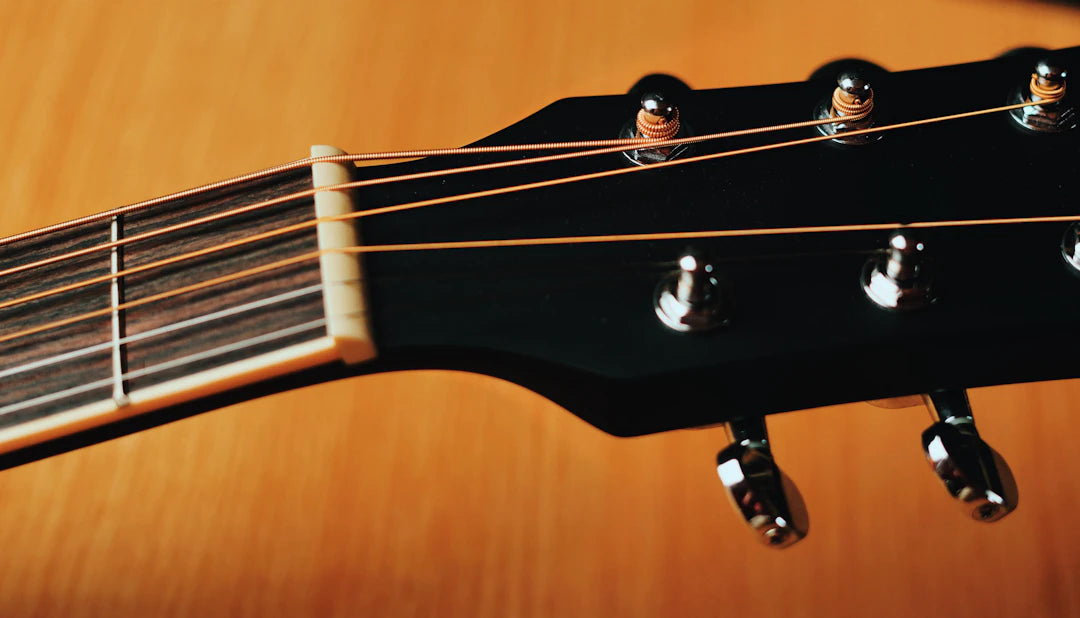
The neck of the guitar is where the player will spend a lot of time. Understanding the neck’s anatomy is vital, as it impacts playability and overall comfort.
- Fretboard: The fretboard is where you press down on the strings to produce different notes. It’s usually made of rosewood or maple, and the material can affect the feel and sound of the guitar.
- Frets: These are metal strips embedded in the fretboard. They help to divide the neck into different pitches and notes. Some players prefer guitars with more frets to achieve a wider range of notes.
- Nut: Located at the top of the neck, the nut acts as a bridge between the neck and the tuning pegs. It guides the strings in place as they travel toward the tuners.
Electronics and Sound
Understanding the electronics of your guitar is crucial, especially if you plan to customize or modify your instrument. Each component plays a role in shaping your sound.
Pickups
Pickups convert the vibration of the strings into an electrical signal, allowing the guitar to be amplified. Here are a few types of pickups:
- Single-coil pickups: Often found in guitars like the Telecaster, these pickups produce a bright, clear tone. They are well-suited for blues, country, and rock.
- Humbucker pickups: These are designed to eliminate noise and hum that can occur in single-coil pickups. They offer a thicker, warmer tone and are great for harder rock styles.
- Active pickups: These pickups use a battery to produce a higher output, making them suitable for modern music styles. They are often preferred by metal players for their versatility.
Controls
Guitar controls typically include volume and tone knobs and a pickup selector switch. Understanding how these controls work helps you fine-tune your sound to match your style.
- Volume knob: This allows you to adjust the output of your guitar. It’s essential for controlling the dynamics of your performance.
- Tone knob: This allows you to modulate the treble and bass frequencies, helping you shape your overall sound.
- Pickup selector: This switch lets you select which pickup is in use, giving you the ability to change your tone dynamically while playing.
Strings: The Lifelines of Music
Don’t underestimate the role of guitar strings! They come in several materials and gauges, affecting everything from tone to playability.
Types of Strings
- Nickel-plated steel: Commonly found on electric guitars, these strings offer balanced sound and durability.
- Pure nickel: These provide a warmer tone and are often favored for vintage sounds.
- Bronze and brass: Typically used on acoustic guitars, these materials help to generate bright sounds ideal for strumming.
Choosing the Right Gauge
String gauge, or thickness, can significantly alter your playing experience. Here are some considerations:
- Light gauge: Easier to fret and bend, light gauge strings are ideal for beginners.
- Medium gauge: A balanced option, medium gauge strings offer durability and a fuller sound.
- Heavy gauge: Preferred by advanced players, heavy gauge strings create a richer tone but require more finger strength.
The Importance of Hardware
Guitar hardware may seem minor, but it plays a pivotal role in performance and stability.
Tuning Machines
The tuning machines, or tuners, hold the strings in place and play a crucial role in tuning stability. When buying, look for:
- Quality materials: Metal gears generally provide the best long-term performance.
- Ratio: Higher gear ratios allow for more precise tuning adjustments.
Bridge
The bridge connects the strings to the body of the guitar and impacts the instrument's sustain and tone. Different types include:
- Fixed bridge: Known for stability and ease of tuning, fixed bridges are popular among players seeking reliability.
- Floating bridge: Allows for whammy bar use for pitch effects but may require more tuning maintenance.
Craftsmanship and Quality
The level of craftsmanship plays an essential role in the overall quality of a guitar. Look out for:
- Finish: A smooth, high-quality finish indicates good craftsmanship and contributes to the guitar’s aesthetics and durability.
- Joinery: Check the seams and joints for consistency to ensure your guitar will last over time.
- Setup: A well-set-up guitar is easier to play and can significantly enhance your playing experience.
Buying Your Dream Guitar
When you're in the market for a new guitar, having prior knowledge can be your best ally. Here are some steps to follow to make a compelling purchase:
Research
Arm yourself with information about the different types of guitars available. Consider your playing style, budget, and the kind of music you wish to create. When browsing online or in-store, take note of guitar construction, materials, and hardware specifications.
Test Before You Buy
If possible, spend time playing various models before making a decision. Pay attention to feel, weight, and comfort. Don’t shy away from asking for help from store staff if you're confused or undecided.
Consider Ghost Building Guitars for Brands
An interesting option for those looking for something unique is the concept of ghost building guitars for brands. Custom builders often provide artisanal craftsmanship in creating guitars specifically tailored to a brand's unique vision. This can open avenues for individuality and truly unique soundscapes.
Ongoing Maintenance & Care
Your guitar is a delicate instrument that requires ongoing care to ensure it remains in peak playing condition. Maintenance is crucial!
Regular Cleaning
Keep your guitar clean to maintain its appearance and functionality. Use a soft cloth to wipe down the body and strings after each session. Remove any dust or dirt that accumulates over time. For deeper cleaning, consider using specialized guitar cleaners.
String Changes
Changing strings regularly is vital for tonal quality. The frequency at which you replace them will depend on how often you play. Players who practice daily might need to change strings weekly, while those who play less frequently might extend it to a month.
Environmental Considerations
Temperature and humidity can significantly affect the wood of your guitar. Store it in a controlled environment to avoid warping or cracking. A guitar case is essential, providing protection from dust, falls, and potential moisture damage.
Now You’re Ready to Rock!
With your newfound understanding of guitar anatomy and its components, you're well-equipped to make informed decisions in your guitar-buying journey. Remember to explore various styles, consider the components that best suit your needs, and prioritize quality craftsmanship. Whether you're looking for a stunning Telecaster guitar pickup or considering ghost building guitars for brands, the right instrument is out there waiting for you. Happy strumming!
Linked Product
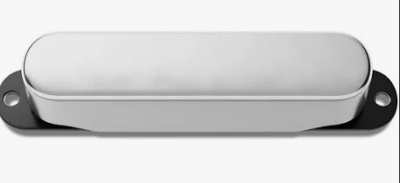
Mythic Odyssey Solstice Tele Neck SC
The Mythic Odyssey Solstice Tele Neck SC is designed for musicians seeking a classic Telecaster tone with modern reliability. Its hand-wound construction and use of Alnico V magnets ensure a warm, articulate sound, making it suitable for a variety of genres including country, blues, and Americana. With its emphasis on harmonic complexity and clarity, this pickup allows players to achieve a rich tonal palette while maintaining consistent performance.
View Product