
The Art of Crafting Boutique Guitars from Scratch
· Wolf
Overview
Creating boutique guitars involves a blend of inspiration, material selection, precise design, and meticulous construction. Key elements include choosing woods for the body, neck, and fretboard, designing for sound and playability, and fine-tuning electronics. The building process requires careful attention to detail, from shaping the body and neck to finishing touches like staining and setup. Testing and branding are essential before the final product is shared with the music community. Building these instruments is an ongoing journey of growth and connection with musicians, emphasizing craftsmanship and unique sound.
Table of Contents
- The Initial Inspiration
- Choosing the Right Materials
- Body Woods
- Neck Woods
- Fretboards
- Designing the Guitar
- Shape and Size
- Electronics
- Building the Guitar
- Body Construction
- Neck Construction
- Finishing Touches
- Staining and Sealing
- Setup and Tuning
- Tuning the Sound
- Testing the Guitar
- The Final Package
- Branding
- Packaging
- Sharing the Final Creation
- An Ongoing Journey
- Becoming Part of the Music Community
- The Follow-Up
- Your Own Guitar Journey Awaits
Key Takeaways
- Initial Inspiration: Every boutique guitar begins with a clear vision influenced by vintage instruments, modern technology, or specific musical styles.
- Material Selection: The choice of woods, such as Alder for warmth or Maple for resonance, significantly affects the guitar's tone and durability.
- Design Considerations: Guitar shape, size, and electronic components must be carefully designed to enhance comfort, sound quality, and playability.
- Building Process: Precision is key in body and neck construction, ensuring structural integrity and optimal playability through meticulous shaping and fitting.
- Finishing Touches: Staining, sealing, and setup are essential for visual appeal and performance, tailoring the guitar to the musician's preferences.
- Testing and Feedback: Rigorous testing ensures quality, allowing builders to make adjustments based on sound and playability before finalizing the instrument.
- Community Engagement: Building relationships with musicians and gathering feedback post-sale fosters loyalty and enhances the builder's reputation within the music community.
Creating boutique guitars is a journey that combines passion, precision, and artistry. Each instrument is a labor of love, designed to produce a unique sound and feel that resonates with musicians. In this article, we will explore the intricate process of crafting boutique guitars from scratch, focusing on essential elements such as selecting materials, designing the instrument, and the detailed building process. We’ll also delve into the significance of a chambered semi hollow body in enhancing sound quality and playability.
The Initial Inspiration
Every great guitar begins with inspiration. This inspiration can stem from various sources, including vintage instruments, modern technological advancements, or even specific musical genres. Understanding the musician's needs is pivotal in shaping the guitar's overall design. A custom guitar neck and body builder must have a clear vision of the desired sound, aesthetic, and playability before embarking on the creation process.
Choosing the Right Materials
The materials used in guitar making significantly affect the instrument's tone and durability. Here are some key components to consider:
Body Woods
The body wood plays a crucial role in the sound quality of the guitar. Softwoods like Alder and Mahogany are popular choices for solid body guitars due to their warm tones. For semi-hollow designs, hardwoods like Maple are often selected for their resonance and sustain, especially in a chambered semi hollow body which enhances tonal depth and allows for a unique sound profile.
Neck Woods
The neck of a guitar affects playability and comfort. Maple and Mahogany are standard picks, each offering different tonal characteristics. A quality neck should provide stability and a smooth playing experience, making it essential to choose the right wood for the custom guitar neck and body builder.
Fretboards
The choice of fretboard material also impacts the sound and feel of the instrument. Rosewood and Maple are both favored for their unique attributes. Rosewood offers a warmer tone and a softer feel, while Maple tends to produce a brighter sound with a snappier response.
Designing the Guitar
Once the materials are selected, the design phase begins. This step involves several considerations:
Shape and Size
Guitar shape affects both comfort and sound. The body shape can influence how the guitar resonates. For example, a chambered semi hollow body not only adds a stylish aesthetic but also contributes to the overall acoustic properties by allowing for a balance between solid body sustain and hollow body warmth.
Electronics
The choice of pickups and wiring is essential for producing the desired tone. Depending on the musician's style, options can range from single coils for brighter tones to humbuckers for a thicker, heavier sound. Designing the electronics layout requires a keen understanding of how various components interact with each other and the overall tonal output.
Building the Guitar
With a solid design in hand, the actual building process can commence. Each step must be executed with precision to ensure the highest quality instrument.
Body Construction
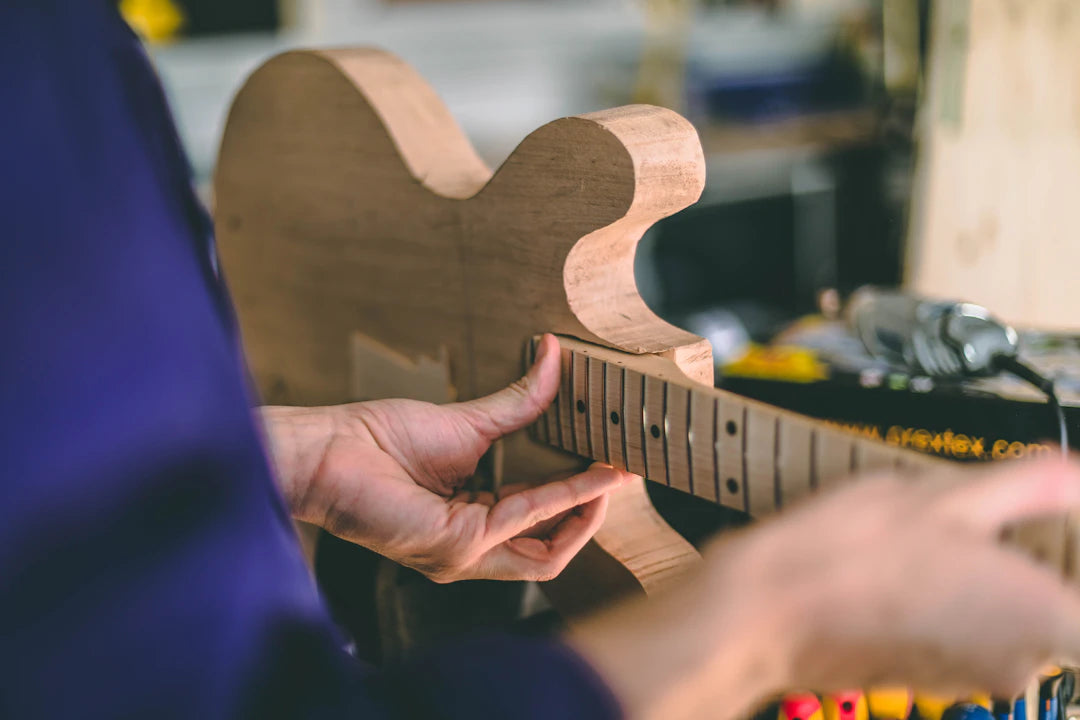
The first physical step in creating the guitar is cutting the body shape from the chosen wood. This requires a band saw for rough cuts, followed by various sanding techniques to achieve the smoothness and contours desired. For those building a chambered semi hollow body, the artist will hollow out specific areas to enhance resonance. Creating chambers will also require careful measurement and attention to detail to guarantee structural integrity.
Neck Construction
Once the body is ready, attention turns to crafting the neck. This stage involves shaping the neck to the desired profile and installing the fretboard. Slots for the frets are meticulously carved, followed by precise installation to ensure each fret is flush and aligned. The neck must be properly fitted to the body, ensuring a clean joint that allows for optimal playability.
Finishing Touches
With the body and neck assembled, it's time to finish the guitar. This process can include:
Staining and Sealing
The visual appeal of a guitar is just as significant as its sound. Stains are applied to enhance the grain of the wood, while clear coats protect the finish and add shine. Popular types of finishes include lacquer, polyurethane, and oil, each offering different aesthetic and protection qualities.
Setup and Tuning
Once the finish dries, the guitar is set up for optimal performance. This includes adjusting the action, intonation, and neck relief. A custom guitar neck and body builder will ensure that each aspect is tailored to the musician's preferences so that the guitar plays effortlessly.
Tuning the Sound
Tuning is another significant step in the creation of a boutique guitar. Achieving the perfect tone involves a fine balance between all components—from wood types to electronics. In many cases, it may require several iterations of adjustments to get everything perfect. This is where expertise comes into play, as each guitar builder develops an ear for nuances throughout the tuning process.
Testing the Guitar
Before the guitar is declared complete, it goes through a rigorous testing process. This step is essential to ensure reliability and quality. Here, the builder evaluates the instrument based on sound, playability, and responsiveness. It’s also an opportunity to gather feedback from musicians, which may lead to additional fine-tuning or adjustments.
The Final Package
Once the guitar has passed all tests, it is time for the final touches before it reaches its new owner. This can include:
Branding
Each boutique guitar maker has a distinct look or logo that represents their brand. Applying branding not only personalizes the instrument but also enhances its reputation and collectibility. Many builders opt for tasteful engraving or inlay work to leave a mark of artistry on their creations.
Packaging
How a guitar is presented can significantly impact a buyer's experience. Carefully packaging the instrument with a well-designed case not only protects the guitar but also elevates the perceived value. A custom guitar neck and body builder understands the importance of leaving a lasting impression.
Sharing the Final Creation
After completing the masterpiece, it's time to celebrate by showcasing the new creation. This may involve sharing high-quality images and sound clips on social media, creating promotional videos, or even hosting release events. Engaging with the musician community through these platforms helps to create a buzz around the newly crafted guitars.
An Ongoing Journey
Building boutique guitars is not merely about producing instruments; it's about an ongoing journey of learning and growth. With every creation, builders develop new techniques, explore unique materials, and accommodate the evolving preferences of musicians. This constant evolution keeps the craft fresh and exciting.
Becoming Part of the Music Community
As a custom guitar neck and body builder, forming connections with musicians is invaluable. Engaging with players at shows, workshops, and galleries can help builders stay informed about the latest trends while also gathering insights on what musicians value in their instruments. Establishing a reputation within the music community is essential, as word-of-mouth can greatly influence a boutique guitar builder's success.
The Follow-Up
After an instrument is sold, the journey doesn't necessarily end. Following up with customers allows builders to gather valuable feedback, which can be instrumental in future design and construction choices. This relationship can transform a one-time customer into a loyal advocate for the brand, providing referrals and recommendations that can profoundly impact a boutique guitar builder's reputation.
Your Own Guitar Journey Awaits
The craftsmanship involved in creating boutique guitars from scratch is remarkable, blending artistry and science to produce unique instruments that resonate with musicians on personal levels. As you embark on your own guitar journey, whether you're a builder or a player, embrace the process, celebrate the craft, and most importantly, continue to explore the depth of sound that these remarkable instruments offer. With every strum, every note played, the legacy of music continues to inspire generations to come.
Frequently Asked Questions
1. What is the process of creating boutique guitars?
2. What materials are important in boutique guitar construction?
3. What role does a chambered semi hollow body play in a guitar's sound?
4. How do builders test boutique guitars before they are sold?
5. Why is it important for builders to connect with the music community?
Glossary
| Term | Meaning |
|---|---|
| Boutique Guitars | High-quality, handcrafted guitars designed for unique sound and aesthetics. |
| Chambered Semi Hollow Body | A guitar body design that enhances resonance and tonal depth. |
| Body Woods | Types of wood used for the guitar body, affecting tone and durability. |
| Neck Woods | Wood types used for the neck, influencing playability and sound. |
| Fretboards | The surface where notes are played, made from various materials. |
| Electronics | Components like pickups and wiring that shape the guitar's tone. |
| Setup and Tuning | The process of adjusting the guitar for optimal playability and sound. |
| Branding | Personalized logos or designs that represent the guitar maker. |
| Testing | Evaluating the guitar's sound, playability, and overall quality. |
| Ongoing Journey | The continuous learning and improvement process in guitar making. |
Linked Product
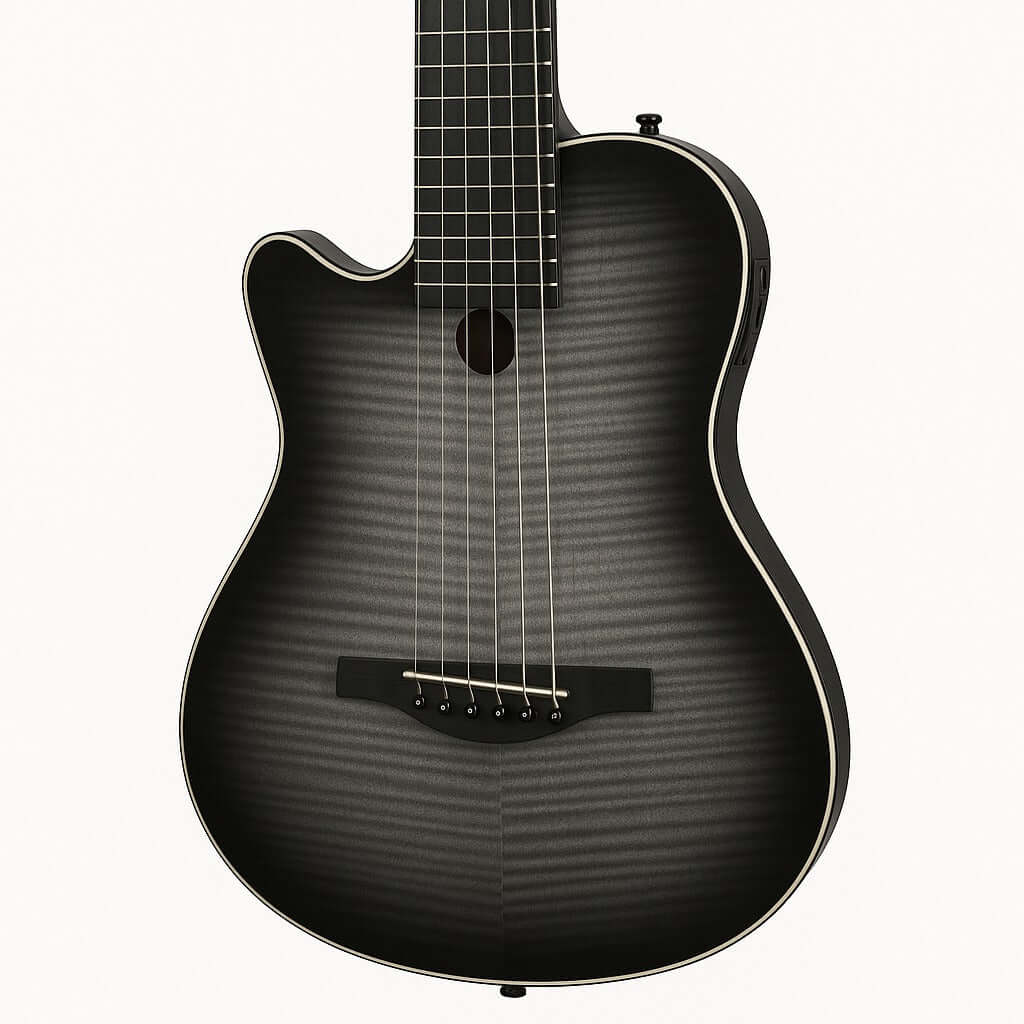
Mythic Phantom ES2 Electric Guitar – Chambered Semi Hollow Body – Flame Maple Top – USA Built
The Mythic Phantom ES2 Electric Guitar features a thinline chambered body and a flame maple top, providing a blend of acoustic warmth and electric clarity. Its professional-grade expression system allows for versatile tone shaping, making it suitable for various playing styles, from rhythm to lead. Built to order in the USA, this guitar combines premium materials and craftsmanship for a balanced tonal experience.
View Product