
Behind the Scenes at a Boutique Guitar Factory
· Wolf
Overview
Explore the intricate process of crafting boutique guitars, from selecting quality materials to precision handcrafting, electronic setup, and personalized finishes. Each instrument represents a unique blend of artistry and craftsmanship, ensuring top-notch sound and aesthetic appeal. Learn how these guitars are meticulously tested before shipping and discover the rewarding experience of visiting a boutique factory to see the craftsmanship firsthand.
Frequently Asked Questions
1. What materials are commonly used in boutique guitar manufacturing?
2. How is the craftsmanship of boutique guitars different from mass-produced guitars?
3. What role do electronics play in a guitar's sound?
4. What customization options are available for boutique guitars?
5. What is the quality control process for boutique guitars?
When you think of a guitar, what comes to mind? The iconic sound, the craftsmanship, perhaps the thrill of playing one that resonates perfectly with your musical style? But what happens behind the scenes before that guitar gets into your hands? Welcome to a day in the life of a boutique guitar factory, where every note is a labor of love and innovation. From Telecaster pickups to professional ghost builder guitars, each element makes the whole experience unique. Let’s dive into the craftsmanship and dedication that goes into creating these exceptional instruments.
The Journey Begins: Selecting the Right Materials
Every great guitar starts with high-quality materials. The selection of wood, in particular, is a critical step in the manufacturing process. Each type of wood brings unique tonal properties to the instrument. Mahogany, for instance, is favored for its warm sound, while maple is known for its bright, cutting tones. Here’s a quick look at commonly used woods in boutique guitar manufacturing:
- Mahogany: Often used for the body and neck for its rich warmth.
- Maple: Known for its bright sound, usually chosen for tops or necks.
- Rosewood: Commonly used for fretboards; it adds an airy quality to the guitar's voice.
- Spruce: Light and resonant, often used for the tops of acoustic guitars.
Once the perfect piece of wood is chosen, it’s time for the artisan craftspeople to get to work, paying attention to every single detail.
Precision Craftsmanship: Handcrafting the Guitar
Shaping the Body
The body of the guitar is the heart of its sound. Craftspeople begin by cutting the wood to create the basic shape. Whether it’s a classic Telecaster or a more modern design, the unique contours are essential. The process typically involves several stages, including routing the raw material and sanding it down to perfection.
Fretwork and Neck Construction
The neck of the guitar is where the magic happens – it’s where you place your fingers to create beautiful melodies. Commissioners of professional ghost builder guitars emphasize precision in fretwork. This includes:
- Shaping the Neck: Carving out the neck to fit comfortably in the hands of the player.
- Installing Frets: Placing each fret in its designated spot with meticulous care to ensure accurate intonation.
- Sanding and Finishing: Polishing the neck allows for smooth transitions between notes.
This meticulous approach is what separates a boutique guitar from mass-produced counterparts.
Electronics: The Heartbeat of the Sound
When it comes to a guitar's sound, electronics play a crucial role. Telecaster pickups, for example, are known for their clarity and twang, making them a favorite among country and rock musicians alike. During the manufacturing process, pickups are carefully selected and installed to maximize the guitar's tonal qualities.
Wiring and Assembly
After installing the pickups, wiring is done to connect the electronics. Each connection must be flawless to ensure that every strum and pluck is transmitted clearly. Audiophile enthusiasts can appreciate how the type of wiring and even jack selection can affect the sound. Here’s a brief breakdown of the typical wiring process:
- Installing the Pots: These control the tone and volume, crucial for personalizing sound.
- Wiring the Pickups: This connects the pickups to the pots for electrical output.
- Testing: Each guitar goes through a testing phase to check the function and sound of the electronics.
Understanding this part of the craftsmanship can deepen your appreciation for the artistry behind every instrument.
Finishing Touches: The Aesthetic Appeal
Once the technological side is complete, it’s time to think about aesthetics. A guitar's finish isn’t just a pretty coat; it serves to protect the wood and enhance its natural beauty. Artisans often choose finishes that allow the wood to breathe while showcasing the unique grain patterns. Popular finishes include:
- Gloss: Provides a shiny look but may be slippery.
- Satin: Gives a soft, natural feel.
- Translucent: Allows the underlying wood grain to show through.
Personalizing the Guitar
Many boutique guitar makers offer customization options. Buyers can select specific finishes, inlays, and hardware that reflect their personal style. This level of customization is what attracts musicians to boutique brands, making each guitar a unique piece of art that speaks to the player's individual sound and story.
Quality Control: Ensuring Perfection
After the guitars have been assembled and finished, they undergo a rigorous quality control process. Each guitar is played and evaluated to ensure it meets the high standards set by boutique manufacturers. Common checks include:
- Tonal Testing: Each instrument is played for sound quality.
- Finish Inspection: Entering the final stretch, the finish is checked for any imperfections.
- Action Setup: String action is adjusted to suit different playing styles, ensuring every player feels comfortable.
This stringent quality assurance process is essential in guaranteeing top-notch craftsmanship and sound quality.
Shipping to You: The Big Reveal
Once the guitars pass their final inspection, they are carefully packaged for shipment. Great care is taken to ensure that each instrument arrives safely at its new home. In boutique guitar factories, the shipping process is also significant because it completes the journey that started with choosing the right wood. Here’s what typically happens:
- Added Protection: Each guitar is padded and secured to prevent damage during transportation.
- Personal Touch: Some manufacturers include a handwritten note that thanks the buyer, making the experience even more memorable.
- Tracking: Buyers receive tracking information, allowing them to anticipate the arrival of their new prized possession.
This level of care enhances the customer experience, making each purchase feel special.
Experiencing the Art of Guitar-Making Yourself
If you're intrigued by the world of boutique guitars, you might consider visiting one of these manufacturing facilities. Many boutique guitar makers offer tours where you can see the process firsthand, speak with the builders, and even play some models. Here are a few reasons why this could be a rewarding experience:
- Understanding Craftsmanship: You'll gain insights into the dedication and skills required to create a stunning guitar.
- Hands-On Opportunity: Some factories let visitors participate in basic building tasks, providing a unique view of the crafting process.
- Meet Fellow Enthusiasts: Connecting with others who share your passion for music and guitars can be rewarding.
Visiting a boutique guitar factory can deepen your appreciation for these instruments and the stories behind them.
Ready to Find Your Dream Guitar?
Every boutique guitar embodies a rich narrative of craftsmanship, artistry, and passion. Whether you're drawn to the timeless sound of Telecaster pickups or the innovative designs of professional ghost builder guitars, there’s a world of unique instruments just waiting to be discovered. By learning about the manufacturing process, you can make an informed decision when choosing your next guitar. Remember, every strum on your favorite guitar is a connection to the artisans who lovingly crafted it. So, are you ready to find the perfect match for your musical journey? Visit us at Mythic Guitars and explore our collection today!
Linked Product
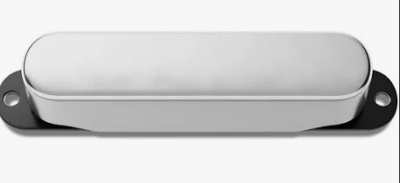
Mythic Odyssey Solstice Tele Neck SC
The Mythic Odyssey Solstice Tele Neck SC is designed for musicians seeking a classic Telecaster sound with contemporary reliability. Its hand-wound construction and Alnico V magnets ensure a warm, articulate tone, making it suitable for various genres like country, blues, and Americana. This pickup's attention to detail enhances harmonic complexity, providing a rich tonal palette for guitarists.
View Product